Construction Risks Bali: Essential Buyer Protection Guide
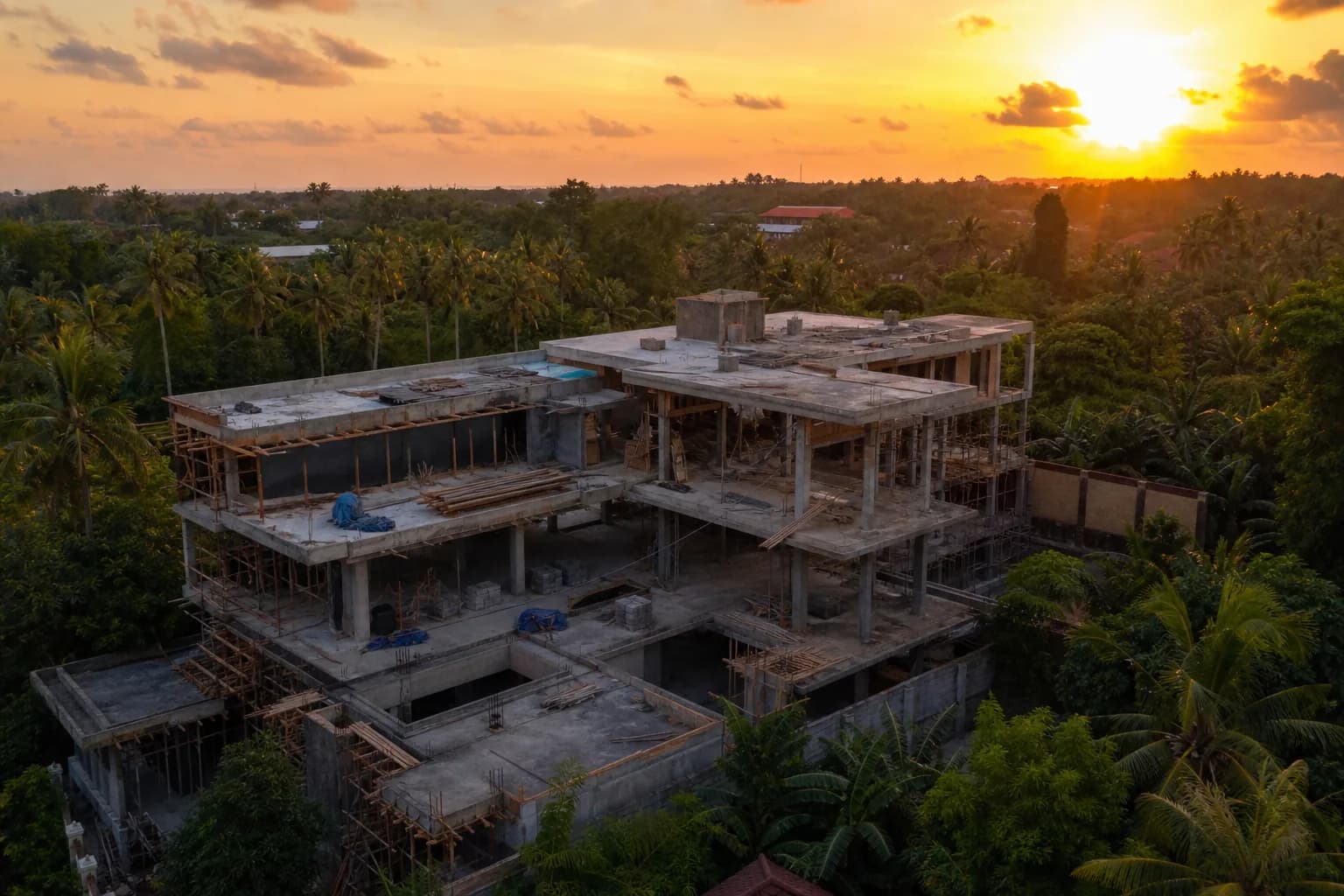
# Risk Management and Buyer Protection in Bali Construction: A Comprehensive Guide
Understanding Construction Risks in Bali’s Dynamic Property Market
The Bali construction landscape presents unique opportunities and challenges for property investors and homeowners. As the island continues to attract international attention for its lifestyle appeal and investment potential, understanding construction risks in Bali has become paramount for anyone considering a building project or property purchase. The tropical environment, regulatory framework, and local construction practices create a distinct risk profile that requires careful navigation and comprehensive protection strategies.
Construction projects in Bali face multifaceted challenges ranging from environmental factors to legal complexities. The island’s humid climate, seismic activity, and seasonal weather patterns introduce technical considerations that differ significantly from temperate regions. Additionally, the intersection of traditional Indonesian building practices with modern construction standards creates a landscape where due diligence and risk mitigation become critical success factors.
For prospective buyers and investors, the stakes are substantial. Construction projects represent significant capital commitments, and the consequences of inadequate risk management can range from project delays and cost overruns to complete financial loss. This comprehensive guide examines the essential aspects of construction risk management and buyer protection in Bali, providing actionable insights for making informed decisions in this dynamic market.
Primary Construction Risks in the Bali Market
Developer Performance and Financial Stability
One of the most significant construction risks in Bali involves developer reliability and financial capacity. The market includes a wide spectrum of developers, from established companies with proven track records to newer entrants with limited experience. Developer insolvency, project abandonment, or inability to complete construction according to specifications represents a primary concern for buyers investing in off-plan properties or commissioning custom builds.
The financial structure of construction projects in Bali often involves staged payments, where buyers contribute funds throughout the construction process. This payment structure exposes buyers to risk if the developer encounters financial difficulties, mismanages funds, or fails to allocate payments appropriately to contractors and suppliers. Without adequate safeguards, buyers may find themselves with partially completed properties and depleted investment capital.
Developer track records vary considerably in the Bali market. Established developers typically demonstrate consistent delivery quality, adherence to timelines, and professional project management. However, the market’s growth has attracted operators with insufficient experience, inadequate capitalization, or questionable business practices. Distinguishing between reliable and problematic developers requires thorough investigation and verification of past performance.
Construction Quality and Standards Compliance
Construction quality represents another critical risk dimension in Bali’s building sector. The island’s construction industry encompasses diverse skill levels, material quality variations, and differing interpretations of building standards. Projects may suffer from substandard workmanship, inappropriate material selection, or inadequate attention to structural integrity and building systems.
The tropical environment places particular demands on construction quality. High humidity, salt air in coastal areas, intense UV exposure, and heavy rainfall during monsoon seasons require specific material selections and construction techniques. Inadequate waterproofing, poor drainage design, or use of materials unsuitable for tropical conditions can lead to premature deterioration, structural problems, and costly remediation requirements.
Building code compliance presents additional complexity. While Indonesia has established building regulations, enforcement consistency varies, and interpretation of standards may differ across jurisdictions and inspectors. Projects that fail to meet appropriate structural, electrical, or plumbing standards create safety hazards and potential legal liabilities for property owners.
Legal and Regulatory Compliance Risks
The legal framework governing construction in Bali introduces specific risks that require careful management. Foreign ownership restrictions, land title complexities, and permit requirements create a regulatory environment where non-compliance can result in serious consequences, including property seizure, fines, or inability to complete construction.
Permit acquisition represents a critical compliance requirement. Construction projects require various approvals, including building permits (IMB – Izin Mendirikan Bangunan), environmental clearances, and potentially tourism-related licenses for commercial properties. Failure to obtain proper permits before commencing construction can result in stop-work orders, demolition requirements, or inability to obtain utility connections.
Land title verification constitutes another essential legal consideration. Indonesia’s land title system includes several categories with different ownership rights and restrictions. Ensuring clear title, verifying ownership chains, and confirming that land use designations permit intended construction activities are fundamental steps in risk mitigation. Properties built on improperly titled land or in violation of zoning regulations face potential legal challenges that can render investments worthless.
Environmental and Site-Specific Risks
Bali’s geological and environmental characteristics introduce construction risks that require specialized assessment and mitigation strategies. The island’s volcanic geology, seismic activity, and varied topography create site-specific challenges that impact foundation design, structural requirements, and long-term building performance.
Soil conditions vary significantly across Bali, from stable volcanic rock to expansive clays and loose sandy soils. Inadequate geotechnical investigation can lead to foundation failures, settlement problems, or structural instability. Coastal properties face additional challenges from groundwater salinity, tidal influences, and potential erosion, requiring specialized foundation systems and construction techniques.
Flood risk represents a growing concern in many areas of Bali. Rapid development, inadequate drainage infrastructure, and changing rainfall patterns have increased flooding frequency in certain locations. Properties built in flood-prone areas without appropriate elevation, drainage design, or flood protection measures face recurring damage risks and potential uninhabitability during wet seasons.
Comprehensive Buyer Protection Strategies
Purchasing Completed Units: Transferring Build Risk
One of the most effective strategies for mitigating construction risks in Bali involves purchasing completed units rather than buying off-plan or commissioning new construction. This approach fundamentally transfers build risk from the buyer to the developer, as the completed property can be inspected, evaluated, and verified before purchase commitment.
Completed unit purchases allow buyers to assess actual construction quality rather than relying on promises, renderings, or sample finishes. Physical inspection reveals workmanship standards, material quality, and functional performance of building systems. Buyers can identify potential defects, verify that specifications match marketing representations, and evaluate how the property has performed under actual use conditions.
This strategy eliminates several major risk categories inherent in off-plan purchases. Buyers avoid exposure to construction delays, cost escalations, developer insolvency during the build phase, and the possibility that completed properties fail to match expectations set during the sales process. The completed property represents a known quantity, allowing for more accurate valuation and informed purchase decisions.
However, purchasing completed units requires accepting the developer’s design choices, finishes, and specifications. Customization opportunities are limited compared to commissioning new construction. Additionally, the best-located or most desirable properties may sell during pre-construction phases, potentially limiting inventory available as completed units. Buyers must balance risk mitigation benefits against reduced customization flexibility and potentially higher purchase prices for completed properties.
Developer Due Diligence: Verifying Track Records and Capabilities
Thorough developer due diligence represents a cornerstone of construction risk management in Bali. Comprehensive investigation of developer backgrounds, financial stability, and performance history provides essential information for assessing project viability and developer reliability.
Track record verification should examine multiple completed projects, ideally including site visits to assess construction quality, finish standards, and long-term performance. Speaking with previous buyers provides valuable insights into developer responsiveness, warranty fulfillment, and problem resolution. Patterns of satisfied customers and well-maintained properties indicate reliable operations, while complaints about defects, delays, or unresponsive management suggest potential problems.
Financial stability assessment involves reviewing developer capitalization, funding sources, and financial management practices. Well-capitalized developers with diversified funding sources demonstrate greater resilience to market fluctuations and project challenges. Understanding whether projects are self-funded, bank-financed, or rely primarily on buyer deposits reveals financial risk profiles. Developers heavily dependent on buyer deposits face greater insolvency risk if sales slow or construction costs exceed projections.
Professional credentials and organizational structure provide additional evaluation criteria. Developers employing qualified architects, engineers, and construction managers demonstrate commitment to professional standards. Membership in industry associations, professional certifications, and established business registrations indicate legitimate operations. Conversely, developers lacking professional credentials, operating through unclear corporate structures, or unwilling to provide verification documentation warrant heightened scrutiny.
Construction Insurance: Comprehensive Coverage Solutions
Construction insurance represents a critical protection mechanism that extends well beyond basic site coverage. Comprehensive construction insurance policies in Bali can cover materials, equipment, third-party liability, and various project-specific risks, providing financial protection against numerous potential loss scenarios.
Modern construction insurance policies available in the Bali market offer multi-faceted coverage addressing diverse risk categories. Material coverage protects against theft, damage, or loss of construction materials both on-site and during transportation. Equipment coverage addresses damage to construction machinery, tools, and temporary installations. These provisions protect against common risks in construction environments where valuable materials and equipment face exposure to theft, weather damage, or accidental destruction.
Third-party liability coverage represents an essential insurance component, protecting against claims arising from construction activities that cause injury to persons or damage to neighboring properties. Construction sites inherently create risks to adjacent properties and passing pedestrians. Falling materials, structural collapses, or construction-related accidents can generate substantial liability claims. Adequate third-party liability coverage protects project owners from potentially devastating financial consequences of such incidents.
Specialized coverage options address specific construction risks relevant to Bali’s environment. Policies can include protection against natural disasters such as earthquakes, floods, or tropical storms. Delay coverage compensates for financial losses resulting from construction interruptions due to covered events. Professional indemnity provisions protect against losses arising from design errors or professional negligence by architects and engineers.
Insurance policy selection requires careful evaluation of coverage limits, exclusions, deductibles, and claim procedures. Adequate coverage limits should reflect total project value, including materials, labor, and potential liability exposures. Understanding exclusions prevents surprises when claims arise, as policies typically exclude certain risks or circumstances. Deductible structures impact both premium costs and out-of-pocket expenses for claims. Clear claim procedures and responsive insurers ensure timely compensation when losses occur.
Legal Safeguards and Contractual Protections
Robust legal frameworks and carefully structured contracts provide essential protection for construction buyers in Bali. Properly drafted agreements, escrow arrangements, and legal verification procedures create enforceable protections and clear recourse mechanisms if problems arise.
Construction contracts should comprehensively address project scope, specifications, timelines, payment schedules, quality standards, and dispute resolution procedures. Detailed specifications prevent ambiguity about materials, finishes, and construction methods. Clear timeline provisions with milestone definitions and completion deadlines establish performance expectations. Payment schedules tied to verified completion milestones protect buyers from over-advancing funds relative to construction progress.
Escrow arrangements provide significant protection for buyers making staged payments during construction. Independent escrow accounts managed by reputable financial institutions or legal firms ensure that buyer funds are released only upon verification of construction progress and milestone completion. This structure prevents developer misappropriation of funds and ensures that payments correlate with actual work completed.
Warranty provisions establish developer obligations for defect correction and performance guarantees. Comprehensive warranties should cover structural elements, building systems, finishes, and workmanship for specified periods. Clear warranty terms, including coverage scope, duration, and claim procedures, provide recourse if defects emerge after completion. Warranty insurance or bank guarantees backing warranty obligations offer additional security if developers become insolvent or unresponsive.
Legal verification procedures should confirm all regulatory compliance aspects before purchase commitment. Independent legal counsel should verify land titles, confirm permit validity, review zoning compliance, and identify any encumbrances or legal issues affecting the property. This verification process identifies potential legal risks before financial commitment, allowing buyers to address issues or withdraw from problematic transactions.
Technical Due Diligence and Quality Verification
Independent Technical Inspections
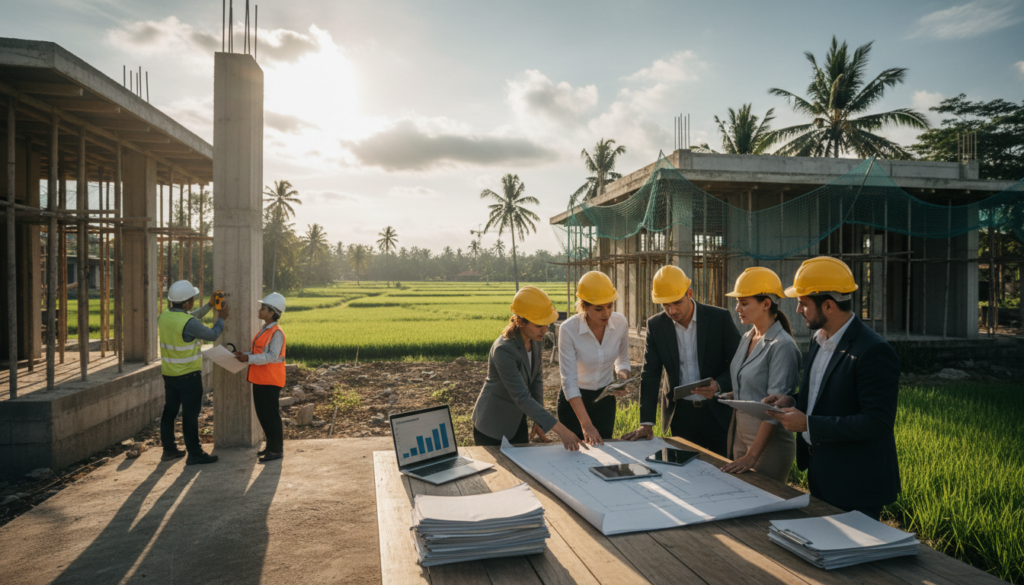
Engaging independent technical professionals for construction inspection and quality verification provides objective assessment of building standards and identifies potential defects or substandard work. Professional inspectors, structural engineers, and building surveyors offer specialized expertise that most buyers lack, revealing issues that may not be apparent to untrained observers.
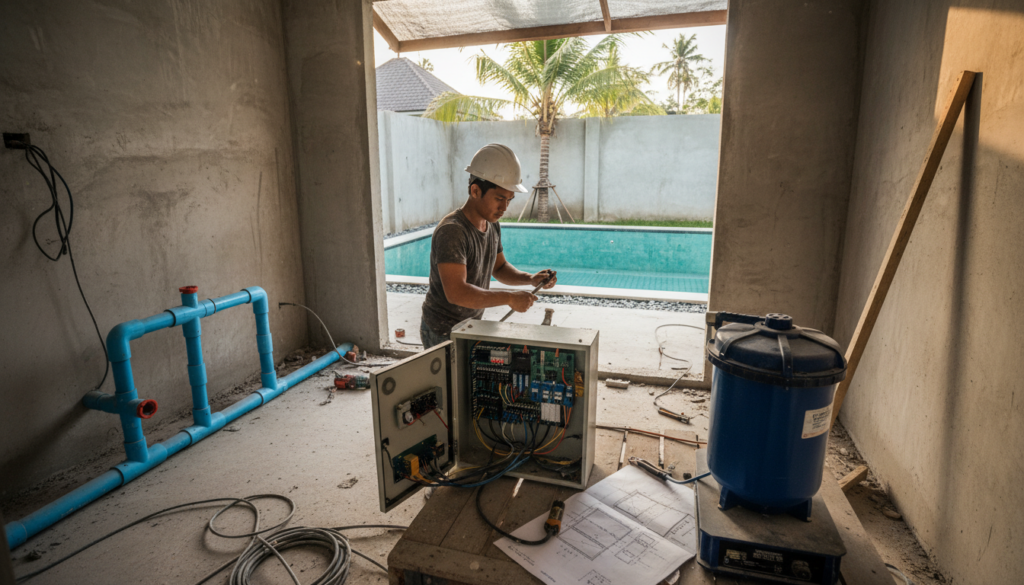
Pre-purchase inspections of completed properties should comprehensively evaluate structural integrity, building systems, finishes, and compliance with building codes. Structural assessments examine foundations, framing, and load-bearing elements for adequacy and defects. Building systems inspections evaluate electrical installations, plumbing systems, HVAC equipment, and other mechanical components for proper installation, functionality, and safety compliance.
For ongoing construction projects, staged inspections at critical milestones verify work quality and specification compliance before subsequent construction phases conceal earlier work. Foundation inspections before concrete pouring, framing inspections before wall closure, and rough-in inspections before finish installation allow identification and correction of defects when remediation remains feasible and cost-effective.
Technical inspections should specifically address tropical construction requirements relevant to Bali’s environment. Waterproofing adequacy, drainage functionality, ventilation provisions, and material suitability for humid conditions require particular attention. Inspectors familiar with local conditions and tropical construction best practices provide more valuable assessments than those lacking regional experience.
Material Quality Verification
Material quality significantly impacts construction durability and long-term performance, particularly in Bali’s challenging tropical environment. Verification of material specifications, sourcing, and quality standards protects against substitution of inferior products or use of materials unsuitable for intended applications.
Specifications should clearly identify required material standards, brands, or performance characteristics for all major building components. Structural materials, waterproofing systems, electrical components, plumbing fixtures, and finish materials should meet defined quality standards appropriate for tropical construction. Specifications referencing international standards or recognized quality certifications provide objective benchmarks for material acceptance.
Material verification during construction involves confirming that installed materials match specifications and examining quality indicators such as certifications, test reports, or manufacturer documentation. Random sampling and testing of critical materials like concrete, steel reinforcement, or waterproofing membranes provides additional quality assurance. This verification process prevents cost-cutting through material substitution that compromises building performance or longevity.
Financial Protection Mechanisms
Payment Structure and Milestone-Based Disbursements
Strategic payment structuring protects buyers from over-advancing funds relative to construction progress and maintains financial leverage to ensure project completion. Milestone-based payment schedules tied to verified work completion create balanced risk allocation between buyers and developers.
Appropriate payment structures typically involve limited initial deposits, with subsequent payments released upon achievement and verification of defined construction milestones. Initial deposits should represent a small percentage of total project cost, sufficient to demonstrate buyer commitment without creating excessive exposure. Subsequent payments correspond to completion of foundation work, structural framing, building enclosure, systems installation, and finish work.
Independent verification of milestone completion before payment release ensures that disbursements reflect actual progress. Third-party inspectors, project managers, or construction monitors can verify that work meets specifications and quality standards before recommending payment approval. This verification process prevents payment for incomplete or substandard work and maintains buyer leverage to ensure proper completion.
Final payment retention until project completion and defect correction provides additional protection. Retaining a significant percentage of total contract value until final inspection, defect remediation, and formal acceptance ensures developer motivation to complete all work properly and address any identified issues. This retention also provides funds for correction of defects if developers fail to fulfill warranty obligations.
Performance Bonds and Financial Guarantees
Performance bonds and bank guarantees provide financial security if developers fail to complete projects or fulfill contractual obligations. These instruments create enforceable claims against financial institutions or insurance companies, offering recourse independent of developer financial condition.
Performance bonds issued by reputable insurers or financial institutions guarantee project completion according to contract terms. If developers default, bond providers either fund project completion through alternative contractors or compensate buyers for losses. Bond amounts typically represent significant percentages of project value, providing meaningful financial protection.
Bank guarantees serve similar protective functions, with financial institutions guaranteeing payment of specified amounts if developers fail to meet defined obligations. These guarantees can cover deposit refunds if projects fail to commence, completion guarantees, or warranty obligations. The financial strength and reputation of guaranteeing institutions determine the practical value of these protections.
Regulatory Compliance and Permit Verification
Building Permit Validation
Verification of valid building permits represents a fundamental protection measure, ensuring that construction proceeds with proper governmental authorization and meets regulatory requirements. Building without valid permits creates legal risks, potential demolition orders, and inability to obtain occupancy certificates or utility connections.
Permit verification should confirm that developers have obtained all required approvals before construction commencement. Building permits (IMB) represent the primary authorization, but additional permits may be required depending on property location, size, and intended use. Environmental permits, tourism licenses for commercial properties, and special approvals for heritage areas or protected zones may apply to specific projects.
Permit documentation should be reviewed by qualified legal professionals to verify authenticity, confirm that permit terms match actual construction plans, and ensure that all conditions and requirements are being fulfilled. Permits issued for different specifications than actual construction, expired permits, or permits obtained through irregular processes create legal vulnerabilities that can affect property ownership and use rights.
Zoning and Land Use Compliance
Confirmation that construction complies with zoning regulations and land use designations prevents legal challenges and ensures that properties can be used for intended purposes. Zoning violations can result in use restrictions, fines, or requirements to modify or demolish non-compliant structures.
Zoning verification involves confirming that land designations permit intended construction and use. Residential, commercial, tourism, and agricultural zones have different permitted uses and development standards. Building in violation of zoning regulations, even with building permits, creates legal vulnerabilities and potential enforcement actions.
Development standards including setback requirements, height limits, building coverage ratios, and density restrictions must be verified for compliance. These regulations vary by location and zone classification. Non-compliant construction may face enforcement actions requiring modifications or, in extreme cases, partial demolition to achieve compliance.
Ongoing Risk Management and Post-Completion Protection
Defect Liability and Warranty Management
Post-completion defect liability periods and warranty management ensure that construction defects are identified and corrected without additional cost to buyers. Effective warranty management requires understanding coverage terms, documenting defects promptly, and pursuing correction through appropriate channels.
Defect liability periods typically extend for specified durations after completion, during which developers remain responsible for correcting defects arising from faulty workmanship or materials. Structural defects may carry longer warranty periods than finishes or equipment. Understanding warranty coverage scope, duration, and exclusions enables effective enforcement of developer obligations.
Defect documentation should be thorough and timely, with written notice to developers describing issues, locations, and required corrections. Photographic documentation and professional assessments strengthen defect claims. Maintaining records of all warranty claims, developer responses, and correction work creates documentation supporting enforcement if disputes arise.
Property Insurance and Ongoing Protection
Comprehensive property insurance provides ongoing protection against various risks affecting completed properties. Appropriate coverage addresses natural disasters, fire, theft, liability, and other potential losses, protecting property value and owner financial interests.
Property insurance policies in Bali should address region-specific risks including earthquakes, floods, tropical storms, and volcanic activity. Standard policies may exclude certain natural disaster coverage, requiring specific endorsements or separate policies. Understanding coverage limitations and exclusions prevents surprises when claims arise.
Liability coverage protects property owners against claims arising from injuries or damages occurring on their properties. This coverage is particularly important for rental properties or commercial operations where third-party exposure is significant. Adequate liability limits should reflect potential claim values and owner asset protection needs.
Conclusion: Implementing Comprehensive Protection Strategies
Successfully navigating construction risks in Bali requires implementing comprehensive protection strategies addressing multiple risk dimensions. The most effective approach combines several protective measures rather than relying on single safeguards. Purchasing completed units, conducting thorough developer due diligence, securing appropriate insurance coverage, implementing robust contractual protections, and verifying regulatory compliance create layered defenses against various risk scenarios.
The Bali construction market offers significant opportunities for investors and homeowners, but these opportunities come with inherent risks requiring careful management. Understanding the risk landscape, implementing appropriate protection mechanisms, and engaging qualified professionals for technical and legal guidance enable informed decision-making and successful project outcomes.
As the Bali property market continues evolving, buyer protection awareness and risk management sophistication are increasing. Developers with strong track records, transparent operations, and comprehensive buyer protections are gaining competitive advantages. Buyers who prioritize risk management and implement thorough due diligence processes position themselves for successful investments and satisfying property ownership experiences in this dynamic market.
The investment in comprehensive risk management and buyer protection measures represents prudent allocation of resources that can
 172 m²8 month(s)from 120.000 USD
Keshava
 4344 m²16 month(s)from 290.000 USD
Radha
 2144 m²11 month(s)from 104.000 USD
Narayana

Want to calculate?
 3127 m²9 month(s)from 177.000 USD
Mukunda
 3180 m²7 month(s)from 142.000 USD
Vasudeva
 3124 m²6 month(s)from 123.000 USD
TALA 8
 3104 m²11 month(s)from 99.000 USD
TALA 100
 3173 m²6 month(s)from 125.000 USD
TALA FOUR
 164 m²7 month(s)from 79.000 USD
TALA TWO
 164 m²7 month(s)from 32475 USD
300 m² Land Plot for Sale – Pakudui, Bali, Tegelalang
 from 113608 USD
615 m² Land Plot for Sale – Tabanan, Bali, Tabanan
Available lands
 204 m²5 min$ 40899Bali, Kedungu
 700 m²15 min$ 109052Bali, Buduk
 1 m²$ 177.000
Essential Bali build & buy guides
- Bali villa construction cost per m² in 2026
- How much will your villa cost? Calculator
- Building a villa in Bali: the complete guide
- Buying land in Bali: step-by-step for foreigners
- Bali villa investment: yields, risks, returns
- Leasehold vs freehold: what foreigners can own
- Construction defect liability & 10-year warranty
- Bali building codes and construction standards
Related guides

Why a Cheap Bali Leasehold Is Cheap: Pricing Red Flags Every Buyer Should Decode
Suspiciously cheap Bali leaseholds are priced low for a reason: short remaining terms, forbidden zoning, missing road access, disputes or weak contracts. How to decode the discount before you pay for it.
8 min read
Fake Compliance and Licensing Agents in Bali: The 2026 Paperwork Scam and How to Verify Documents
Forged certificates, permit fixers and fake notaries: how Bali's paperwork scams work in 2026 and how to verify every property document at its government source.
7 min read
Buying a Bali Villa from Instagram: Phantom Listings, Render-Only Projects and How to Verify
Instagram is Bali's biggest property shop window and its least verified. How phantom listings, render-only projects and cloned developer accounts work — and the verification steps that expose them.
7 min read