Built-In Wardrobe Installation Termite Protection in Bali
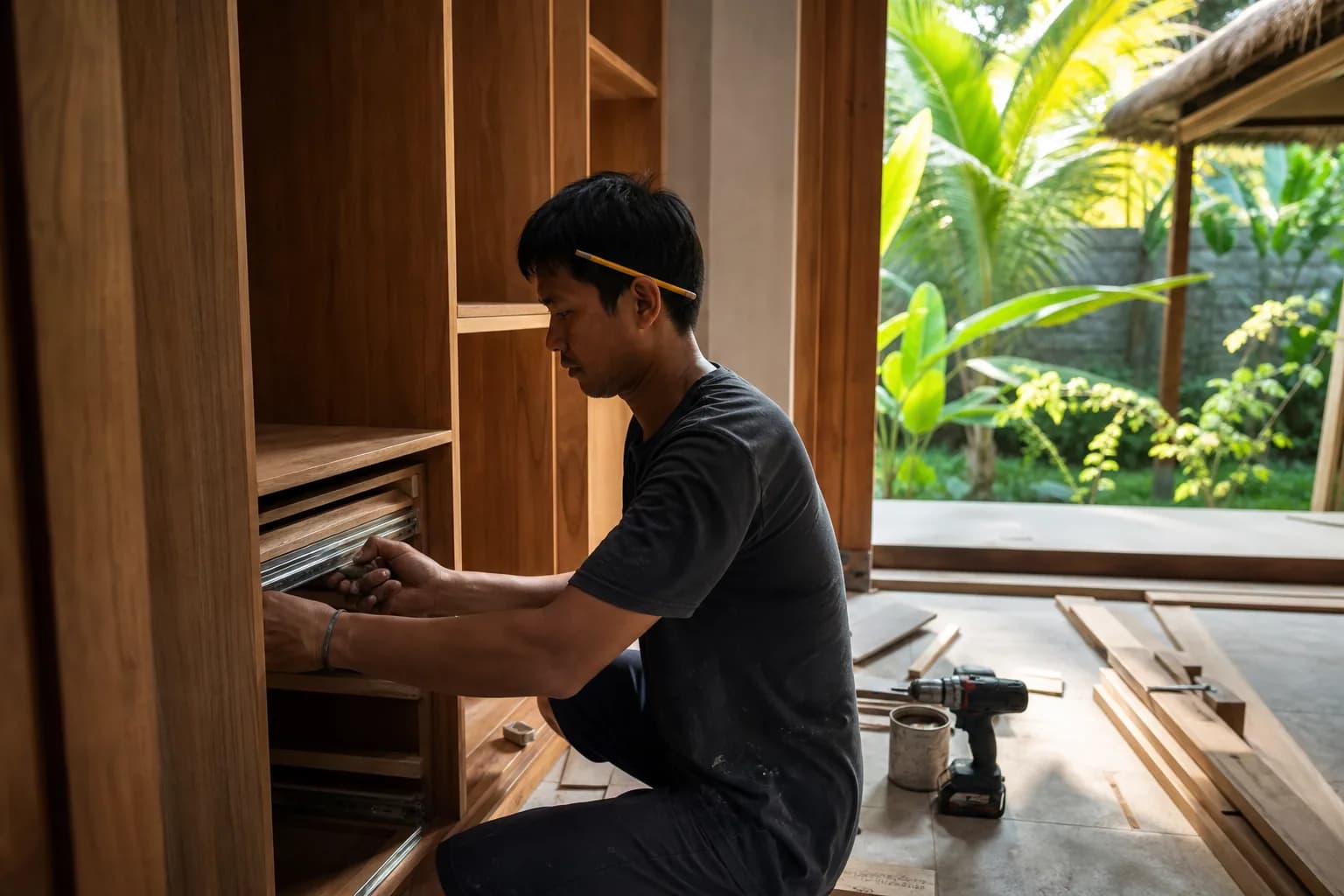
# Custom Built-In Wardrobe Installation: Termite Protection Methods Bali
The Hidden Threat to Your Custom Wardrobe Investment
Custom built-in wardrobes represent a significant investment in your Bali villa’s interior finishing, but without proper termite protection, these beautiful installations can become compromised within months. Bali’s tropical climate—with humidity levels consistently above 70% and year-round warmth—creates ideal conditions for subterranean and drywood termite colonies. The question isn’t whether termites exist in your area, but how to protect your custom carpentry from inevitable exposure. At Teville, we’ve witnessed expensive wardrobe installations destroyed by termite damage that could have been prevented with proper protection methods integrated during the construction phase.
Understanding Termite Behavior in Bali’s Built-In Furniture Context
Termite protection for custom built-in wardrobes requires understanding how these insects interact with interior finishing elements in tropical environments. Unlike freestanding furniture that can be moved and inspected, built-in wardrobes create permanent enclosed spaces—exactly the dark, humid conditions termites prefer for establishing colonies.
Species-Specific Threats to Wardrobe Installations
Bali hosts multiple termite species that attack built-in carpentry differently. Subterranean termites (Coptotermes curvignathus) build mud tubes from ground soil up through walls to reach timber, often entering wardrobes through wall-mounted fixing points. Drywood termites (Cryptotermes cynocephalus) infest timber directly without soil contact, making them particularly dangerous for wardrobes using imported or improperly treated wood. Dampwood termites target areas with moisture problems—common where wardrobes adjoin external walls or bathrooms.
The construction phase presents critical vulnerability points. When carpenters install built-in wardrobes, they typically anchor frames directly to structural walls, creating bridges between termite-prone building elements and your custom furniture. Wall cavities behind wardrobes become inaccessible inspection zones where infestations develop undetected. The enclosed base plinths, back panels touching walls, and timber touching concrete floors all create termite highways if not properly protected.
Climate-Specific Installation Challenges
Bali’s construction environment compounds termite risks during wardrobe installation. The rainy season (November-March) introduces moisture into wall cavities and concrete slabs that won’t fully dry before finishing works commence. Many villa projects rush interior finishing to meet deadlines, installing wardrobes before walls have adequately cured. This trapped moisture creates perfect conditions for termite attraction and fungal growth that further weakens timber.
Temperature stability in Bali means termite colonies remain active year-round, unlike temperate climates where cold seasons provide natural population control. Your wardrobe installation faces continuous termite pressure from the moment timber arrives on-site. We’ve documented cases where untreated timber stored on construction sites became infested before installation even began, introducing colonies directly into finished interiors.
The Multi-Barrier Protection Philosophy
Effective termite protection for built-in wardrobes requires layered defense systems, not single solutions. At Teville, we implement integrated termite management combining physical barriers, chemical treatments, material selection, and design modifications. This approach recognizes that no single method provides absolute protection in Bali’s challenging environment—redundancy ensures that if one barrier fails, others maintain protection.
The protection timeline extends from initial design through ongoing maintenance. Decisions made during wardrobe design—timber species selection, joinery methods, ventilation provisions—fundamentally determine long-term termite resistance. Installation phase treatments create immediate barriers. Post-installation monitoring and maintenance sustain protection over decades. This comprehensive approach differentiates professional villa construction from budget renovations that apply superficial treatments without addressing underlying vulnerabilities.
Material Selection and Treatment Standards for Termite Resistance
Naturally Resistant Timber Species
Material selection provides the foundation for termite-resistant wardrobe construction. Naturally durable timbers contain chemical compounds that repel or poison termites, offering inherent protection that doesn’t degrade over time. Teak (Tectona grandis) remains the premium choice for Bali villa construction, with natural oils that termites avoid. Properly seasoned teak heartwood can last decades without chemical treatment, though sapwood sections still require protection.
Merbau (Intsia bijuga) offers excellent termite resistance at moderate cost, suitable for wardrobe frames and structural components. Ironwood (Eusideroxylon zwageri) provides maximum durability but requires specialized joinery due to extreme hardness. For interior panels and shelving, cedar species contain aromatic oils that deter insects while providing pleasant fragrance. However, availability and cost often necessitate combining resistant species for structural elements with treated alternatives for non-critical components.
Chemical Treatment Specifications
When naturally resistant timber isn’t feasible, chemical treatments create artificial barriers. Boron-based treatments (disodium octaborate tetrahydrate) penetrate timber to provide long-lasting protection with low toxicity for interior applications. We specify minimum 10kg/m³ boron retention for wardrobe timber, applied through vacuum-pressure impregnation rather than surface brushing. Surface treatments penetrate only 2-3mm and wash away with moisture exposure, while pressure-treated timber maintains protection throughout its cross-section.
Permethrin and bifenthrin synthetic pyrethroids offer effective termite barriers for timber that will contact walls or floors. These treatments create repellent zones that termites won’t cross, protecting vulnerable connection points. Application timing matters critically—treating timber after cutting and drilling ensures all exposed surfaces receive protection, including end-grain that absorbs termites’ entry attempts.
Engineered Materials and Composite Options
Modern wardrobe construction increasingly incorporates termite-resistant engineered materials. Marine-grade plywood using phenolic resin adhesives resists both termites and moisture better than standard plywood. However, exposed edges still require sealing and treatment. Aluminum frames combined with timber panels eliminate termite pathways while maintaining aesthetic appeal. High-pressure laminate (HPL) over particleboard cores provides termite resistance if edges are properly sealed—unsealed particleboard attracts termites through its organic adhesives.
Step-by-Step Termite Protection Installation Process
Phase 1: Pre-Installation Site Preparation (Days 1-2)
Termite protection begins before wardrobe components arrive. We inspect wall cavities behind planned wardrobe locations using borescopes to identify existing termite activity or moisture problems. Any active infestations receive localized treatment with termiticide foam injections. Wall surfaces are treated with residual barrier sprays (bifenthrin 100g/L) extending 300mm beyond wardrobe footprints, creating protective zones that prevent termite approach from structural elements.
Floor areas receive particular attention. For wardrobes installed on concrete slabs, we apply liquid termiticide (imidacloprid 200g/L) along the wall-floor junction, drilling 12mm holes at 200mm intervals to inject treatment beneath the slab edge. This creates a continuous chemical barrier that termites cannot cross without lethal exposure. Timber floors require inspection of subfloor spaces, with treatment of stumps and bearers that could provide termite access routes.
Phase 2: Component Treatment and Barrier Installation (Days 3-4)
All wardrobe components undergo final treatment verification before installation. Timber moisture content is measured—anything above 15% receives additional drying time to prevent future moisture-related termite attraction. Cut edges, drill holes, and joinery surfaces receive brush application of boron solution, ensuring complete coverage of exposed end-grain where termites typically enter.
Physical barriers are integrated during frame assembly. Stainless steel mesh (0.66mm aperture) is installed between wardrobe base frames and floor surfaces, creating impenetrable barriers that termites cannot breach. For wardrobes with back panels touching walls, we install 0.5mm aluminum flashing between the panel and wall surface, eliminating direct timber-to-wall contact. These physical barriers provide permanent protection independent of chemical treatment lifespans.
Phase 3: Strategic Installation Methodology (Days 5-7)
Installation sequencing affects termite protection effectiveness. We install base frames first, ensuring they’re elevated 10-15mm above floor level on treated timber plinths or aluminum feet—this air gap prevents moisture wicking and allows inspection access. Wall-mounting brackets receive termiticide treatment before fixing, and we avoid penetrating existing termite barriers in walls when drilling anchor holes.
Back panels are installed with 20mm ventilation gaps at top and bottom, preventing the enclosed humid spaces termites prefer. This ventilation also allows visual inspection of the wall-wardrobe interface during routine maintenance. Internal components—shelving, drawers, hanging rails—are installed with consideration for future access, ensuring that termite inspection doesn’t require complete wardrobe disassembly.
Phase 4: Sealing and Final Protection (Day 8)
Final sealing prevents termite entry through gaps and joints. All timber edges receive two coats of water-based polyurethane sealant, creating moisture barriers that also prevent termite penetration. Joints between components are caulked with flexible sealant that accommodates timber movement while maintaining continuous barriers. Floor-level gaps receive particular attention—the junction between wardrobe plinths and flooring is sealed with termite-resistant caulk that remains flexible.
We install inspection ports in wardrobe bases and side panels—small removable covers that allow periodic termite checks without disturbing the installation. These 50mm diameter ports, positioned at corners and mid-spans, enable flashlight and probe inspections of critical areas. Final documentation includes treatment certificates, material specifications, and inspection schedules for ongoing maintenance.
Investment Requirements and Project Timeline
Cost Structure for Comprehensive Protection
Termite protection adds 15-25% to standard built-in wardrobe installation costs, varying with protection level and materials chosen. For a typical 3-meter linear wardrobe installation, basic termite protection (chemical treatment and resistant timber) costs approximately IDR 8,000,000-12,000,000. Mid-range protection incorporating physical barriers and premium treatments ranges IDR 15,000,000-22,000,000. Comprehensive protection using naturally resistant timber species, multiple barrier systems, and extended warranties reaches IDR 25,000,000-35,000,000.
These figures include material premiums (treated timber costs 30-40% more than untreated), specialized labor for barrier installation, chemical treatments, and initial inspection services. The investment proves economical compared to wardrobe replacement costs—a full custom wardrobe rebuild after termite damage typically exceeds IDR 50,000,000, plus the disruption of removing and reinstalling damaged units.
Project Timeline Considerations
Proper termite protection extends installation timelines by 3-5 days compared to unprotected installations. Pre-treatment of site areas requires 24-48 hours for chemical applications to dry and bond. Component treatment and barrier fabrication adds 1-2 days. The installation itself proceeds at normal pace, but final sealing and curing requires an additional day before the wardrobe can be loaded with contents.
Seasonal timing affects scheduling—we recommend wardrobe installation during Bali’s dry season (April-October) when humidity levels are lower and treatments cure more effectively. Rainy season installations require additional moisture management, potentially extending timelines by 2-3 days for adequate drying between treatment phases. For villa projects visible in our projects catalog, we coordinate wardrobe installation timing with overall construction schedules to optimize protection effectiveness.
Frequently Asked Questions About Wardrobe Termite Protection
How long do chemical termite treatments last in Bali’s climate?
Chemical barrier treatments typically provide 5-8 years of protection in Bali’s tropical environment, shorter than the 10-15 years claimed in temperate climates. High rainfall, soil acidity, and constant warmth accelerate chemical breakdown. Boron treatments in protected interior locations last longer—potentially 15-20 years—because they’re not exposed to weathering. We recommend professional re-inspection every 3 years with re-treatment as needed based on residual chemical testing. This maintenance schedule should be factored into long-term ownership costs.
Can termite protection be added to existing built-in wardrobes?
Retrofitting termite protection is possible but less effective than installation-phase integration. We can inject boron treatments into existing timber through drilled holes, install chemical barriers around wardrobe perimeters, and apply surface treatments to accessible areas. However, we cannot install physical barriers beneath existing frames or treat wall-contact surfaces without partial disassembly. Retrofit protection costs 60-70% of new installation protection but provides only 70-80% effectiveness. For valuable custom wardrobes showing early termite signs, retrofit treatment is worthwhile; for extensively damaged units, replacement with proper protection proves more economical.
What are the signs of termite activity in built-in wardrobes?
Early detection prevents major damage. Look for mud tubes on wardrobe backs or sides—these pencil-thick tunnel

Want to calculate?
 2144 m²11 month(s)from 104.000 USD
Narayana
 1from 198.000 USD
Private: Haridas Villas
 164 m²7 month(s)from 79.000 USD
Private: Haridas Villas, Tegallalang
 3104 m²11 month(s)from 99.000 USD
TALA 100
164 m²7 month(s)from 79.000 USDTALA TWO
 3180 m²7 month(s)from 142.000 USD
Vasudeva
 3127 m²9 month(s)from 177.000 USD
Mukunda
 3124 m²6 month(s)from 123.000 USD
TALA 8
 172 m²8 month(s)from 120.000 USD
Keshava
 3173 m²6 month(s)from 125.000 USD
TALA FOUR
 4344 m²16 month(s)from 290.000 USD
Radha
Start With Real Numbers, Not Guesses
Before finalizing your finishing works plan, check realistic cost ranges for your Bali villa project.
Available lands
 7900 m²25 min$ 413485Bali, Tabanan
 770 m²5 min$ 163578Bali, Kedungu
 1720 m²2 min$ 241478Bali, Tabanan
 800 m²8 min$ 113300Bali, Ungasan
 1000 m²10 min$ 303571Bali, Tabanan
 2500 m²5 min$ 609606Bali, Kedungu
 1700 m²10 min$ 632257Bali, Kuta
 600 m²10 min$ 206897Bali, Canggu
 2230 m²15 min$ 410573Bali, Padonan
 5028 m²10 min$ 361000Bali, Ubud
 1430 m²5 min$ 209862Bali, Klungkung
 1000 m²8 min$ 134544Bali, Bukit
 204 m²5 min$ 40899Bali, Kedungu
 3100 m²15 min$ 257697Bali, Tegallalang
 18900 m²2 min$ 6912931Bali, Pecatu
Essential Bali build & buy guides
- Bali villa construction cost per m² in 2026
- How much will your villa cost? Calculator
- Building a villa in Bali: the complete guide
- Buying land in Bali: step-by-step for foreigners
- Bali villa investment: yields, risks, returns
- Leasehold vs freehold: what foreigners can own
- Construction defect liability & 10-year warranty
- Bali building codes and construction standards
Related guides

Why a Cheap Bali Leasehold Is Cheap: Pricing Red Flags Every Buyer Should Decode
Suspiciously cheap Bali leaseholds are priced low for a reason: short remaining terms, forbidden zoning, missing road access, disputes or weak contracts. How to decode the discount before you pay for it.
8 min read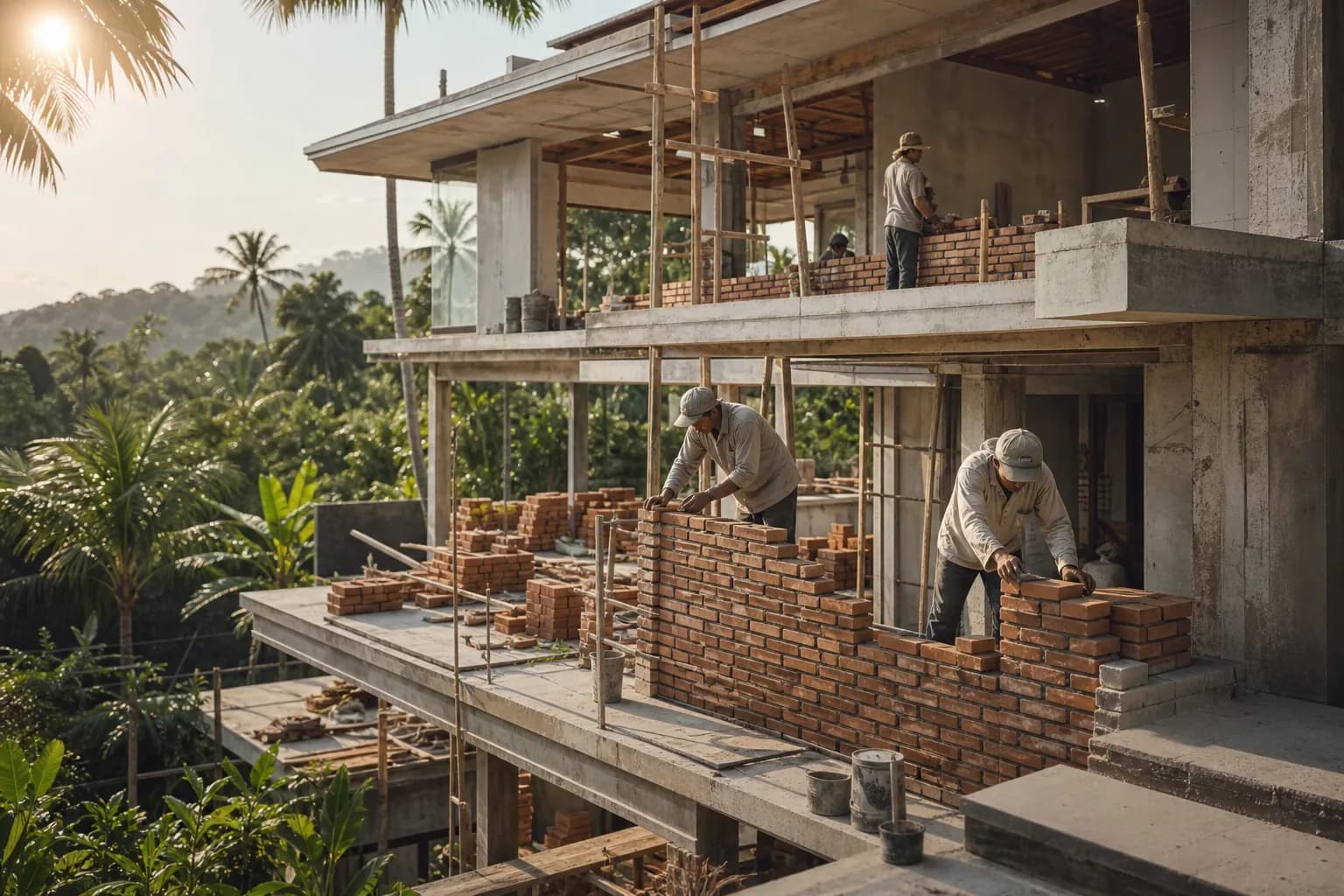
Fake Compliance and Licensing Agents in Bali: The 2026 Paperwork Scam and How to Verify Documents
Forged certificates, permit fixers and fake notaries: how Bali's paperwork scams work in 2026 and how to verify every property document at its government source.
7 min read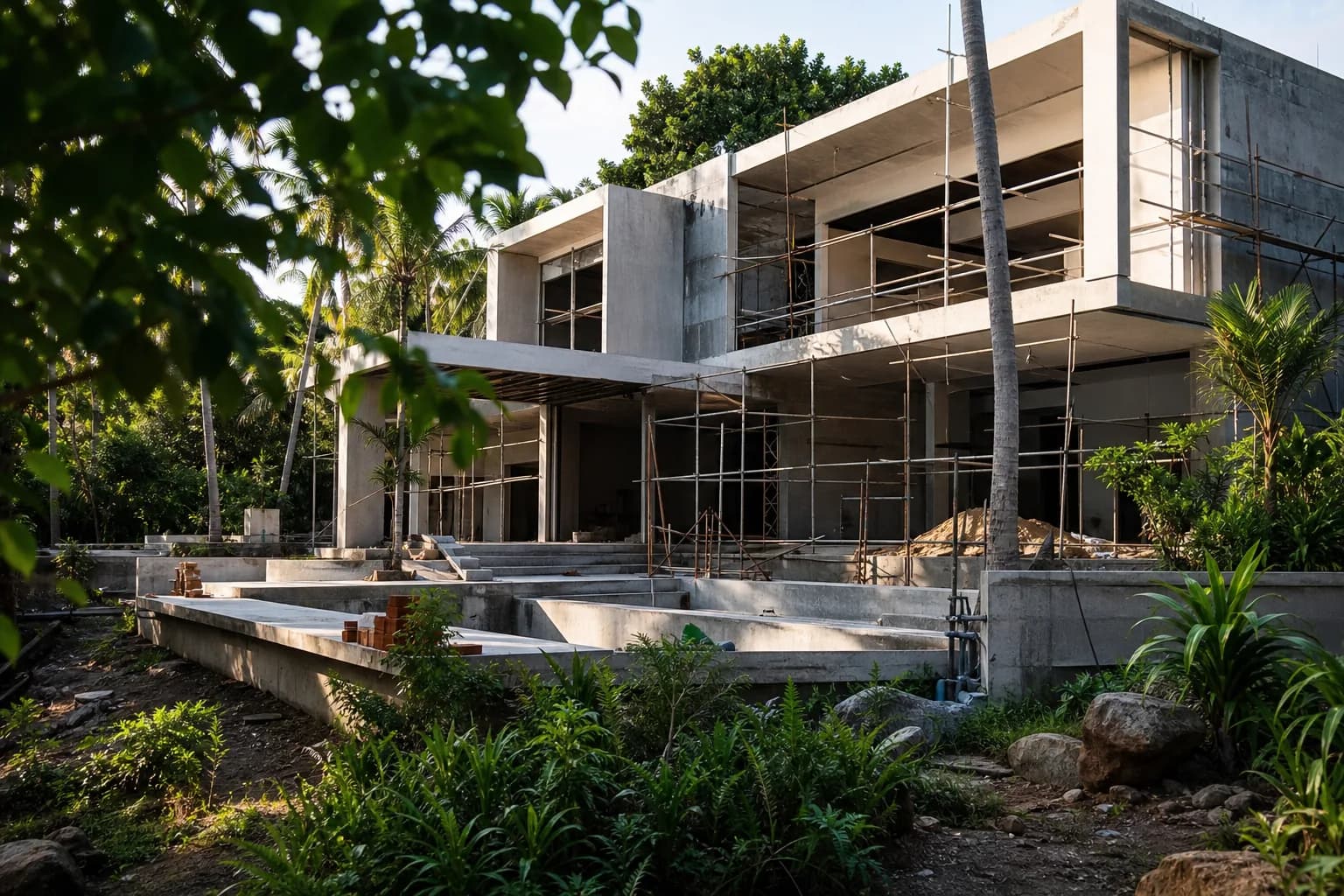
Buying a Bali Villa from Instagram: Phantom Listings, Render-Only Projects and How to Verify
Instagram is Bali's biggest property shop window and its least verified. How phantom listings, render-only projects and cloned developer accounts work — and the verification steps that expose them.
7 min read