Split AC Refrigerant Line Limits for Bali Multi-Story Villas
Split AC Refrigerant Line Set Length Limits: Bali Multi-Story Villas
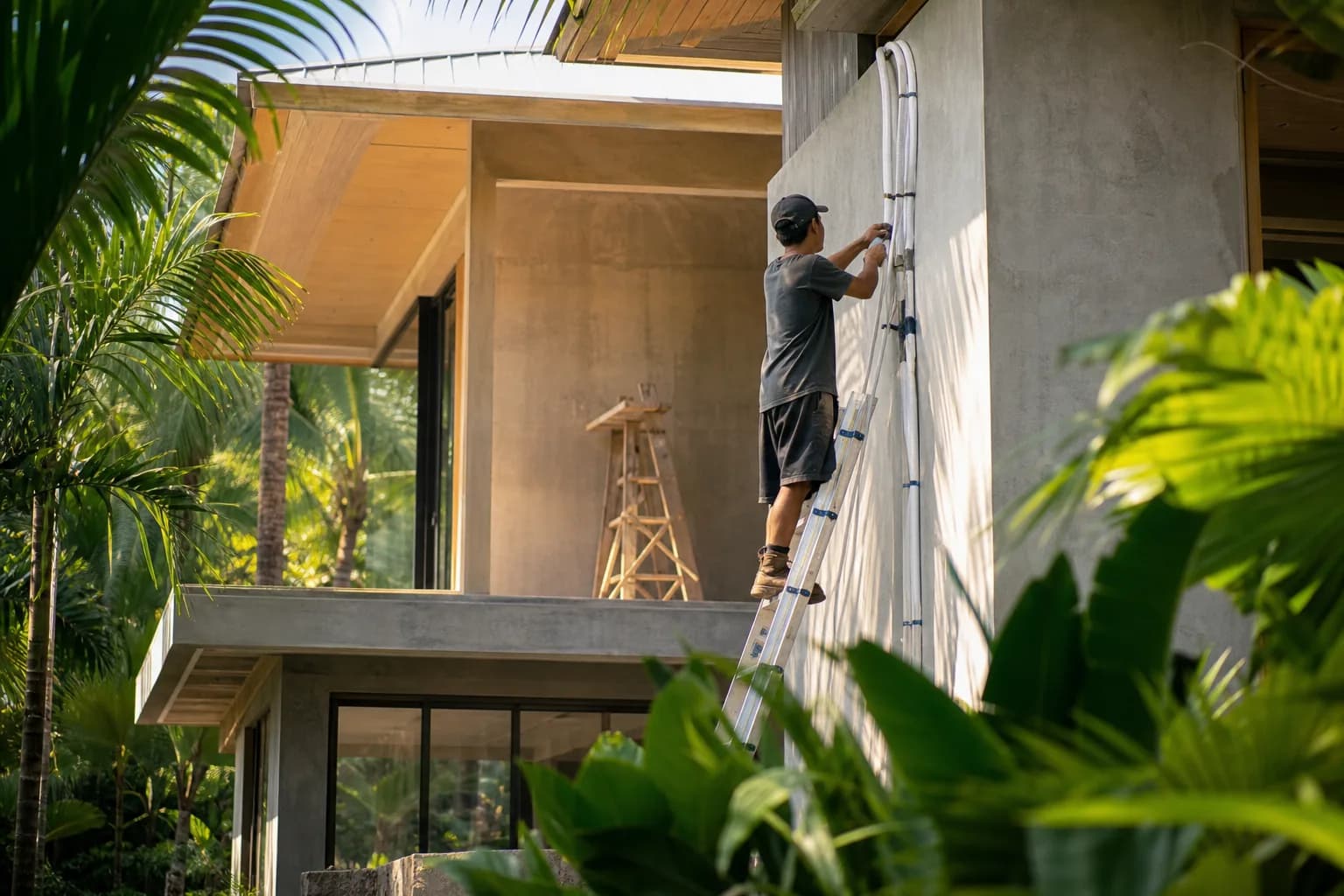
When installing split air conditioning systems in Bali’s multi-story villas, one critical technical constraint often catches builders and renovators off-guard: refrigerant line set length limitations. A three-story villa with rooftop condensers and ground-floor living spaces can easily require 15-20 meters of vertical piping run, pushing against manufacturer specifications that typically max out at 20-25 meters total equivalent length for residential systems. Exceed these limits without proper compensation, and you’ll face reduced cooling capacity, compressor strain, and premature system failure in Bali’s demanding tropical climate where AC units already work harder than temperate regions.
Understanding Refrigerant Line Set Length Constraints in Tropical Multi-Story Applications
Refrigerant line sets consist of two copper pipes—the liquid line and the suction line—that connect your outdoor condenser unit to indoor air handlers. For Bali villa construction, understanding these length limits becomes critical when designing MEP systems for properties with significant vertical separation between floors.
Standard residential split AC systems using R-410A or newer R-454B refrigerants typically support maximum total equivalent lengths of 15-25 meters for smaller capacity units (9,000-18,000 BTU), extending to 30-50 meters for larger commercial-grade systems. However, vertical rise creates additional challenges. Most manufacturers specify maximum vertical separation limits of 10-15 meters for residential units, with some high-end systems allowing up to 30 meters when properly configured.
The “total equivalent length” calculation matters significantly in Bali villa construction. Each 90-degree elbow adds approximately 0.5 meters to your equivalent length, and each floor typically requires 2-4 bends to route piping through structural elements. A typical three-story Bali villa with outdoor units on the ground level and indoor units on the third floor might calculate as follows: 12 meters actual vertical rise + 8 meters horizontal run + 6 elbows (3 meters equivalent) = 23 meters total equivalent length.
Tropical climate considerations amplify these constraints. Bali’s consistent 28-32°C ambient temperatures mean condensers work continuously at higher capacity. Longer refrigerant lines increase pressure drop and reduce system efficiency precisely when you need maximum performance. The refrigerant must travel further against gravity in the suction line, requiring adequate oil return velocity to prevent compressor damage—a particular concern in humid tropical environments where any system weakness accelerates corrosion and failure.
When line sets exceed manufacturer specifications, several technical compensations become necessary. Additional refrigerant charge must be calculated and added—typically 10-20 grams per meter of liquid line beyond the standard charge. Suction line traps (oil return loops) must be installed at specific intervals on vertical rises exceeding 5 meters to ensure compressor lubrication oil returns properly. Larger diameter piping may be required to maintain adequate refrigerant velocity and minimize pressure drop.
For Bali multi-story villas, strategic condenser placement becomes paramount during the design phase. Rooftop placement seems logical for aesthetic reasons and space efficiency, but creates maximum vertical separation. Ground-level or mid-level mechanical rooms often provide better technical solutions, reducing line lengths while maintaining accessibility for maintenance—crucial in Bali’s salt-air coastal environments where regular servicing extends system lifespan significantly.
Installation Process for Extended Line Set Configurations
Installing extended refrigerant line sets in Bali multi-story villas requires meticulous planning and execution to ensure system reliability in tropical conditions. The process begins during the structural phase, not during finishing works.
Pre-Installation Planning and Routing
Before any piping installation, create detailed routing plans that minimize total equivalent length. Map the most direct path from condenser to air handler, accounting for structural beams, columns, and architectural features. In Bali villa construction, coordinate with structural engineers to incorporate pipe chases or sleeves during concrete pours—retrofitting penetrations later damages waterproofing and structural integrity.
Calculate total equivalent length precisely, including all horizontal runs, vertical rises, and fittings. If approaching manufacturer limits (typically 20-25 meters for residential systems), consider alternative condenser locations or specify commercial-grade equipment rated for longer runs. Document these calculations for warranty purposes and future maintenance reference.
Copper Piping Installation
Use only high-grade dehydrated copper tubing specifically manufactured for refrigeration applications. In Bali’s humid climate, standard plumbing copper absorbs moisture that contaminates refrigerant systems. Install piping with continuous fall toward the condenser (minimum 1:100 gradient) to facilitate oil return.
For vertical rises exceeding 5 meters, install suction line traps every 5-7 meters of vertical run. These U-shaped loops ensure refrigerant velocity remains sufficient to carry compressor oil upward. Without proper traps, oil accumulates in the compressor, causing premature failure—a costly mistake in multi-story installations.
Secure piping every 1-1.5 meters using vibration-dampening brackets. Bali’s seismic activity and thermal expansion from tropical temperature swings require robust support systems. Use stainless steel or hot-dip galvanized brackets—standard steel corrodes rapidly in coastal humidity.
Insulation and Protection
Apply closed-cell elastomeric foam insulation to both liquid and suction lines, with minimum 13mm thickness for suction lines and 9mm for liquid lines. In Bali’s humidity, inadequate insulation causes condensation that damages building finishes and reduces system efficiency. Seal all insulation joints with weatherproof adhesive and UV-resistant tape for outdoor sections.
Protect exposed piping from tropical sun exposure using UV-resistant conduit or painted metal channels. Direct sunlight degrades insulation and increases refrigerant temperatures, reducing system capacity. In coastal Bali locations, consider additional corrosion protection using marine-grade coatings on all metal components.
Pressure Testing and Commissioning
Before charging refrigerant, pressure test the complete system at 450 PSI for 24 hours minimum. Bali’s temperature fluctuations provide natural leak detection—pressure should remain stable despite ambient temperature changes. Any pressure drop indicates leaks that must be located and repaired before proceeding.
Evacuate the system to 500 microns or lower using a high-quality vacuum pump, maintaining vacuum for at least one hour. Tropical humidity makes thorough evacuation critical—moisture in refrigerant systems causes acid formation and compressor failure. Charge refrigerant according to manufacturer specifications, adding supplementary charge calculated for your specific line length (typically 10-20g per meter beyond standard length).
Materials and Specifications for Tropical Multi-Story Installations
Material selection significantly impacts system longevity in Bali’s aggressive tropical environment. Specify dehydrated refrigeration-grade copper tubing in appropriate sizes: typically 1/4″ or 3/8″ liquid line and 1/2″ or 5/8″ suction line for residential systems. Larger diameter piping (up to 7/8″ suction) may be required for extended runs to maintain refrigerant velocity.
Use only brazed connections with 15% silver-content brazing alloy (BCuP-5 or similar). Flared connections, while faster to install, develop leaks over time in Bali’s thermal cycling conditions. Braze joints using nitrogen purge to prevent internal oxidation that contaminates refrigerant and damages compressor valves.
Specify closed-cell elastomeric foam insulation rated for outdoor tropical use with minimum density of 60 kg/m³. Brands like Armaflex or K-Flex provide UV-resistant options suitable for Bali’s intense sun exposure. Avoid open-cell or fiberglass insulation that absorbs moisture and loses effectiveness.
For extended vertical runs, install check valves and oil separators as recommended by system manufacturers. These components ensure proper refrigerant and oil circulation in configurations exceeding standard specifications. Use only components rated for your specific refrigerant type (R-410A, R-32, or R-454B)—mixing incompatible materials causes system failure.
Condensate drainage requires careful specification in multi-story applications. Use minimum 20mm PVC drainage pipe with proper fall (minimum 1:100 gradient) and air breaks to prevent siphoning. In Bali villa construction, route condensate drains to landscaped areas or collection systems—never discharge onto walkways where algae growth creates slip hazards.
Cost Breakdown for Extended Line Set Installations
Understanding cost implications helps budget appropriately for Bali multi-story villa AC installations. Material costs for extended refrigerant line sets include copper piping at approximately IDR 180,000-250,000 per meter for complete insulated line sets (both liquid and suction lines), depending on diameter and quality grade.
Additional refrigerant charge costs IDR 150,000-300,000 per kilogram, with extended runs typically requiring 0.5-2kg additional charge depending on line length and system capacity. Suction line traps and specialized fittings add IDR 500,000-800,000 per trap assembly for materials and installation.
Labor costs for extended line set installation run IDR 1,200,000-2,000,000 per indoor unit in multi-story configurations, compared to IDR 800,000-1,200,000 for standard single-story installations. This premium reflects additional time for vertical routing, trap installation, and precise brazing work required for leak-free systems.
Specialized equipment rental or service fees include vacuum pumps (IDR 300,000-500,000 per day), nitrogen cylinders for purging (IDR 200,000-350,000), and refrigerant recovery equipment (IDR 400,000-600,000 per project). Professional commissioning and testing adds IDR 800,000-1,500,000 per system to ensure proper operation.
For a typical three-story Bali villa with four indoor units requiring extended line sets averaging 20-25 meters each, total AC installation costs range from IDR 65,000,000-95,000,000 including equipment, materials, and professional installation. This compares to IDR 45,000,000-65,000,000 for equivalent single-story installations with standard line lengths. The investment in proper extended line set installation prevents costly system failures and ensures reliable cooling performance in Bali’s demanding tropical climate.
Common Mistakes in Multi-Story Split AC Installations
The most frequent error in Bali villa construction involves inadequate pre-planning of refrigerant line routing. Contractors often begin piping installation during finishing works without considering total equivalent length calculations, discovering too late that their routing exceeds manufacturer specifications. This forces expensive redesigns or results in underperforming systems. Always calculate and document line lengths during design phase, incorporating pipe chases into structural plans.
Improper or missing suction line traps cause premature compressor failure in vertical installations. Many installers unfamiliar with multi-story requirements omit these critical components, allowing compressor oil to drain into the evaporator coil. The compressor then runs without adequate lubrication, failing within 1-2 years instead of the expected 8-10 year lifespan. Install traps every 5-7 meters of vertical rise without exception.
Inadequate insulation or poor insulation sealing creates condensation problems that damage villa finishes. Bali’s high humidity means any cold surface without proper insulation becomes a water source. Gaps in insulation joints, compressed insulation from improper installation, or UV-degraded outdoor insulation all cause dripping condensation that stains ceilings, walls, and furniture. Use continuous closed-cell insulation with all joints properly sealed and protected from sun exposure.
Insufficient refrigerant charge for extended line lengths reduces cooling capacity and efficiency. Standard factory charge assumes 5-7 meter line sets; longer runs require additional refrigerant calculated based on liquid line diameter and length. Failing to add supplementary charge results in systems that struggle to cool effectively, running continuously and consuming excessive electricity while never achieving comfortable temperatures.
Using incompatible materials or improper brazing techniques causes refrigerant leaks. Flared connections instead of brazed joints, brazing without nitrogen purge, or using incorrect brazing alloys all create leak points that may not appear immediately but develop within months. In Bali’s coastal environment, even small leaks accelerate corrosion and system contamination. Invest in proper brazing equipment and techniques for leak-free installations that last decades.
Frequently Asked Questions
What is the maximum refrigerant line length for a three-story Bali villa?
Most residential split AC systems support maximum total equivalent lengths of 20-25 meters, though commercial-grade systems can handle 30-50 meters. For a three-story villa with 10-12 meters vertical rise, you’ll typically have 8-13 meters available for horizontal routing and fittings. If your layout exceeds these limits, consider mid-level condenser placement, multiple smaller systems instead of one large system, or specify commercial-grade equipment rated for extended runs. Always consult manufacturer specifications for your specific equipment model and calculate total equivalent length including all elbows and fittings.
Do I need suction line traps for my multi-story villa AC installation?
Yes, suction line traps are essential for any vertical rise exceeding 5 meters. These U-shaped loops in the suction line ensure refrigerant velocity remains sufficient to carry compressor oil upward against gravity. Without proper traps installed every 5-7 meters of vertical run, oil accumulates in the evaporator coil and compressor runs without adequate lubrication, causing premature failure. This
 172 m²8 month(s)from 120.000 USD
Keshava
 3124 m²6 month(s)from 123.000 USD
TALA 8
 164 m²7 month(s)from 79.000 USD
TALA TWO
 3173 m²6 month(s)from 125.000 USD
TALA FOUR
 3127 m²9 month(s)from 177.000 USD
Mukunda
164 m²7 month(s)from 79.000 USDPrivate: Haridas Villas, Tegallalang

Want to calculate?
 4344 m²16 month(s)from 290.000 USD
Radha
 2144 m²11 month(s)from 104.000 USD
Narayana
 1from 198.000 USD
Private: Haridas Villas
 3104 m²11 month(s)from 99.000 USD
TALA 100
 3180 m²7 month(s)from 142.000 USD
Vasudeva
Start With Real Numbers, Not Guesses
Before buying land or finalizing a design, check the realistic build cost range for your project in Bali.
Our team reviews your inputs and gives a grounded estimate.
Available lands
 515 m²7 min$ 570813Bali, Canggu
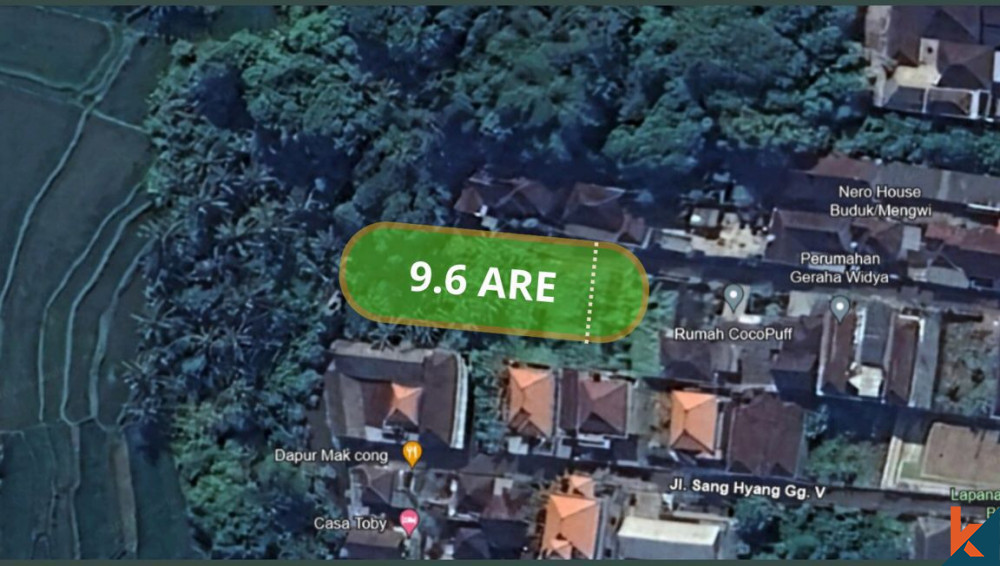 960 m²15 min$ 91034Bali, Mengwi
 300 m²55 min$ 32475Bali, Tegelalang
 2800 m²2 min$ 713793Bali, Kedungu
 800 m²5 min$ 295567Bali, Seseh
 889 m²15 min$ 145612Bali, Cepaka
 2230 m²15 min$ 410573Bali, Padonan
 200 m²5 min$ 59113Bali, Bukit
 2000 m²10 min$ 243842Bali, Mengwi
 1700 m²10 min$ 632257Bali, Kuta
 260 m²5 min$ 51872Bali, Kedungu
 3700 m²15 min$ 738177Bali, Tabanan
 8313 m²15 min$ 716670Bali, Buduk
 2200 m²15 min$ 508005Bali, Canggu
 500 m²10 min$ 107143Bali, Tabanan
Essential Bali build & buy guides
- Bali villa construction cost per m² in 2026
- How much will your villa cost? Calculator
- Building a villa in Bali: the complete guide
- Buying land in Bali: step-by-step for foreigners
- Bali villa investment: yields, risks, returns
- Leasehold vs freehold: what foreigners can own
- Construction defect liability & 10-year warranty
- Bali building codes and construction standards
Related guides
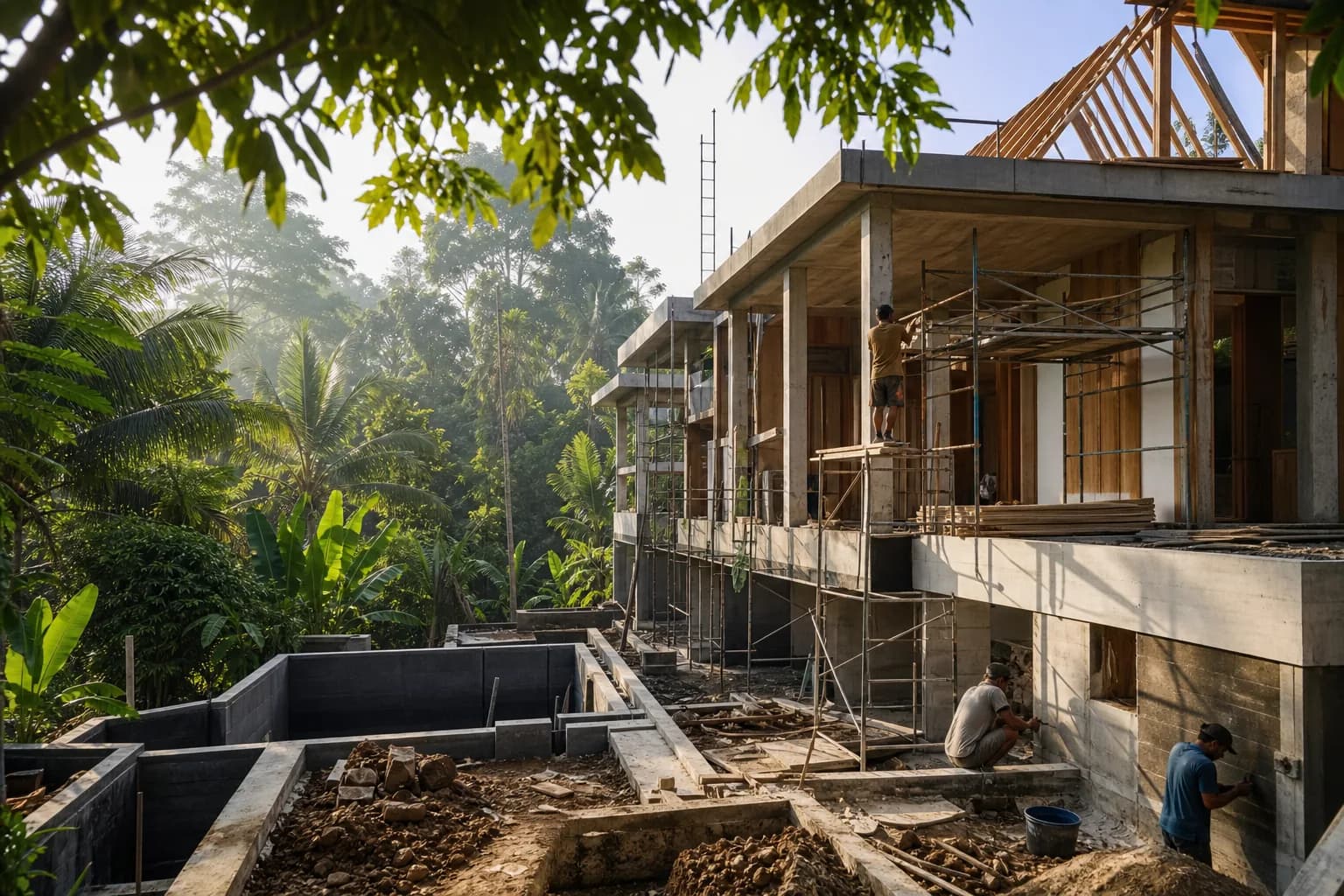
True Closing Costs of a Bali Purchase: Notary, Taxes and Fees on Top of the Price
What you really pay on top of a Bali property price in 2026: notary fees, transfer and lease taxes, VAT on developer units — with realistic totals for each deal type and a worked example.
7 min read
Bali Property Taxes for Foreigners: BPHTB, PPh and PBB-P2 — Who Pays What and When
A clear 2026 breakdown of the three taxes every foreign buyer meets in Bali — BPHTB, PPh and PBB-P2 — with who pays what, on which value, and at which point in the deal.
9 min read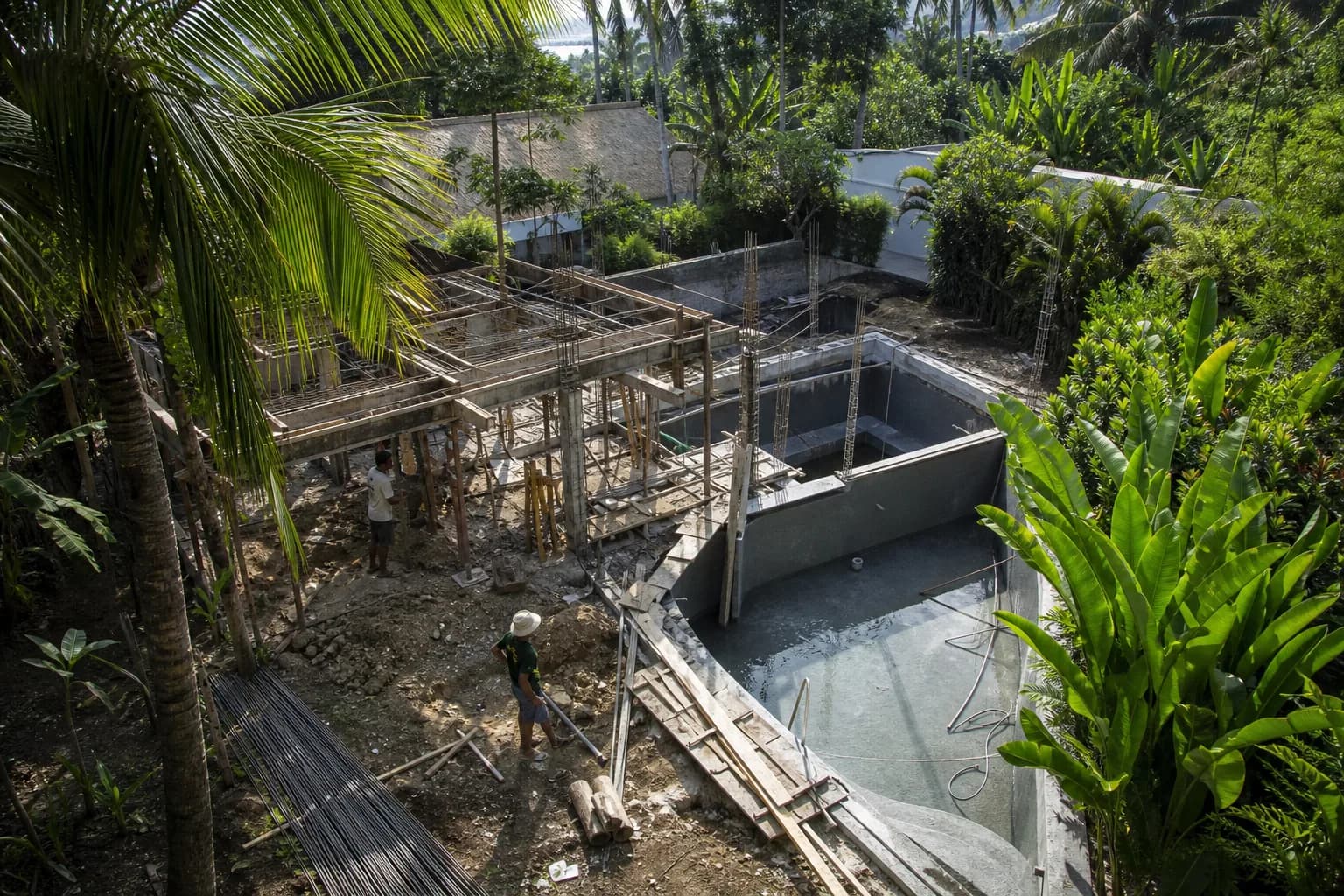
Swimming Pool Construction Cost in Bali (2026): Real Prices by Size and Type
What a swimming pool really costs to build in Bali in 2026 — by size, structure and finish — plus running costs, common quote traps and where pools go wrong in the tropics.
3 min read