Grout Sealing Frequency for Bali Bathroom Tiles: Mold Prevention
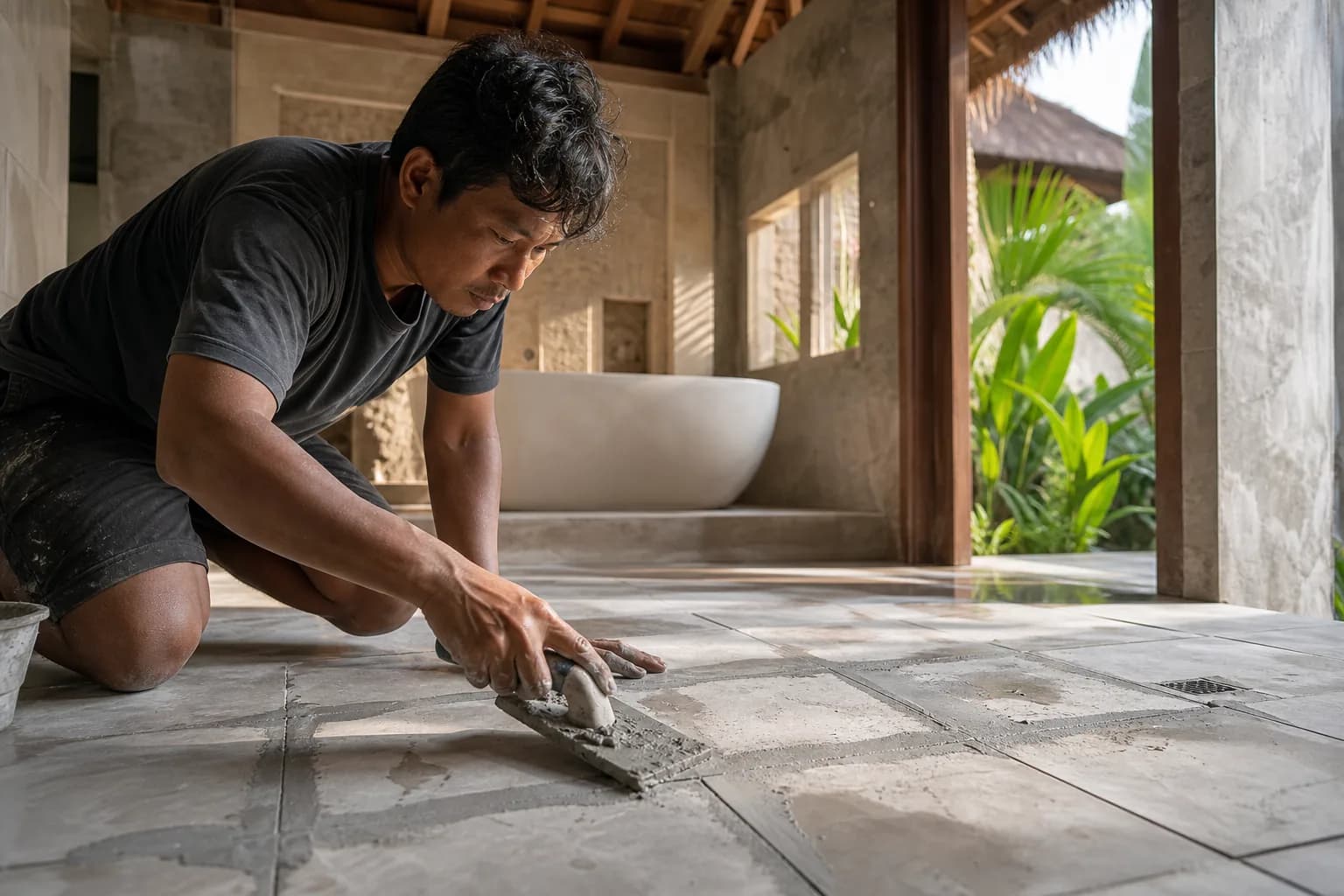
Why Bali Bathroom Grout Fails Within Months Without Proper Sealing Schedules
Bathroom grout in Bali villas deteriorates at an accelerated rate compared to temperate climates, with unsealed or improperly maintained grout developing visible mold colonies within 3-6 months of installation. The island’s consistent 70-90% humidity levels, combined with daily tropical rainfall and warm temperatures averaging 27-32°C, create optimal conditions for mold spore germination in porous grout lines. For villa owners and property developers investing in Bali villa construction and interior finishing Bali projects, understanding grout sealing frequency isn’t merely aesthetic maintenance—it’s a critical structural protection measure that prevents water infiltration, substrate damage, and costly bathroom renovations within the first year of occupancy.
The Technical Reality of Grout Porosity in Tropical High-Moisture Environments
Cement-based grout, the standard material for tile installations in Bali bathroom construction, possesses an inherently porous microstructure with capillary networks ranging from 0.05 to 10 microns in diameter. These microscopic channels absorb moisture through capillary action, creating saturated conditions within the grout matrix that persist for 6-12 hours after shower use in Bali’s humidity levels. Unlike temperate climates where evaporation rates balance moisture absorption, Bali’s atmospheric conditions prevent adequate drying cycles, leaving grout perpetually damp.
Mold species common to Bali bathrooms—including Aspergillus niger, Cladosporium, and Stachybotrys chartarum—require only three conditions for colonization: organic material (present in soap residue and skin cells), moisture content above 60%, and temperatures between 15-35°C. Unsealed grout provides all three conditions continuously. Laboratory testing demonstrates that mold spores can germinate on damp grout surfaces within 24-48 hours under tropical conditions, with visible colonies forming within 7-14 days.
The waterproofing membrane beneath bathroom tiles, while essential for structural protection, does not eliminate the need for grout sealing. Surface water penetrating through grout lines can become trapped between the tile and membrane, creating hydrostatic pressure that eventually compromises adhesive bonds. This phenomenon, particularly prevalent in Bali’s high-water-table coastal areas, manifests as hollow-sounding tiles, grout cracking, and eventual tile delamination—issues frequently encountered in renovation Bali projects addressing failed bathroom installations.
Professional grout sealers function by filling capillary networks with hydrophobic compounds—typically silicone-based, fluoropolymer, or acrylic formulations—that repel water molecules while allowing vapor transmission. This vapor permeability remains critical in tropical applications; non-breathable sealers trap subsurface moisture, causing efflorescence (white salt deposits) and premature sealer failure. Quality penetrating sealers reduce grout water absorption by 85-95%, effectively breaking the moisture-mold cycle when maintained according to manufacturer specifications.
Teville’s finishing teams document that bathroom grout in Bali villas requires resealing every 6-12 months depending on usage intensity and ventilation quality, compared to 2-3 year intervals typical in temperate climates. High-traffic guest bathrooms in rental villas demand six-month resealing schedules, while private master bathrooms with superior ventilation systems may extend to annual maintenance. This accelerated maintenance requirement must be factored into long-term property management budgets during the construction planning phase.
The economic impact of neglected grout sealing extends beyond surface mold remediation. Water penetration through compromised grout can saturate cement-board substrates, corrode metal fixtures embedded in walls, and promote structural timber decay in adjacent framing—repair costs escalating from $200-500 for grout resealing to $3,000-8,000 for complete bathroom reconstruction including waterproofing membrane replacement and tile reinstallation.
Sealer Material Specifications for Bali’s Tropical Bathroom Conditions
Not all grout sealers perform equally in Bali’s aggressive moisture environment. Penetrating sealers formulated with fluoropolymer technology demonstrate superior longevity in tropical applications, maintaining water repellency for 12-18 months compared to 6-9 months for standard silicone-based products. These advanced formulations create molecular bonds within the grout matrix rather than surface coatings, providing resistance to the mechanical wear from daily cleaning and high-pressure water exposure common in Balinese bathroom use patterns.
Specification requirements for Bali bathroom grout sealers should include: VOC content below 50g/L for indoor air quality in poorly ventilated spaces, water-based formulations that cure properly in high humidity (avoiding solvent-based products that require low-humidity curing conditions), mold and mildew resistance additives, and UV stability for bathrooms with natural light exposure. The sealer must be compatible with the specific grout type—epoxy grout installations require different sealer chemistry than standard cement-based grout.
For interior finishing Bali projects, Teville specifies commercial-grade penetrating sealers meeting ANSI A118.13 standards for tile installation materials. These products typically cost $45-85 per liter, with coverage rates of 15-25 square meters per liter depending on grout porosity and line width. While premium compared to consumer-grade products ($15-25 per liter), professional formulations provide 40-60% longer protection intervals, reducing annual maintenance frequency and total lifecycle costs.
Color-matched grout sealers warrant caution in high-end villa finishing. While these products can restore discolored grout appearance, they function as surface coatings rather than penetrating sealers, offering inferior moisture protection and requiring more frequent reapplication (every 3-4 months in Bali conditions). For projects prioritizing long-term durability over immediate aesthetic correction, clear penetrating sealers combined with proper grout cleaning protocols deliver superior performance.
Professional Grout Sealing Application Process for Maximum Mold Prevention
Effective grout sealing begins with comprehensive surface preparation—the most commonly neglected step in DIY applications. New grout installations require a minimum 72-hour curing period before sealer application, extended to 7-10 days in Bali’s high humidity to ensure complete hydration and strength development. Premature sealing traps residual moisture within the grout matrix, creating subsurface conditions conducive to mold growth despite surface protection.
Step 1: Deep Cleaning and Mold Remediation (Day 1)
Remove all surface contaminants, soap scum, and existing mold using oxygen bleach solutions (sodium percarbonate) rather than chlorine bleach, which can degrade grout and leave salt residues that interfere with sealer penetration. Apply cleaning solution with stiff nylon brushes, working along grout lines to dislodge embedded material. For established mold colonies, apply antimicrobial treatment containing quaternary ammonium compounds, allowing 15-20 minute contact time before rinsing. Thoroughly rinse all surfaces with clean water, using wet-dry vacuum extraction to remove standing water from grout lines.
Step 2: Complete Drying Period (Days 2-3)
Allow minimum 48 hours drying time with forced ventilation—critical in Bali’s humidity. Position fans to create cross-ventilation, and if available, use dehumidifiers to reduce bathroom humidity below 60%. Test grout moisture content using a pin-type moisture meter; readings should be below 12% before sealer application. Inadequate drying represents the primary cause of sealer failure in tropical bathroom applications, as moisture trapped beneath the sealer creates pressure that prevents proper penetration and bonding.
Step 3: Sealer Application Technique (Day 4)
Apply penetrating sealer using foam applicators or small brushes that allow precise grout line coverage without excess product on tile surfaces. Work in 1-2 square meter sections, applying sealer liberally to ensure complete saturation of the grout matrix. Quality penetrating sealers should absorb into grout within 3-5 minutes; if product remains on the surface after this period, the grout is saturated and excess should be removed. For vertical surfaces, work from bottom to top to prevent drips on unsealed areas. Apply second coat after manufacturer-specified interval (typically 30-60 minutes), ensuring complete coverage of any areas where first coat absorbed rapidly.
Step 4: Tile Surface Cleaning and Curing
Remove sealer residue from tile surfaces within 10-15 minutes of application using clean, dry microfiber cloths. Sealer that cures on tile surfaces creates hazy films requiring aggressive cleaning with solvent-based removers. Allow minimum 24-48 hours curing time before water exposure, extended to 72 hours for optimal performance in Bali’s humidity. During this period, maintain bathroom ventilation and avoid steam or moisture introduction that can interfere with sealer curing chemistry.
Step 5: Water Repellency Testing and Documentation
After full curing period, test sealer effectiveness by applying water droplets to grout lines. Properly sealed grout should cause water to bead on the surface rather than absorbing. Document sealing date, product used, and coverage areas for maintenance scheduling—information critical for property management teams overseeing multiple villa projects.
Cost Analysis and Maintenance Scheduling for Bali Villa Bathrooms
Professional grout sealing services in Bali range from $180-350 for standard villa bathrooms (4-6 square meters of tiled surface), including surface preparation, mold treatment, and two-coat sealer application. This cost structure reflects material expenses ($45-85), labor (4-6 hours including preparation and curing time), and the specialized knowledge required for proper tropical application techniques. DIY approaches reduce costs to $60-120 in materials but frequently result in inadequate surface preparation or improper application timing that compromises sealer performance.
For villa developments and rental properties, establishing preventive maintenance schedules proves more cost-effective than reactive mold remediation. A typical 4-bedroom Bali villa with 6 bathrooms requires annual grout sealing investment of $1,200-1,800 when performed on staggered six-month intervals for high-use spaces. This preventive cost compares favorably to mold remediation expenses ($400-800 per bathroom) or complete grout replacement ($1,200-2,400 per bathroom including labor and materials).
Timeline considerations for renovation Bali projects incorporating grout resealing: budget 4-5 days per bathroom including preparation, application, and curing periods. For occupied villas, schedule work during low-occupancy periods to minimize guest impact, as bathrooms require 72-hour restricted use during the complete process. Property managers should coordinate sealing schedules with other maintenance activities to optimize contractor mobilization costs and minimize property disruption.
Frequently Asked Questions: Grout Sealing in Bali’s Tropical Climate
How can I tell if my bathroom grout needs resealing?
Perform the water droplet test: place several drops of water on grout lines and observe for 5-10 minutes. If water absorbs into the grout rather than beading on the surface, resealing is required. Additional indicators include visible darkening of grout when wet, persistent musty odors despite cleaning, and black or green discoloration indicating mold colonization. In Bali’s climate, these symptoms typically appear 8-14 months after initial sealing, sooner in high-traffic or poorly ventilated bathrooms.
Can I seal over existing mold growth to contain it?
No—sealing over mold creates subsurface colonies that continue growing beneath the sealer, eventually breaking through and causing more extensive damage. All mold must be completely removed through antimicrobial treatment and deep cleaning before sealer application. For heavy mold infestations penetrating deep into grout, complete grout removal and replacement may be necessary before resealing, particularly in villa utilities areas with chronic moisture issues requiring simultaneous ventilation system improvements.
Does epoxy grout eliminate the need for sealing in Bali bathrooms?
Epoxy grout is inherently non-porous and does not require sealing for moisture protection, making it an excellent choice for Bali bathroom installations despite higher material costs ($35-55 per kilogram versus $8-15 for cement-based grout). However, epoxy grout installation requires specialized application techniques and cannot be used with all tile types. For existing cement-based grout installations, conversion to epoxy grout necessitates complete grout removal and reinstallation—a significant undertaking best addressed during comprehensive bathroom renovations.
What ventilation improvements reduce grout sealing frequency?
Proper mechanical ventilation dramatically extends grout sealer lifespan by reducing ambient humidity and accelerating drying cycles. Install exhaust fans rated for minimum 8 air changes per hour (calculate bathroom volume in cubic meters × 8 = required CFM rating), positioned to create airflow across shower areas. Fans should operate continuously during shower use plus 30-45 minutes afterward, ideally controlled by humidity-sensing switches that activate at 65% relative humidity. Combined with openable windows for natural ventilation, these systems can extend sealing intervals from 6 months to 12-15 months even in high-use bathrooms.
Should I use the same sealer for floor and wall grout?
Yes, but application frequency may differ. Floor grout experiences greater mechanical wear from foot traffic and cleaning, potentially requiring more frequent resealing (every 6 months) compared to wall grout (annually). Use identical sealer products to ensure compatible performance characteristics and simplify maintenance schedul
 3127 m²9 month(s)from 177.000 USD
Mukunda
 172 m²8 month(s)from 120.000 USD
Keshava
 1from 198.000 USD
Private: Haridas Villas

Want to calculate?
 4344 m²16 month(s)from 290.000 USD
Radha
 3124 m²6 month(s)from 123.000 USD
TALA 8
 164 m²7 month(s)from 79.000 USD
Private: Haridas Villas, Tegallalang
 2144 m²11 month(s)from 104.000 USD
Narayana
 3104 m²11 month(s)from 99.000 USD
TALA 100
 3180 m²7 month(s)from 142.000 USD
Vasudeva
 3173 m²6 month(s)from 125.000 USD
TALA FOUR
164 m²7 month(s)from 79.000 USDTALA TWO
Start With Real Numbers, Not Guesses
Before finalizing your finishing works plan, check realistic cost ranges for your Bali villa project.
Available lands
 2000 m²15 min$ 261700Bali, Babakan
 5815 m²5 min$ 815740Bali, Tabanan
 1700 m²10 min$ 392549Bali, Nusadua
 600 m²12 min$ 101970Bali, Mengwi
 500 m²2 min$ 175862Bali, Cemagi
 2130 m²10 min$ 495776Bali, Pecatu
 1300 m²10 min$ 348214Bali, Tabanan
 928 m²15 min$ 910123Bali, Pererenan
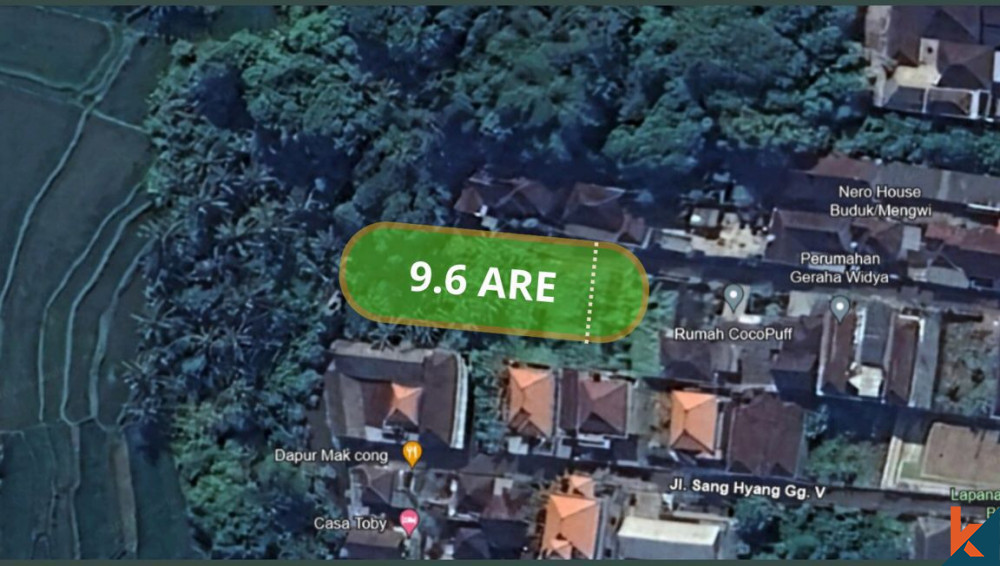 960 m²15 min$ 91034Bali, Mengwi
 515 m²7 min$ 570813Bali, Canggu
 1362 m²15 min$ 335468Bali, Tumbak
 2700 m²30 min$ 314224Bali, Sidemen
 5028 m²10 min$ 361000Bali, Ubud
 700 m²20 min$ 90517Bali, Cepaka
 615 m²15 min$ 113608Bali, Tabanan
Essential Bali build & buy guides
- Bali villa construction cost per m² in 2026
- How much will your villa cost? Calculator
- Building a villa in Bali: the complete guide
- Buying land in Bali: step-by-step for foreigners
- Bali villa investment: yields, risks, returns
- Leasehold vs freehold: what foreigners can own
- Construction defect liability & 10-year warranty
- Bali building codes and construction standards
Related guides

Why a Cheap Bali Leasehold Is Cheap: Pricing Red Flags Every Buyer Should Decode
Suspiciously cheap Bali leaseholds are priced low for a reason: short remaining terms, forbidden zoning, missing road access, disputes or weak contracts. How to decode the discount before you pay for it.
8 min read
Fake Compliance and Licensing Agents in Bali: The 2026 Paperwork Scam and How to Verify Documents
Forged certificates, permit fixers and fake notaries: how Bali's paperwork scams work in 2026 and how to verify every property document at its government source.
7 min read
Buying a Bali Villa from Instagram: Phantom Listings, Render-Only Projects and How to Verify
Instagram is Bali's biggest property shop window and its least verified. How phantom listings, render-only projects and cloned developer accounts work — and the verification steps that expose them.
7 min read