Visas and Bali Property: What Ownership Does and Does Not Give You
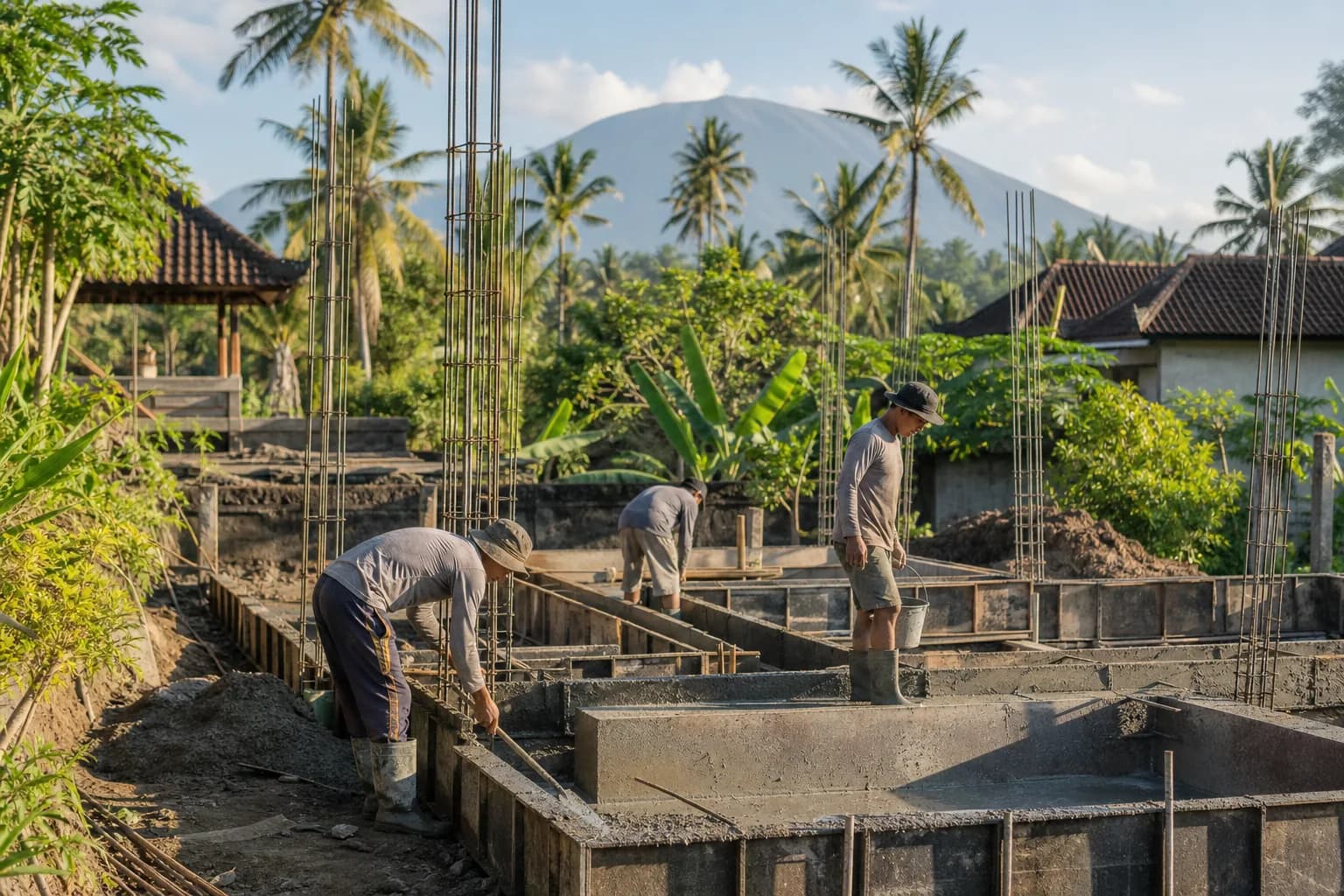
One of the most persistent myths in the Bali market is that buying a villa comes with the right to live in it. It does not. Indonesia has no automatic residency-by-property scheme for a typical villa purchase, and any agent implying that a leasehold deal includes a visa is either confused or selling. The real Bali investor visa property picture in 2026 involves two main long-stay pathways — the investor KITAS and the second-home visa — and property plays a different, limited role in each. This guide explains what ownership actually gives you, what it does not, and how to plan a purchase or build alongside a visa strategy.
A necessary caveat up front: Indonesian immigration rules change frequently and are applied through evolving regulations. Treat everything below as the 2026 landscape to verify with a licensed visa agent or immigration lawyer before you commit money to a structure.
The core principle: property and residency are separate systems
Indonesian land law determines what you can hold (leasehold agreements, or HGB/Hak Pakai titles through proper structures). Immigration law determines how long you can stay. The two systems barely touch. Concretely:
- A leasehold villa — the standard foreign holding, typically 25–30 years and extendable — gives you a contractual right to the property, and no immigration status whatsoever.
- You can own Bali property while living abroad and visiting on ordinary tourist entries; thousands of owners do exactly this, managing their asset remotely.
- Conversely, you can hold a long-stay visa with no property at all.
Where the systems do touch: company-held property can support an investor KITAS through the company, and very high-value property can support a second-home visa. Both are narrower than marketing suggests, as the next sections show.
Pathway 1: the investor KITAS (E28A)
The investor KITAS is a limited-stay permit sponsored by an Indonesian foreign-investment company (PT PMA) in which you personally hold shares. It is the standard route for people running a real business in Bali — including a villa rental business held through a company.
The essentials as they stand in 2026:
- You need a PT PMA. The visa is tied to shareholding in the company, not to any real estate directly. The company must be properly established with the required investment plan and licensing for its business activities.
- The personal shareholding threshold is high. Current practice requires the individual applicant to hold IDR 10 billion (roughly USD 600,000-plus at recent exchange rates) in shares of the sponsoring company — an immigration-side requirement layered on top of the company's own capital rules. Verify the current figure with your agent; this threshold has moved before and structures are assessed at application time.
- Validity is typically one or two years, renewable. The two-year version reduces renewal overhead. Long-term continuous stay can eventually open the path toward permanent-stay status, subject to conditions.
- It permits managing your own company — not general work. You may act as director or commissioner, oversee operations and finances, without a separate work permit. It does not license freelancing or employment for other companies.
- Family can follow. Spouses and children can obtain dependent permits tied to yours.
Where property fits: if your PT PMA legitimately runs villas — holding building titles, operating rentals with proper licensing — the company can both hold the asset and sponsor your stay. That is a genuine, coherent structure for someone building a rental business. What it is not: a paperwork trick to convert one lifestyle villa into a visa. The company must be real, capitalised and compliant, and regulators in Bali have been tightening scrutiny of shell-like setups; in 2026 provincial authorities have also moved to restrict new company registrations in some low-barrier sectors, so check the current registration landscape with a corporate advisor before assuming a quick setup.
Pathway 2: the second-home visa (E33 family)
The second-home visa is Indonesia's long-stay route for financially independent people who want residence without running a business. The 2026 essentials:
- Duration: five or ten years of stay, without a local sponsor and without annual renewals.
- The standard qualification is money on deposit, commonly quoted at IDR 2 billion (around USD 130,000) held in your own account at an Indonesian state-owned bank for the visa's duration. The funds remain yours and earn interest, but they are committed while the visa runs.
- The property alternative exists but is narrow: qualifying through real estate currently requires high-value property (figures around USD 1 million are quoted) held under an appropriate title such as Hak Pakai — parameters that exclude the typical leasehold villa purchase entirely. If a seller claims their $300k villa qualifies you, they are wrong.
- No work rights. This is a residence visa, not a work permit.
For most villa owners the realistic reading is: the second-home visa is funded by your deposit, not your villa. The villa is a separate decision. Related 'golden visa' investor categories also exist with their own tiers and thresholds — if you are investing at serious scale, have an immigration lawyer map the current options rather than relying on blog-level summaries, including this one.
What most owners actually do
Matching structure to intent saves money and grief:
| Your situation | Typical structure | Visa reality |
|---|---|---|
| Investment property, you live abroad | Personal leasehold; remote management | No visa needed; visit on tourist entries; buy and build remotely via Power of Attorney |
| Part-year lifestyle use | Personal leasehold | Tourist entries or longer visit visas for stays; no residency from the villa itself |
| Full relocation, financially independent | Leasehold villa + separate E33 qualification (deposit) | 5–10 year second-home stay; villa is independent of the visa |
| Building a rental business | PT PMA holding/operating villas | Investor KITAS via personal shareholding in the company |
Note the thread running through the table: in every case the property decision stands on its own legal feet — vetted land, clean certificate, zoning/ITR confirmation, proper contracts. Teville lists 100+ legally vetted leasehold plots at /lands/, and purchases can be completed remotely via Power of Attorney, which is precisely why no visa is required to buy or build. More legal explainers live in our guides.
Planning a build alongside a visa strategy
If you are building rather than buying, the timeline works in your favour. Most Teville projects complete in 8–16 months with milestone-based payments, and the entire process — land selection, permits, construction, turnkey furnished delivery — runs without your physical presence. Practical sequencing that works for many owners:
- Secure land and start the build first. Neither requires immigration status. Use the villa cost calculator to fix your budget early.
- Run the visa process in parallel, not as a blocker. A second-home application or PT PMA setup can proceed during construction, so residence and villa become ready on similar timelines.
- Choose the holding structure before signing, not after. Moving a property between personal and company holding later is costly. If an investor-KITAS business structure is plausible for you, decide up front with proper advice.
- Keep visa promises out of property contracts. Any deal where the seller bundles 'guaranteed residency' into the price deserves extra scrutiny of everything else in it.
Red flags and honest limits
- 'Buy this villa, get a KITAS.' No standard villa purchase grants a visa. Ask exactly which visa, under exactly which qualification — the answer usually dissolves.
- Nominee shortcuts to freehold plus visa schemes. Structures built on Indonesian nominees holding land for foreigners are illegal and increasingly enforced against. No visa fixes a void ownership structure.
- Shelf PT PMAs sold as visa vehicles. A company that exists only on paper invites problems at renewal time and beyond. If you would not run the business anyway, the investor route is the wrong one.
- Static advice. Thresholds, indexes and category names have all changed in recent years. Verify current requirements with a licensed agent at decision time — including everything in this article.
How Teville fits in
Teville handles the property side — vetted land, architecture, permits, milestone-based construction and turnkey delivery with a lifetime structural guarantee, all manageable fully remotely — and works alongside your visa or legal advisors rather than replacing them. If you are structuring a purchase or build around a relocation or investment plan, talk to us early so the property structure and your immigration strategy are designed together, and learn more about how we work at /about/.
If you are weighing the numbers, our villa cost calculator gives an instant range based on real 2026 build rates, the land catalog lists legally vetted leasehold plots, and the villa concepts show what different budgets actually buy. More practical guides live in the Bali construction library.
FAQ: visas and Bali property
Does buying a villa in Bali give me residency?
No. A standard leasehold villa purchase carries no immigration status. Residency comes from separate visa pathways: the investor KITAS (through substantial shareholding in a real Indonesian company) or the second-home visa (through a significant bank deposit, or in narrow cases very high-value property). You can own and even build property in Bali with no visa at all, managing everything remotely.
Can my villa rental business sponsor an investor KITAS?
Potentially, yes — if the villas are held and operated through a properly established PT PMA and you personally hold the required shareholding, currently understood to be IDR 10 billion in shares. The company must be genuinely capitalised, licensed and operating. This suits people building an actual rental business, not owners of a single lifestyle villa seeking a paperwork shortcut. Verify current thresholds with a licensed agent.
How does the second-home visa work in 2026?
The E33-family second-home visa grants five or ten years of stay without a sponsor. The standard qualification is funds — commonly quoted at IDR 2 billion, roughly USD 130,000 — held in your own account at an Indonesian state-owned bank. A property-based qualification exists but requires high-value property under appropriate title, which a typical leasehold villa does not satisfy. It grants residence, not work rights.
Do I need to be in Indonesia to buy land or build?
No. Land purchases can be completed remotely via Power of Attorney, with the notary process handled locally, and construction can be managed entirely from abroad with milestone-based payments and regular reporting. Many owners complete their entire project — plot selection through turnkey furnished handover — before ever needing to consider a long-stay visa.
Essential Bali build & buy guides
- Bali villa construction cost per m² in 2026
- How much will your villa cost? Calculator
- Building a villa in Bali: the complete guide
- Buying land in Bali: step-by-step for foreigners
- Bali villa investment: yields, risks, returns
- Leasehold vs freehold: what foreigners can own
- Construction defect liability & 10-year warranty
- Bali building codes and construction standards
Related guides
Bali Property Contracts and Indonesian Language Law: Dual-Language Pitfalls That Void Deals
Indonesian law requires property agreements with Indonesian parties to exist in Indonesian — and the two language versions can quietly diverge. What the language law demands in 2026, the real court history, and the dual-language pitfalls that damage Bali deals.
8 min read
Bali Land Certificates Decoded: SHM, HGB, Hak Pakai and Girik Explained for Buyers
A buyer's decoder for Bali land certificates: what SHM, HGB, Hak Pakai and girik actually mean, why girik lost standalone legal force in February 2026, and how to verify a title before you commit.
9 min read
Inheritance of Bali Property for Foreigners: Leasehold, PT PMA Shares and Wills
What happens to your Bali villa when you die: why a leasehold passes to heirs only if the deed says so, how PT PMA shares are inherited, the one-year rule for foreign heirs of freehold land, and the Indonesian notarial will that makes it all work.
7 min read