Jimbaran Bay Rebar Protection: Salt Corrosion Standards Costs B
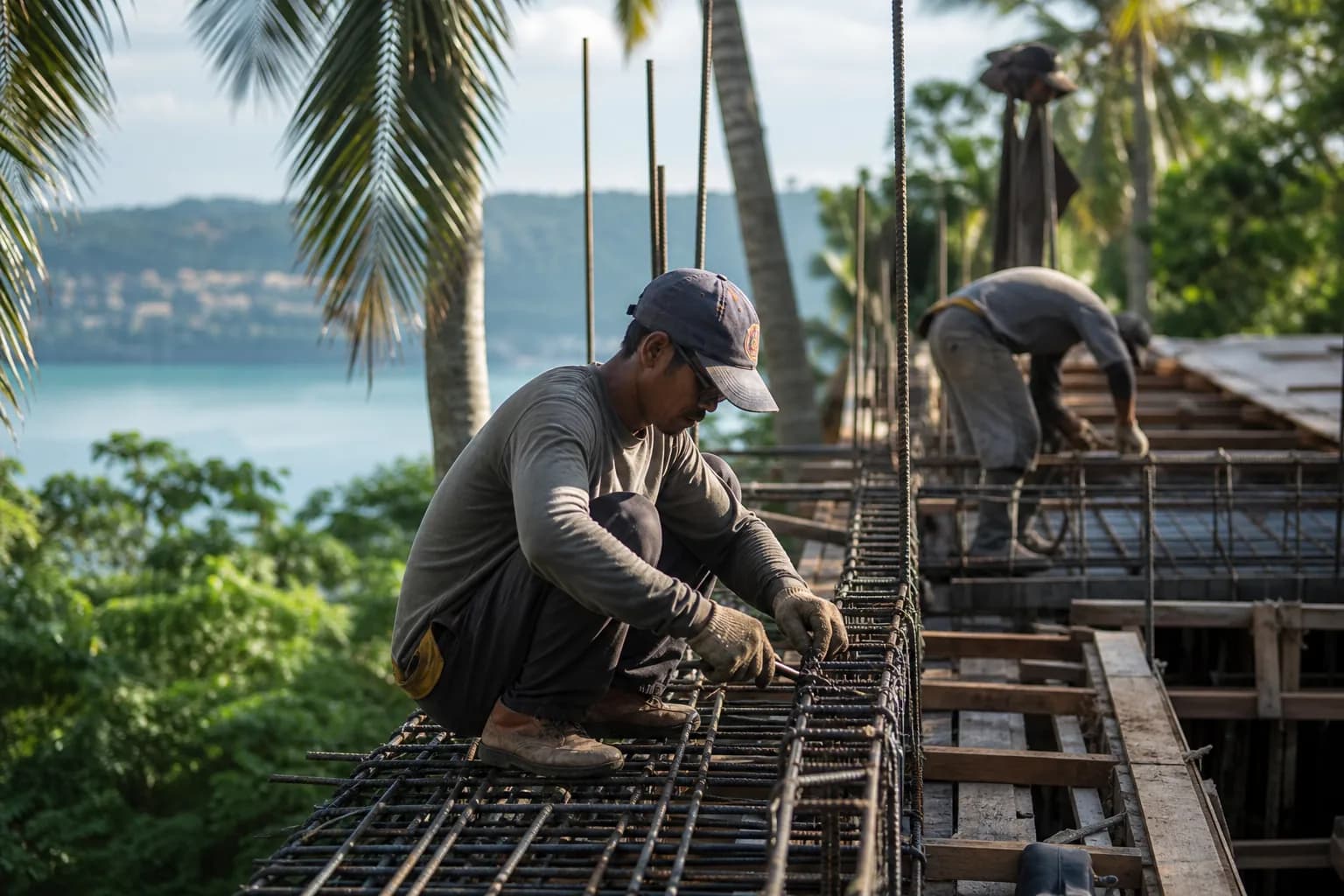
The Jimbaran Bay Corrosion Challenge: Why Standard Rebar Fails Within 8 Years
Jimbaran Bay’s proximity to the Indian Ocean creates one of Bali’s most aggressive corrosion environments for reinforced concrete structures. Properties within 500 meters of the coastline face chloride ion concentrations exceeding 0.4% by concrete weight—four times the threshold where standard rebar begins active corrosion. The engineering reality: villas built with conventional Grade 40 rebar and standard concrete mixes in Jimbaran’s coastal zone show visible rust staining within 3-5 years and structural degradation requiring major remediation by year 8-12. This isn’t theoretical risk—it’s documented performance data from existing Jimbaran properties where owners face USD $45,000-$85,000 in unexpected structural repairs before their first decade of ownership ends. The question isn’t whether salt corrosion will occur, but whether your construction specification prevents it from becoming a structural and financial liability.
Technical Deep Dive: Jimbaran Bay’s Corrosion Mechanism and Engineering Response
Jimbaran Bay’s corrosion environment operates through three simultaneous attack vectors that distinguish it from inland Bali locations. First, airborne chloride deposition from sea spray reaches 150-300 mg/m²/day within the first 300 meters from the shoreline, compared to less than 20 mg/m²/day in Ubud or Canggu’s inland areas. Second, the bay’s microclimate maintains 75-85% relative humidity year-round, keeping concrete in the critical moisture range where electrochemical corrosion proceeds at maximum rate. Third, Jimbaran’s sandy soil has minimal buffering capacity, allowing groundwater chloride infiltration through foundation systems that lack proper waterproofing membranes.
The corrosion process begins when chloride ions penetrate concrete cover and reach the rebar surface. Standard concrete with 0.45-0.50 water-cement ratio allows chloride penetration of 15-25mm per year in Jimbaran’s exposure conditions. Once chloride concentration at the rebar surface exceeds the critical threshold (typically 0.4% by cement weight), the passive oxide layer protecting steel breaks down. Active corrosion produces iron oxide (rust) with 2-6 times the volume of original steel, generating expansive forces of 15-20 MPa that crack concrete cover. These cracks accelerate further chloride ingress, creating a self-reinforcing degradation cycle.
Engineering-grade corrosion protection for Jimbaran Bay construction requires a multi-barrier approach aligned with ACI 318 Chapter 20 (structural concrete in severe exposure) and ISO 12944 Category C5-M (marine high corrosivity). The primary defense is concrete quality: minimum 35 MPa compressive strength, maximum 0.40 water-cement ratio, and minimum 50mm cover to rebar for beams/columns, 60mm for foundations in direct ground contact. This specification alone reduces chloride penetration rate by 60-70% compared to standard Indonesian construction practice.
Rebar protection standards for Jimbaran coastal properties should specify one of three proven systems. Option one: epoxy-coated rebar (ASTM A775) providing a 200-300 micron polymer barrier that blocks chloride contact even if concrete cracks. This system adds 18-22% to rebar material cost but extends service life from 8-12 years to 35-50 years in Jimbaran conditions. Option two: stainless steel rebar (Grade 316L minimum) with inherent corrosion resistance 10-15 times greater than carbon steel. Material cost increases 4-5x, but eliminates corrosion as a failure mode for the structure’s design life. Option three: galvanized rebar (ASTM A767) with zinc coating providing sacrificial protection, suitable for moderate exposure areas beyond 300 meters from shoreline.
Concrete mix design for Jimbaran Bay requires supplementary cementitious materials (SCMs) that densify the concrete matrix and bind chlorides chemically. Optimal specifications include 8-12% silica fume or 25-35% fly ash replacement of Portland cement, reducing permeability by 40-60%. The addition of crystalline waterproofing admixtures (Xypex, Penetron, or equivalent) creates a secondary barrier by sealing capillary pathways. These admixtures add USD $8-12 per cubic meter but provide measurable reduction in chloride diffusion coefficient from 12-15 × 10⁻¹² m²/s to 3-5 × 10⁻¹² m²/s.
Surface protection systems form the final barrier. Penetrating silane/siloxane sealers applied to all exposed concrete surfaces reduce water absorption by 85-95% while remaining vapor-permeable. Application cost ranges USD $4-7 per square meter with reapplication every 5-7 years. For pool structures and water features in direct contact with chlorinated or salt water, cementitious capillary crystalline waterproofing membranes (applied thickness 2-3mm) provide Class A waterproofing per ASTM E96.
Hidden Risks: What Property Buyers Miss in Jimbaran Bay Construction Specifications
The most critical oversight in Jimbaran Bay property purchases is the absence of corrosion protection specifications in construction contracts. Standard Indonesian construction agreements reference SNI 2847 (Indonesian concrete code) but don’t specify the enhanced requirements for marine exposure environments. Buyers reviewing architectural drawings see rebar callouts but can’t distinguish between standard Grade 40 carbon steel and epoxy-coated or stainless alternatives—yet this specification difference represents a 35-year variance in structural service life.
Second major risk: inadequate concrete cover depth. Indonesian standard practice uses 20-30mm cover for beams and columns, sufficient for inland locations but catastrophically inadequate for Jimbaran’s chloride exposure. Buyers lack the technical knowledge to verify cover depth during construction, and post-construction verification requires destructive testing. Properties built with insufficient cover show rust staining within 36-48 months, but the structural damage is already progressing beneath the surface.
Third hidden issue: construction joint detailing and waterproofing continuity. Jimbaran properties typically feature complex geometries with infinity pools, basement levels, and cantilevered structures. Each construction joint, penetration, and interface represents a potential chloride ingress pathway. Standard construction doesn’t include hydrophilic waterstops at foundation joints, PVC waterstops at pool walls, or proper detailing of rebar continuity through joints. These omissions create localized corrosion cells that compromise structural integrity decades before general corrosion becomes visible.
The fourth risk involves post-construction maintenance specifications. Buyers receive completed villas without corrosion monitoring protocols, surface sealer reapplication schedules, or structural inspection intervals. Jimbaran’s corrosion environment requires active management—annual visual inspections, half-cell potential testing every 3-5 years, and chloride content testing if distress appears. Without these protocols, owners discover problems only after repair costs exceed preventive maintenance by 10-15x.
Step-by-Step Process: Implementing Corrosion Protection in Jimbaran Bay Construction
Step 1: Site-Specific Corrosion Risk Assessment (Pre-Design Phase)
Before architectural design begins, conduct environmental exposure classification per ACI 318 Table 19.3.1.1. For Jimbaran Bay properties, document distance from shoreline, prevailing wind direction, elevation above sea level, and groundwater chloride content. Properties within 300 meters of the beach require XS3 exposure classification (cyclic wet/dry with seawater); 300-800 meters require XS2 (permanently submerged); beyond 800 meters may qualify for XS1 (airborne salt only). This classification drives all subsequent material specifications. Teville’s site assessment process includes chloride deposition monitoring and soil resistivity testing to establish baseline corrosion risk parameters.
Step 2: Structural Engineering with Marine-Grade Specifications
Engage structural engineers experienced in tropical marine construction to develop specifications that exceed Indonesian minimum standards. For Jimbaran coastal properties, specify: concrete minimum 35 MPa (K-400), maximum w/c ratio 0.40, minimum cement content 380 kg/m³, SCM inclusion (silica fume 8-10% or fly ash 25-30%), crystalline waterproofing admixture, and slump not exceeding 120mm to ensure proper consolidation. Rebar specifications must explicitly call out epoxy-coated (ASTM A775) or stainless steel (316L) for all structural elements within 500 meters of shoreline. Cover depth: 50mm minimum for beams/columns, 60mm for foundations, 75mm for elements in direct seawater contact.
Step 3: Material Procurement and Quality Verification
Corrosion-resistant materials require careful sourcing in Bali’s construction market. Epoxy-coated rebar is not standard stock—lead time 4-6 weeks from Jakarta or direct import. Verify coating thickness (200-300 microns) and conduct bend tests per ASTM A775 to ensure coating adhesion. Stainless steel rebar requires mill certificates confirming 316L grade with minimum 16% chromium, 10% nickel, 2% molybdenum. Concrete admixtures must include manufacturer’s technical data sheets and batch-specific quality certificates. Teville’s procurement process includes third-party material testing at accredited laboratories before materials reach the construction site.
Step 4: Construction Execution with Quality Control Protocols
Corrosion protection effectiveness depends entirely on construction quality. Implement mandatory protocols: rebar placement inspection before concrete pour verifying cover depth with calibrated spacers; concrete slump testing every truck (reject batches exceeding 120mm); cylinder sampling for 7-day and 28-day strength testing; vibration consolidation eliminating honeycomb voids that accelerate chloride penetration. For critical elements (pool structures, basement walls, foundations), conduct cover meter surveys post-pour to verify actual cover depth matches specifications. Any areas with less than specified cover require remediation before proceeding.
Step 5: Surface Protection and Long-Term Maintenance Planning
After concrete curing (minimum 28 days), apply penetrating silane/siloxane sealer to all exposed surfaces per manufacturer specifications (typically two coats at 0.15-0.20 L/m² per coat). For pool structures, apply cementitious crystalline waterproofing membrane to all water-contact surfaces. Document all protection systems in the property’s maintenance manual with reapplication schedules: sealer renewal every 5-7 years, visual inspections annually, half-cell potential testing every 5 years. Establish relationship with qualified inspection firm for ongoing corrosion monitoring. This proactive approach prevents the reactive crisis repairs that plague Jimbaran properties built without proper specifications.
Realistic Cost Analysis: Jimbaran Bay Corrosion Protection Investment
Corrosion protection for a typical 300 m² Jimbaran Bay villa (two-story, infinity pool, 150 m² footprint) adds USD $18,000-$32,000 to base construction cost, representing 4-6% premium on a USD $450,000-$550,000 total build. This breaks down as follows: epoxy-coated rebar adds USD $8,500-$12,000 over standard rebar (approximately 22% material premium on 4,500-5,500 kg total rebar); marine-grade concrete specification (reduced w/c ratio, SCM addition, waterproofing admixtures) adds USD $4,200-$6,800 (approximately USD $35-45 per cubic meter premium on 120-150 m³ total concrete); surface protection systems add USD $3,800-$5,500 (silane sealer, crystalline waterproofing for pool); enhanced quality control and testing adds USD $1,500-$2,200.
Alternative specification using stainless steel rebar for critical elements (pool structure, ground-floor columns, foundations) with epoxy-coated rebar for upper floors increases cost to USD $35,000-$48,000 premium but extends service life to 75+ years with near-zero corrosion risk. This hybrid approach represents optimal value for ultra-high-end Jimbaran properties where long-term structural integrity justifies initial investment.
The financial comparison becomes clear when considering remediation costs. Jimbaran properties built with standard specifications requiring structural repair at year 10-12 face costs of USD $45,000-$85,000 for rebar replacement in affected areas (typically pool structures, ground-floor columns, exposed beams). This remediation requires occupant relocation, demolition of finishes, concrete removal, rebar replacement, reconstruction, and refinishing—with 8-12 week timeline and significant disruption. The corrosion protection premium of USD $18,000-$32,000 represents 35-70% cost avoidance with zero disruption over the property’s first 15-20 years.
Frequently Asked Questions: Jimbaran Bay Corrosion Protection
How far from Jimbaran Beach does salt corrosion remain a critical concern?
Severe corrosion risk extends 300-500 meters from the Jimbaran Bay shoreline where airborne chloride deposition exceeds 150 mg/m²/day and concrete structures require XS3 exposure classification with full marine-grade specifications. Moderate risk continues to 800-1,000 meters where enhanced concrete quality and increased cover depth provide adequate protection without requiring epoxy-coated rebar. Beyond 1,000 meters, standard tropical construction specifications with proper concrete quality (minimum 30 MPa, 0.45 w/c ratio, 40mm cover) provide acceptable service life. However, properties with direct ocean views typically fall within the high-risk zone regardless of distance due to elevated exposure and prevailing wind patterns. Site-specific assessment considering microclimate, elevation, and wind exposure determines actual risk level more accurately than distance alone.
Can existing Jimbaran properties be retrofitted with corrosion protection?
Existing structures showing early corrosion signs (rust staining, minor cracking) can receive protective treatment through cathodic protection systems, corrosion inhibitor injection, or surface-applied barriers, but effectiveness is limited compared to proper initial specification. Impressed current cathodic protection (ICCP) systems can arrest active corrosion by applying electrical current that reverses the electrochemical corrosion process—installation cost USD $180-$280 per linear meter of protected element with ongoing power consumption and maintenance. Migrating corrosion inhibitor injection (calcium nitrite or amino alcohol-base
 2144 m²11 month(s)from 104.000 USD
Narayana
 3180 m²7 month(s)from 142.000 USD
Vasudeva
 3124 m²6 month(s)from 123.000 USD
TALA 8
 164 m²7 month(s)from 79.000 USD
TALA TWO
 3127 m²9 month(s)from 177.000 USD
Mukunda
 172 m²8 month(s)from 120.000 USD
Keshava
 3173 m²6 month(s)from 125.000 USD
TALA FOUR
 4344 m²16 month(s)from 290.000 USD
Radha
164 m²7 month(s)from 79.000 USDPrivate: Haridas Villas, Tegallalang
 1from 198.000 USD
Private: Haridas Villas

Want to calculate?
 3104 m²11 month(s)from 99.000 USD
TALA 100
Start With Real Numbers, Not Guesses
Before buying land or finalizing a design, check the realistic build cost range for your project in Bali.
Our team reviews your inputs and gives a grounded estimate.
Available lands
 585 m²8 min$ 165702Bali, Mengwi
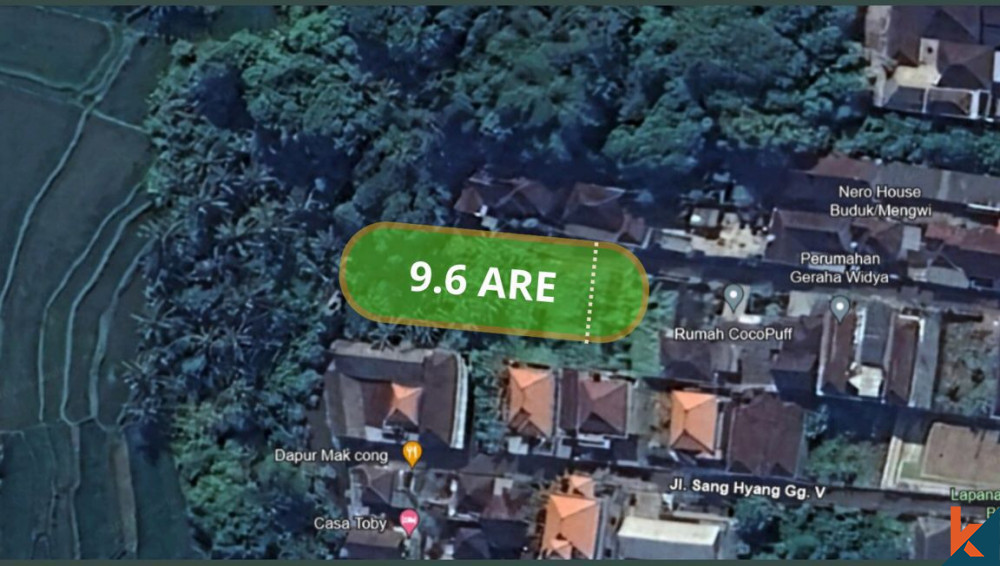 960 m²15 min$ 91034Bali, Mengwi
 220 m²2 min$ 66565Bali, Cemagi
 1720 m²2 min$ 241478Bali, Tabanan
 1000 m²5 min$ 350431Bali, Drupadi
 1430 m²5 min$ 209862Bali, Klungkung
 2000 m²15 min$ 523000Bali, Canggu
 500 m²10 min$ 107143Bali, Tabanan
 3000 m²15 min$ 1246921Bali, Tabanan
 2000 m²10 min$ 243842Bali, Mengwi
 8313 m²15 min$ 716670Bali, Buduk
 200 m²11 min$ 89286Bali, Tabanan
 1350 m²5 min$ 283467Bali, Pecatu
 2800 m²2 min$ 713793Bali, Kedungu
 444 m²10 min$ 111000Bali, Tabanan
Essential Bali build & buy guides
- Bali villa construction cost per m² in 2026
- How much will your villa cost? Calculator
- Building a villa in Bali: the complete guide
- Buying land in Bali: step-by-step for foreigners
- Bali villa investment: yields, risks, returns
- Leasehold vs freehold: what foreigners can own
- Construction defect liability & 10-year warranty
- Bali building codes and construction standards
Related guides
Bali Property Contracts and Indonesian Language Law: Dual-Language Pitfalls That Void Deals
Indonesian law requires property agreements with Indonesian parties to exist in Indonesian — and the two language versions can quietly diverge. What the language law demands in 2026, the real court history, and the dual-language pitfalls that damage Bali deals.
8 min read
Bali Land Certificates Decoded: SHM, HGB, Hak Pakai and Girik Explained for Buyers
A buyer's decoder for Bali land certificates: what SHM, HGB, Hak Pakai and girik actually mean, why girik lost standalone legal force in February 2026, and how to verify a title before you commit.
9 min read
Inheritance of Bali Property for Foreigners: Leasehold, PT PMA Shares and Wills
What happens to your Bali villa when you die: why a leasehold passes to heirs only if the deed says so, how PT PMA shares are inherited, the one-year rule for foreign heirs of freehold land, and the Indonesian notarial will that makes it all work.
7 min read