Ubud Bamboo Structure Permits Fire Ratings Bali
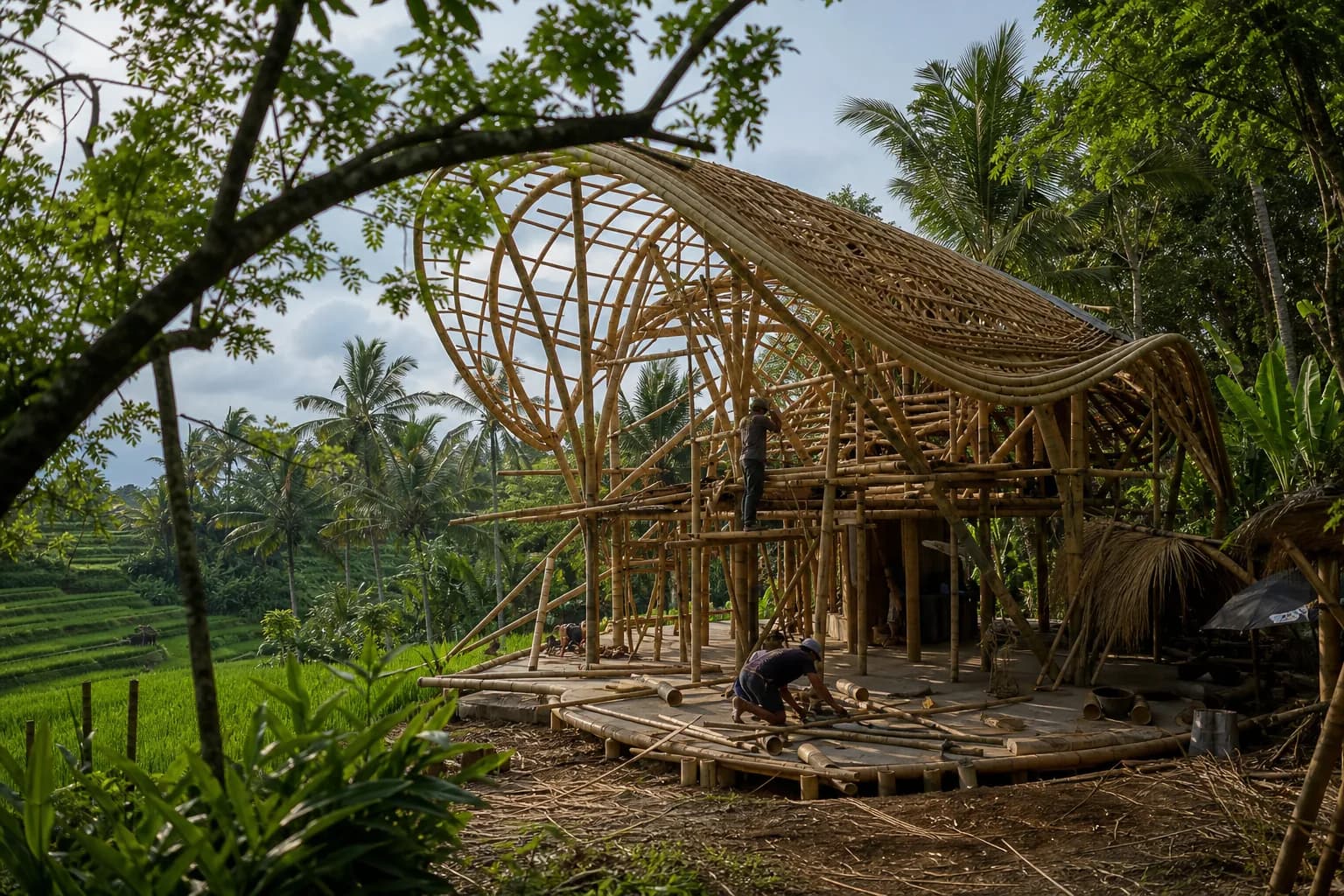
The Bamboo Villa Insurance Dilemma: Why Ubud’s Most Beautiful Structures Face Permit and Coverage Challenges
Bamboo architecture has become synonymous with Ubud’s eco-luxury aesthetic, but behind the Instagram-worthy curves lies a complex regulatory reality. Property owners discover too late that their bamboo structure—despite costing $150,000-$400,000 to build—cannot secure standard insurance coverage or faces rejection during the SLF (Sertifikat Laik Fungsi) inspection process. The core issue: Indonesia’s building codes were written for concrete and steel, not organic structural materials. Fire rating classifications for bamboo don’t align with conventional insurance underwriting models, and Gianyar Regency’s permit authorities require additional engineering documentation that most bamboo builders cannot provide. This creates a three-way problem: permits that take 8-14 months instead of 4-6, insurance premiums 40-85% higher than comparable concrete villas, and resale complications when buyers’ lenders refuse to finance “non-standard construction.” Understanding the specific permit pathway, fire performance testing requirements, and insurance underwriting criteria for bamboo structures in Ubud is essential before committing to this construction method.
Technical Requirements: Fire Rating Standards and Structural Classification for Bamboo in Bali
Bamboo structures in Bali fall under a regulatory gray zone between temporary pavilions (which require minimal permits) and permanent residential buildings (which must meet SNI—Standar Nasional Indonesia—structural codes). The critical distinction occurs at the PBG (Persetujuan Bangunan Gedung) application stage, where the structure must be classified for fire safety purposes.
Fire Rating Classification Framework
Indonesian building regulations recognize four fire resistance categories based on SNI 03-1735-2000 and updated guidelines. Concrete and steel structures typically achieve 60-120 minute fire ratings. Untreated bamboo, classified as combustible organic material, has an inherent fire resistance of approximately 8-15 minutes before structural failure—similar to untreated timber but with faster flame spread due to hollow culm geometry and lower density.
However, treated bamboo can achieve significantly improved performance. Boron-based preservative treatments (commonly used in Bali) provide insect and fungal resistance but minimal fire protection. Fire-retardant treatments using ammonium phosphate or proprietary intumescent coatings can extend fire resistance to 30-45 minutes, approaching the lower threshold for residential construction. The challenge: these treatments must be certified through testing at facilities like BPPT (Badan Pengkajian dan Penerapan Teknologi) in Jakarta, and most bamboo suppliers in Ubud cannot provide this documentation.
Structural Engineering Documentation Requirements
For PBG approval in Gianyar Regency (which governs Ubud), bamboo structures over 100 square meters or two stories require stamped calculations from a licensed structural engineer (SIPIL). This presents immediate complications: Indonesian engineering curricula focus on concrete and steel design, and few engineers have expertise in bamboo structural analysis. The required documentation includes:
- Load-bearing capacity calculations for each bamboo species used (Dendrocalamus asper has different properties than Bambusa blumeana)
- Connection detail engineering—critical because bamboo joints are the primary failure points, not the culms themselves
- Deflection analysis under tropical wind loads (Bali experiences 80-120 km/h gusts during monsoon season)
- Seismic performance modeling (Bali is Zone 4 seismic risk, requiring ductility calculations)
- Moisture movement projections (bamboo expands/contracts 2-4% with humidity changes, affecting structural integrity)
Most bamboo builders in Ubud work from experiential knowledge rather than engineered drawings. This creates permit rejection cycles where applications are returned for “insufficient technical documentation,” adding 3-6 months to the approval timeline. At Teville’s engineering-driven process, we collaborate with structural engineers experienced in alternative materials to produce the calculation packages permit authorities require, but this adds $4,500-$8,000 to pre-construction costs compared to standard concrete villa documentation.
Insurance Underwriting Criteria and Fire Risk Assessment
Indonesian insurance companies (and international underwriters covering Bali properties) assess fire risk using construction type classifications. Bamboo structures typically fall into “Class 3” or “non-standard construction” categories, triggering three underwriting responses:
Premium Loading: Base premiums for concrete villas in Ubud range from 0.15-0.25% of insured value annually. Bamboo structures face premiums of 0.35-0.65% due to perceived fire risk—a $250,000 bamboo villa might cost $1,625/year to insure versus $625 for equivalent concrete construction.
Coverage Limitations: Many policies exclude or limit coverage for “organic structural materials.” This means the bamboo framework itself may not be covered for fire damage, only contents and non-structural elements. Some underwriters require separate “builder’s risk” policies during construction that don’t convert to standard homeowner coverage afterward.
Survey Requirements: Insurance companies mandate pre-coverage inspections focusing on fire separation distances (bamboo structures must be 8-12 meters from other buildings versus 5-8 meters for concrete), fire suppression systems (sprinklers or extensive extinguisher placement), and electrical installation quality (faulty wiring is the primary fire cause in Bali bamboo structures).
The insurance challenge intensifies for leasehold properties. Many leaseholders discover that their land lease agreement requires “permanent construction” for insurance purposes, and insurers classify bamboo as “semi-permanent” with a 15-25 year lifespan versus 50+ years for concrete. This creates coverage gaps where neither the leaseholder’s property insurance nor the landowner’s liability policy adequately covers the structure.
Hidden Risks: What Bamboo Villa Buyers Discover After Construction
The romantic appeal of bamboo architecture obscures several operational realities that emerge post-construction. The most financially significant: maintenance-driven insurance exclusions. Insurance policies for bamboo structures typically include clauses requiring annual treatment reapplication and structural inspections. Miss a treatment cycle, and coverage can be voided. Treatment costs run $2,800-$5,500 annually for a 200-square-meter bamboo villa—an ongoing expense concrete owners don’t face.
SLF certification complications represent another hidden barrier. The SLF (building function worthiness certificate) requires renewal every 5 years for residential structures. Bamboo buildings face more rigorous inspections because inspectors must verify that structural bamboo hasn’t degraded beyond safe limits. If moisture damage or insect infestation has compromised load-bearing members, the SLF can be denied, rendering the property legally uninhabitable until repairs are completed. We’ve documented cases where SLF renewal required replacing 30-40% of structural bamboo at costs of $35,000-$60,000—expenses that weren’t anticipated in the original construction budget.
Resale valuation challenges emerge when owners attempt to sell. Bank appraisers struggle to value bamboo structures because comparable sales data is limited and depreciation schedules are unclear. Most Indonesian banks won’t provide mortgages for bamboo construction, limiting the buyer pool to cash purchasers. This typically reduces resale values by 20-35% compared to equivalent concrete villas in the same location. Properties listed at $450,000 might realistically sell for $290,000-$360,000 due to financing limitations alone.
The permit pathway itself contains a trap: some builders obtain permits for “temporary pavilions” or “gazebos” to avoid the full PBG process, then construct what is effectively a residential villa. This saves 6-12 months and $8,000-$15,000 in permit costs initially, but creates catastrophic problems later. Insurance companies will deny claims if the structure’s actual use doesn’t match its permitted classification. During due diligence for property sales, buyers’ attorneys identify the permit mismatch, either killing the transaction or forcing price reductions of 40-60% to compensate for the legal risk.
Step-by-Step Process: Securing Compliant Permits and Insurance for Ubud Bamboo Structures
Phase 1: Pre-Design Fire Safety and Insurance Feasibility (Weeks 1-3)
Before finalizing bamboo as your construction method, conduct insurance feasibility research. Contact 3-4 Indonesian insurance providers (Asuransi Sinar Mas, ACA, Chubb Indonesia) with preliminary building specifications: square meters, number of stories, bamboo species, and location. Request written quotes including specific coverage terms for structural bamboo. Simultaneously, consult with a structural engineer experienced in bamboo to determine if your design can meet fire rating requirements for full PBG approval. This front-end research costs $800-$1,500 but prevents discovering insurability problems after spending $200,000 on construction.
Phase 2: Engineering Documentation and Fire Treatment Specification (Weeks 4-10)
Engage a licensed SIPIL engineer to develop structural calculations specific to your bamboo species and design. This must include connection engineering (bolted versus lashed joints have different load capacities), foundation interface details (bamboo columns require different base connections than concrete), and seismic performance modeling. Specify fire-retardant treatment requirements in construction documents, and identify suppliers who can provide treatment certification. In Ubud, only 2-3 bamboo suppliers can provide BPPT-certified fire treatment documentation—this limits material sourcing but is essential for permit approval. Budget 8-12 weeks for engineering documentation development, longer if the engineer is unfamiliar with bamboo structural properties.
Phase 3: PBG Application with Fire Safety Addendum (Weeks 11-18)
Submit PBG application to Gianyar Regency’s DPMPTSP office with complete engineering documentation, fire treatment specifications, and a fire safety management plan. The plan should detail fire separation distances, suppression equipment locations, and emergency egress routes. Include a letter from your insurance provider confirming insurability subject to permit approval—this demonstrates to permit authorities that the structure meets commercial risk standards. Expect 2-3 rounds of technical questions from permit reviewers. Response time improves significantly if you work with a permit consultant (jasa pengurusan izin) familiar with bamboo structure applications; this costs $2,500-$4,000 but typically reduces approval time by 30-40%.
Phase 4: Construction Phase Inspections and Treatment Verification (Months 5-9)
During construction, permit authorities conduct 3-4 site inspections at foundation, framing, and completion stages. For bamboo structures, inspectors specifically verify that fire-treated bamboo is being used (not substituted with untreated material to cut costs) and that connection details match engineered drawings. Maintain treatment certificates and material traceability documentation on-site. Insurance companies may conduct parallel inspections to verify construction quality before issuing coverage. Any deviations from approved plans require formal amendments, adding 4-8 weeks to the timeline.
Phase 5: SLF Application and Insurance Policy Activation (Months 10-11)
After construction completion, apply for SLF certification. The inspection focuses on fire safety compliance: extinguisher placement, electrical installation quality, fire separation verification, and structural integrity confirmation. Bamboo structures receive more scrutiny than concrete buildings. Once SLF is issued, activate your insurance policy with final as-built documentation. Ensure the policy includes a maintenance schedule and understand that coverage continuation depends on adhering to treatment and inspection requirements. Review the policy’s definition of “structural damage” carefully—many policies cover fire damage to finishes and contents but exclude the bamboo framework itself.
Realistic Cost and Timeline Ranges for Ubud Bamboo Structure Permitting and Insurance
Permit Processing Timeline: PBG approval for engineered bamboo structures in Gianyar Regency: 8-14 months from application to approval, compared to 4-7 months for concrete villas. The extended timeline reflects additional technical review requirements and fewer precedent approvals for permit staff to reference.
Engineering and Documentation Costs: Structural engineering for bamboo: $6,500-$12,000 for a 150-250 square meter villa. Fire treatment certification and testing (if not available from supplier): $3,200-$5,800. Permit consultant services: $2,500-$4,000. Total pre-construction professional costs: $12,200-$21,800, approximately 60-80% higher than concrete villa permitting.
Insurance Premium Ranges: Annual premiums for bamboo structures in Ubud: 0.35-0.65% of insured value. For a $300,000 property, expect $1,050-$1,950 annually versus $450-$750 for comparable concrete construction. Premium loading reflects fire risk, structural uncertainty, and limited claims history data for bamboo buildings.
Ongoing Maintenance Costs: Annual fire-retardant treatment reapplication: $2,800-$5,500 for 200 square meters. Structural inspection (required by most insurance policies): $800-$1,400 annually. Five-year SLF renewal with bamboo structural assessment: $2,200-$3,800. Total annual operating costs specific to bamboo construction: $3,600-$6,900, expenses that concrete villa owners don’t incur.
Treatment and Replacement Reserves: Prudent owners should budget $8,000-$15,000 annually for bamboo replacement reserves. Even with proper treatment, exposed structural bamboo in Bali’s climate requires partial replacement every 12-18 years. This reserve ensures funds are available for major structural maintenance without forcing emergency capital calls.
Before buying land or finalizing a design, check the realistic build cost range for your project in Bali.
Our team reviews your inputs and gives a grounded estimate.
Available lands
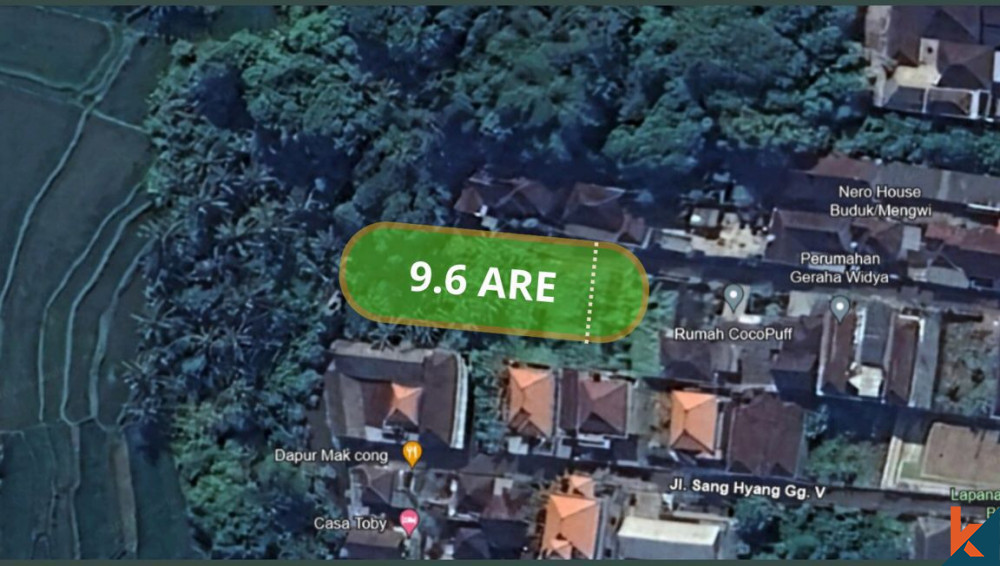 960 m²15 min$ 91034Bali, Mengwi
 2800 m²15 min$ 310345Bali, Tabanan
 1950 m²7 min$ 150092Bali, Tabanan
 2000 m²15 min$ 261700Bali, Babakan
 1000 m²10 min$ 123154Bali, Jimbaran
 911 m²15 min$ 248217Bali, Pererenan
 1000 m²10 min$ 303571Bali, Tabanan
 220 m²2 min$ 66565Bali, Cemagi
 1600 m²32 min$ 266010Bali, Tabanan
 600 m²10 min$ 206897Bali, Canggu
 2000 m²5 min$ 738916Bali, Ungasan
 700 m²15 min$ 162500Bali, Tabanan
 2200 m²15 min$ 508005Bali, Canggu
 300 m²55 min$ 32475Bali, Tegelalang
 928 m²15 min$ 910123Bali, Pererenan
Essential Bali build & buy guides
- Bali villa construction cost per m² in 2026
- How much will your villa cost? Calculator
- Building a villa in Bali: the complete guide
- Buying land in Bali: step-by-step for foreigners
- Bali villa investment: yields, risks, returns
- Leasehold vs freehold: what foreigners can own
- Construction defect liability & 10-year warranty
- Bali building codes and construction standards
Related guides
Selling a Bali Villa: Leasehold Resale, Exit Strategy and What Makes Villas Sellable
How the Bali leasehold resale market works in 2026: what you legally sell, how remaining lease term sets price, the notary transfer process, and the entry-day decisions that make a villa sellable later.
7 min read
Airbnb in Bali Under the 2026 Permit Rules: Delisting Enforcement and What Hosts Must Have in Place
Indonesia now requires every Bali Airbnb listing to sit on a verified registered business, with platform delisting for non-compliant hosts from 2026. What the rules require, how enforcement works, and the compliant path for foreign owners.
7 min read
Bali Villa Management Companies: Fee Structures, Contract Clauses, and How to Stay in Control
Villa management in Bali typically costs 15–25% of gross rental income — but OTA commissions, maintenance reserves and add-ons push the real erosion past 40%. How fee models work, which contract clauses protect you, and how to choose and control a manager.
8 min read