Construction Defect Arbitration: BANI vs SIAC in Bali
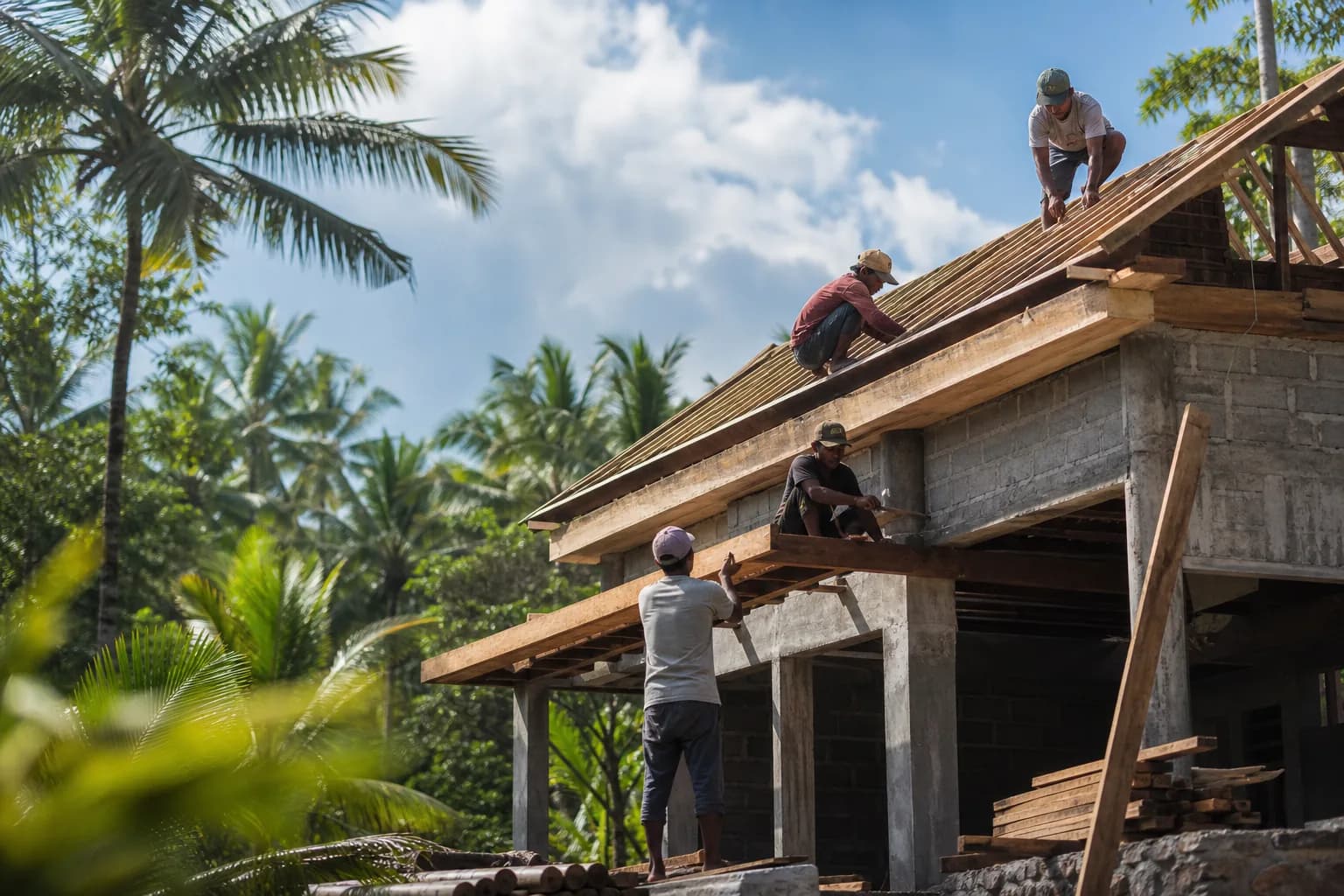
The Critical Choice: BANI or SIAC Arbitration for Construction Defect Protection in Bali
When a structural crack appears in your newly completed Bali villa’s foundation, or when waterproofing failures emerge during the first monsoon season, the arbitration clause buried in your construction contract becomes your primary legal lifeline. Most foreign buyers focus on design aesthetics and villa construction cost Bali estimates, but overlook a critical risk management decision: whether to specify BANI (Badan Arbitrase Nasional Indonesia) or SIAC (Singapore International Arbitration Centre) as the dispute resolution forum for construction defects. This choice directly impacts resolution speed, enforcement mechanisms, cost structures, and ultimately whether you can recover damages for substandard tropical construction engineering work in Indonesia’s unique legal environment.
Technical Framework: BANI vs SIAC Arbitration Mechanisms for Construction Disputes
Construction defect arbitration clauses function as contractual pre-agreements that bypass Indonesian court litigation in favor of specialized arbitral tribunals. The technical distinction between BANI and SIAC arbitration extends far beyond simple jurisdictional preference—it fundamentally alters procedural timelines, evidentiary standards, and enforcement pathways critical to construction dispute resolution.
BANI Arbitration: Domestic Framework with Localized Advantages
BANI operates under Indonesia’s Arbitration Law No. 30/1999 and its updated 2025 institutional rules. For Bali villa construction disputes, BANI offers a default 180-day timeline from tribunal constitution to proceedings closure—significantly compressed compared to court litigation that can extend 3-5 years. The 2025 rules introduced emergency arbitration provisions allowing parties to seek urgent interim measures within 14 days of application, critical when construction defects pose immediate structural safety risks or ongoing water intrusion damage.
BANI’s technical advantage for Bali-based construction projects lies in its domestic enforceability framework. Awards are directly enforceable through Indonesian district courts under Article 59-64 of Law No. 30/1999 without requiring New York Convention procedures. For disputes involving Indonesian contractors, local material suppliers, or land purchase Bali complications intertwined with construction defects, BANI arbitrators typically demonstrate stronger familiarity with Indonesian construction standards (SNI specifications), local building permit requirements, and tropical engineering norms specific to Bali’s seismic and climatic conditions.
The procedural framework allows parties to conduct hearings in Bahasa Indonesia or English, with BANI maintaining a panel of construction-specialized arbitrators familiar with Indonesian Civil Code provisions governing construction contracts (Articles 1601-1617). For technical construction defect claims—foundation settlement issues, reinforcement corrosion in tropical humidity, or inadequate structural capacity for seismic loads—BANI arbitrators can directly reference Indonesian building codes without requiring extensive expert translation of local regulatory frameworks.
SIAC Arbitration: International Framework with Procedural Sophistication
SIAC’s 2025 Rules represent a more internationally-oriented arbitration framework, offering procedural mechanisms specifically designed for complex commercial disputes including construction defect claims. The expedited procedure provisions—mandatory for disputes under SGD 6 million (approximately USD 4.5 million)—compress timelines to 6 months from tribunal constitution to final award, with streamlined procedures for lower-value claims under SGD 1 million resolved within 3 months.
For foreign buyers investing in villa construction cost Bali projects exceeding USD 500,000, SIAC provides access to internationally-recognized arbitrators with specific construction engineering expertise, often including quantity surveyors, structural engineers, and construction lawyers from common law jurisdictions. This becomes particularly valuable when construction defect disputes involve international design standards, imported building systems, or technical specifications that exceed Indonesian SNI minimum requirements.
SIAC’s technical procedural advantages include robust case management protocols, mandatory preliminary conferences within 14 days of tribunal constitution, and detailed procedural orders that establish clear timelines for expert witness reports, site inspections, and technical evidence submission. The Rules explicitly permit tribunal-appointed independent experts under Rule 25.3—critical for construction defect cases requiring neutral assessment of structural adequacy, waterproofing system failures, or MEP (mechanical, electrical, plumbing) installation deficiencies.
However, SIAC awards require enforcement through the New York Convention framework when executed in Indonesia. While Indonesia is a Convention signatory, enforcement involves additional procedural steps through Indonesian courts, potentially adding 6-12 months to the overall dispute resolution timeline compared to direct BANI award enforcement.
Jurisdictional Considerations for Bali Construction Contracts
The technical enforceability of SIAC arbitration clauses in Indonesian construction contracts depends on proper drafting that satisfies Article 3 of Law No. 30/1999, which requires disputes to be “within the field of trade and concerning rights which according to laws and regulations are fully controlled by the disputing parties.” Construction defect claims clearly fall within this scope, but contracts must explicitly exclude Indonesian court jurisdiction and specify Singapore as the arbitration seat to ensure SIAC procedural rules govern rather than Indonesian arbitration law.
For projects involving building permits Bali compliance issues intertwined with construction defects—such as unauthorized structural modifications or deviations from approved engineering drawings—BANI arbitration may offer procedural advantages since arbitrators can directly interpret Indonesian regulatory requirements without requiring expert testimony on local administrative law frameworks.
Hidden Risks: What Buyers Overlook in Arbitration Clause Selection
The most critical oversight in Bali construction contracts involves inserting generic arbitration clauses without technical specificity for construction defect disputes. Standard BANI or SIAC arbitration clauses fail to address three construction-specific procedural requirements that determine dispute resolution effectiveness.
First, defect notification and expert assessment timelines: Construction defects often manifest months or years after practical completion—foundation settlement becomes apparent after two monsoon seasons, reinforcement corrosion emerges after 3-5 years in tropical humidity, waterproofing failures appear gradually. Generic arbitration clauses lack provisions for defect notification procedures, mandatory pre-arbitration technical assessments, or tolling provisions that preserve arbitration rights despite delayed defect discovery. Without explicit contractual language, contractors may argue that arbitration deadlines expired before defects became apparent, effectively barring claims for latent construction failures.
Second, technical expert appointment mechanisms: Construction defect arbitration fundamentally depends on expert engineering testimony regarding structural adequacy, material specifications, and construction methodology compliance. Standard arbitration clauses fail to specify expert appointment procedures, qualification requirements (Indonesian vs international engineering credentials), or cost allocation for tribunal-appointed independent experts. This procedural gap often leads to protracted preliminary disputes about expert selection that consume months before substantive defect assessment begins.
Third, interim measures for ongoing defect damage: Water intrusion defects, structural instability, or MEP system failures cause progressive damage during arbitration proceedings. Generic clauses lack provisions for emergency interim measures requiring contractors to implement temporary repairs, provide access for monitoring, or establish escrow accounts for remediation costs. Without these mechanisms, defects worsen during 6-12 month arbitration timelines, compounding damages and complicating causation analysis.
Additionally, many buyers fail to recognize that SIAC arbitration costs significantly exceed BANI for construction disputes. SIAC administrative fees, arbitrator compensation, and procedural costs typically range 40-60% higher than equivalent BANI proceedings, with the differential increasing for lower-value disputes where SIAC’s percentage-based fee structure becomes proportionally expensive.
Step-by-Step Process: Drafting Construction-Specific Arbitration Clauses
Step 1: Dispute Scope Definition and Carve-Outs
Begin by explicitly defining “construction defects” within the arbitration clause to include structural inadequacies, material specification failures, workmanship deficiencies, design implementation errors, and building code violations. Specify whether the clause covers only post-completion defects or extends to disputes during construction regarding methodology, material substitutions, or design modifications. For Bali villa construction projects, consider carving out urgent safety issues (imminent structural collapse, electrical hazards) for immediate court injunction while preserving arbitration for damages assessment.
Step 2: Institutional Rules Selection with Technical Modifications
Select BANI or SIAC as the administering institution, but incorporate construction-specific procedural modifications. Specify that arbitrators must possess construction engineering or quantity surveying qualifications, with at least one tribunal member holding professional engineering credentials relevant to tropical construction. Establish mandatory site inspection protocols within 30 days of tribunal constitution, allowing arbitrators to directly observe defect conditions before evidence deterioration. For SIAC arbitration, explicitly incorporate expedited procedure provisions to compress timelines for disputes under USD 1 million.
Step 3: Expert Witness Protocols and Technical Evidence Standards
Draft detailed provisions governing expert witness appointment, requiring parties to jointly nominate independent structural engineers, waterproofing consultants, or MEP specialists within 45 days of arbitration commencement. Specify that experts must reference Indonesian SNI standards, relevant international codes (ACI, ASTM, BS standards), and tropical engineering best practices. Establish protocols for destructive testing authorization—core sampling, reinforcement exposure, waterproofing membrane inspection—with cost allocation mechanisms and repair obligations.
Step 4: Defect Notification and Limitation Period Provisions
Incorporate construction-specific notification requirements that distinguish between patent defects (visible upon reasonable inspection) and latent defects (hidden structural or system failures). Establish that arbitration limitation periods commence from defect discovery rather than practical completion, with maximum backstop periods of 10 years for structural defects and 5 years for non-structural issues, aligning with Indonesian Civil Code Article 1618 warranty provisions. Require written defect notification with photographic documentation and preliminary engineering assessment within 90 days of discovery to preserve arbitration rights.
Step 5: Interim Measures and Emergency Arbitration Provisions
Explicitly authorize emergency arbitration for urgent construction defect scenarios—active water intrusion, structural instability, safety hazards—with 14-day application-to-decision timelines. Specify that emergency arbitrators can order temporary repairs, access for monitoring, payment into escrow for remediation costs, or preservation of evidence through professional documentation. Establish that interim measure costs are recoverable in final awards, incentivizing contractors to implement temporary solutions rather than allowing defect progression during proceedings.
Step 6: Award Enforcement and Remediation Supervision
For SIAC arbitration, include provisions requiring contractors to consent to Indonesian court enforcement under New York Convention procedures, waiving procedural objections to award recognition. Consider incorporating post-award supervision mechanisms where arbitrators retain jurisdiction to resolve disputes regarding remediation work quality, allowing parties to return to the same tribunal rather than initiating new proceedings if repair work proves inadequate.
Realistic Cost and Timeline Expectations for Construction Defect Arbitration
BANI arbitration costs for typical Bali villa construction defect disputes (claim values USD 100,000-500,000) range from USD 15,000-35,000 in total party costs, including arbitrator fees (USD 8,000-18,000), administrative fees (USD 2,000-5,000), expert witness costs (USD 3,000-8,000), and legal representation (USD 2,000-4,000 for local counsel). Timeline from arbitration commencement to final award typically spans 8-14 months, including 2-3 months for tribunal constitution, 4-6 months for evidence submission and hearings, and 2-4 months for award drafting.
SIAC arbitration for equivalent disputes costs USD 25,000-55,000, with higher arbitrator compensation (USD 15,000-30,000), administrative fees (USD 4,000-8,000), and typically international legal representation (USD 5,000-12,000). Expedited procedures compress timelines to 6-9 months, but standard procedures may extend 10-16 months when including enforcement proceedings in Indonesian courts (additional 6-12 months).
For construction defect claims under USD 100,000, BANI’s cost structure becomes significantly more economical, with total party costs often under USD 12,000 compared to SIAC’s minimum threshold costs of USD 18,000-22,000. However, for complex disputes exceeding USD 1 million involving international design standards or imported building systems, SIAC’s procedural sophistication and access to specialized international arbitrators may justify the 40-60% cost premium.
Critical cost consideratio
 3180 m²7 month(s)from 142.000 USD
Vasudeva
 4344 m²16 month(s)from 290.000 USD
Radha
 3124 m²6 month(s)from 123.000 USD
TALA 8
 1from 198.000 USD
Private: Haridas Villas
 164 m²7 month(s)from 79.000 USD
Private: Haridas Villas, Tegallalang
164 m²7 month(s)from 79.000 USDTALA TWO
 3127 m²9 month(s)from 177.000 USD
Mukunda
 3173 m²6 month(s)from 125.000 USD
TALA FOUR
 2144 m²11 month(s)from 104.000 USD
Narayana

Want to calculate?
 172 m²8 month(s)from 120.000 USD
Keshava
 3104 m²11 month(s)from 99.000 USD
TALA 100
Start With Real Numbers, Not Guesses
Before buying land or finalizing a design, check the realistic build cost range for your project in Bali.
Our team reviews your inputs and gives a grounded estimate.
Available lands
 5815 m²5 min$ 815740Bali, Tabanan
 1720 m²2 min$ 241478Bali, Tabanan
 1362 m²15 min$ 335468Bali, Tumbak
 608 m²15 min$ 310377Bali, Seminyak
 6000 m²30 min$ 55419Bali, Tabanan
 610 m²10 min$ 165271Bali, Seminyak
 1000 m²10 min$ 123154Bali, Jimbaran
 1600 m²32 min$ 266010Bali, Tabanan
 2680 m²10 min$ 1732759Bali, Pererenan
 1350 m²5 min$ 283467Bali, Pecatu
 204 m²5 min$ 40899Bali, Kedungu
 2000 m²15 min$ 523000Bali, Canggu
 1000 m²10 min$ 230911Bali, Kerobokan
 2000 m²5 min$ 1440887Bali, Pecatu
 29000 m²6 min$ 3857143Bali, Tabanan
Essential Bali build & buy guides
- Bali villa construction cost per m² in 2026
- How much will your villa cost? Calculator
- Building a villa in Bali: the complete guide
- Buying land in Bali: step-by-step for foreigners
- Bali villa investment: yields, risks, returns
- Leasehold vs freehold: what foreigners can own
- Construction defect liability & 10-year warranty
- Bali building codes and construction standards
Related guides

Why a Cheap Bali Leasehold Is Cheap: Pricing Red Flags Every Buyer Should Decode
Suspiciously cheap Bali leaseholds are priced low for a reason: short remaining terms, forbidden zoning, missing road access, disputes or weak contracts. How to decode the discount before you pay for it.
8 min read
Fake Compliance and Licensing Agents in Bali: The 2026 Paperwork Scam and How to Verify Documents
Forged certificates, permit fixers and fake notaries: how Bali's paperwork scams work in 2026 and how to verify every property document at its government source.
7 min read
Buying a Bali Villa from Instagram: Phantom Listings, Render-Only Projects and How to Verify
Instagram is Bali's biggest property shop window and its least verified. How phantom listings, render-only projects and cloned developer accounts work — and the verification steps that expose them.
7 min read