Structural Engineer Stamp Verification in Bali | Licensed Calcula
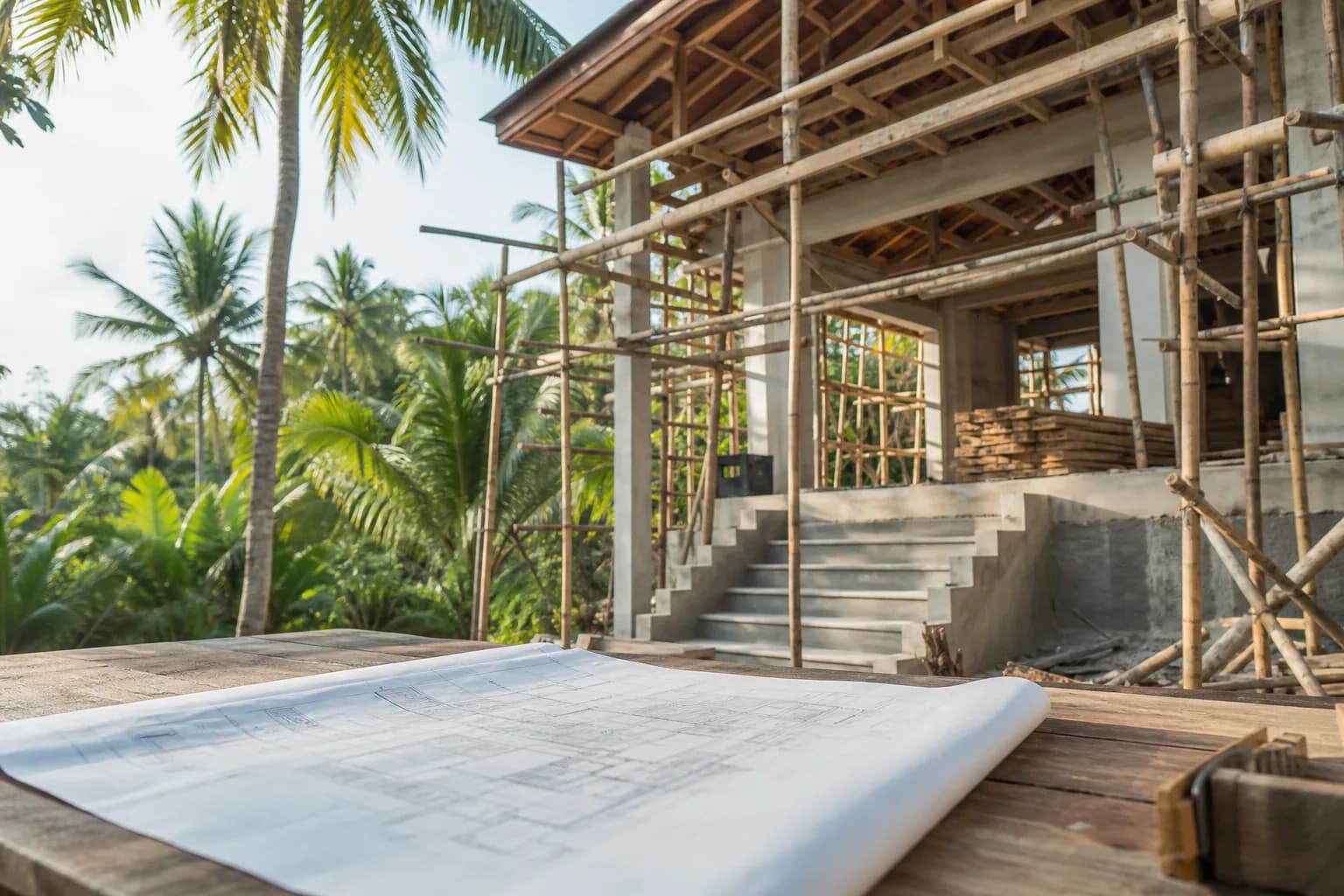
The Hidden Danger: When Your Structural Calculations Aren’t Legally Valid
A foreign investor in Canggu discovered—three months into construction—that his structural engineer’s stamp was expired and his calculations were legally invalid. The PBG application was rejected, construction halted, and he faced a complete redesign with a licensed engineer, costing an additional $18,000 and six months of delays. This scenario is increasingly common in Bali’s 2026 regulatory environment, where authorities now cross-reference engineer credentials against national databases during permit reviews. The question isn’t whether your project has structural calculations—it’s whether those calculations carry legal weight under Indonesian law and can withstand scrutiny during PBG (Persetujuan Bangunan Gedung) and SLF (Sertifikat Laik Fungsi) certification processes.
Understanding Structural Engineer Licensing and Stamp Authority in Indonesia
In Indonesia’s construction regulatory framework, structural calculations must be prepared and stamped by engineers holding valid SKA (Sertifikat Keahlian Ahli) and SKT (Sertifikat Keterampilan Tenaga Terampil) certifications issued by LPJK (Lembaga Pengembangan Jasa Konstruksi). These aren’t honorary titles—they’re legally mandated credentials that determine whether an engineer’s work is recognized by permitting authorities.
The SKA system operates on a tiered qualification structure. For villa construction Bali projects, you typically need an engineer with SKA Ahli Muda (Junior Expert) minimum for structures under three stories, or SKA Ahli Madya (Middle Expert) for more complex designs involving cantilevers, swimming pools with structural integration, or buildings on sloped terrain. Each SKA certificate specifies the engineer’s sub-qualification—structural engineering (Teknik Sipil – Struktur) being distinct from architectural or MEP engineering credentials.
The stamp itself—the physical or digital seal applied to calculation documents—is only valid when accompanied by current registration. As of 2026, Bali’s DPMPTSP (Dinas Penanaman Modal dan Pelayanan Terpadu Satu Pintu) offices verify engineer credentials through the national SIKI (Sistem Informasi Konstruksi Indonesia) database during PBG application reviews. This electronic verification system has eliminated the previous gray area where expired or fraudulent stamps could slip through manual review processes.
Structural calculations for building permits Bali must include specific documentation: load analysis (dead load, live load, wind load, and critically for Bali—seismic load calculations per SNI 1726:2019), foundation design based on soil investigation reports, reinforcement detailing for concrete elements, and connection specifications for steel or timber structures. Each page must bear the engineer’s stamp, signature, and date, with a cover letter certifying compliance with Indonesian National Standards (SNI).
The verification challenge intensifies because many engineers operating in Bali hold credentials from other provinces. While SKA certificates are nationally valid, the engineer must also register their practice in Bali through the local LPJK chapter and obtain a local business registration (NIB – Nomor Induk Berusaha) if operating as a consultant. Foreign-educated engineers face additional hurdles—their degrees must be recognized through equivalency certification by the Indonesian Engineers Association (PII – Persatuan Insinyur Indonesia) before they can apply for SKA certification.
For tropical construction engineering specifically, Bali’s unique conditions demand engineers familiar with high humidity corrosion factors, volcanic soil bearing capacities, and coastal zone salt exposure calculations. An engineer licensed in Jakarta may hold valid credentials but lack the regional expertise to properly calculate corrosion allowances for reinforcement in Bali’s coastal microclimate—a technical gap that won’t be caught during credential verification but will manifest as structural deterioration within five years.
Hidden Risks: What Property Buyers Miss During Engineer Verification
The most dangerous assumption is that any engineer presenting calculations with an official-looking stamp is properly licensed. In Bali’s construction market, several categories of unlicensed or improperly licensed calculations circulate regularly:
Expired SKA certificates: SKA certifications require renewal every three years with continuing education credits. An engineer whose SKA expired even one day before stamping your calculations has produced legally invalid documents. DPMPTSP’s electronic verification will flag this immediately during PBG review, but many buyers don’t discover the issue until that stage—after paying the engineer and potentially beginning site work based on those calculations.
Mismatched qualification levels: An engineer with SKA Ahli Muda (qualified for buildings up to 2 stories) stamping calculations for a three-story villa with a rooftop pool creates liability exposure. The calculations may be technically sound, but they’re legally invalid because they exceed the engineer’s certified scope of work. This is particularly common with land purchase Bali projects where buyers hire the cheapest available engineer without verifying qualification alignment with project complexity.
Unlicensed “calculation services”: Some drafting services or architectural firms offer structural calculations prepared by unlicensed staff, then obtain a stamp from a licensed engineer who hasn’t actually reviewed the work. This “stamp rental” practice is illegal but difficult to detect. The risk materializes during construction when field conditions don’t match calculation assumptions, and the stamping engineer claims no knowledge of the actual design decisions.
Another hidden risk involves engineers licensed in structural engineering but lacking geotechnical expertise. Foundation design requires soil investigation interpretation—a specialized skill. An engineer may produce valid structural calculations for the superstructure but inadequate foundation design because they lack geotechnical sub-qualification. The stamp appears legitimate because it’s within their structural SKA scope, but the foundation calculations are technically deficient.
Step-by-Step Verification Process for Structural Engineer Credentials
Step 1: Request Complete Credential Documentation
Before engaging any structural engineer, request copies of their current SKA certificate, LPJK registration card, NIB business registration, and professional liability insurance certificate. The SKA certificate should clearly state “Ahli Teknik Sipil – Struktur” (Structural Civil Engineering Expert) and show an expiration date at least six months beyond your expected PBG submission date. Verify the certificate number format matches LPJK standards—it should follow the pattern: SKA-//LPJK.
Step 2: Cross-Reference Through SIKI Database
Access the SIKI online portal (siki.pu.go.id) and search the engineer’s name and SKA certificate number. The system displays current registration status, qualification level, and any disciplinary actions. This verification takes five minutes but eliminates 90% of credential fraud risk. For villa construction cost Bali projects, this step should occur before signing any engineering services contract.
Step 3: Verify Local Bali Registration
Contact LPJK Bali chapter directly (office located in Denpasar) or check their regional database to confirm the engineer has registered their practice locally. Provide the engineer’s SKA number and request confirmation of active status. This step catches engineers with valid national credentials who haven’t completed provincial registration requirements—a common oversight that invalidates their work for Bali projects.
Step 4: Review Professional Liability Insurance
Licensed engineers should carry professional liability insurance covering errors and omissions in their calculations. Request a certificate of insurance showing coverage of at least IDR 1 billion (approximately $65,000) for villa-scale projects. Insurance companies verify engineer credentials before issuing policies, providing an additional validation layer. Absence of insurance is a red flag suggesting the engineer may not meet standard professional requirements.
Step 5: Verify Soil Investigation Coordination
Structural calculations depend on soil investigation data. Verify that your engineer will either conduct soil testing (if they hold geotechnical sub-qualification) or coordinate with a licensed geotechnical engineer. Request the geotechnical engineer’s credentials using the same verification process. Foundation calculations stamped without corresponding soil investigation reports from a qualified geotechnical specialist are technically incomplete regardless of the structural engineer’s credentials.
Step 6: Establish Calculation Delivery Standards
Specify in your engineering contract that all calculation documents must include: cover letter certifying SNI compliance, signed and stamped calculation sheets for all structural elements, reinforcement detailing drawings, material specifications, and construction methodology recommendations. Each document page should bear the engineer’s stamp and signature with date. This documentation standard ensures you receive legally complete deliverables suitable for PBG submission.
Step 7: Request Pre-Submission Review Confirmation
Before submitting calculations to DPMPTSP for PBG application, request that your engineer provide written confirmation that all calculations comply with current SNI standards (particularly SNI 1726:2019 for seismic design, SNI 1727:2020 for minimum loads, and SNI 2847:2019 for concrete structures). This confirmation creates contractual accountability and ensures the engineer has performed final quality checks against current regulatory standards.
Realistic Cost and Timeline Expectations for Proper Engineer Verification
Structural engineering services from properly licensed engineers in Bali typically range from IDR 15-35 million ($950-$2,200) for standard two-story villas of 200-300 square meters. This cost includes soil investigation coordination, complete structural calculations, stamped drawings, and one round of revisions based on authority comments. Engineers charging significantly below this range—particularly those offering “package deals” under IDR 10 million—often cut corners on credential maintenance or subcontract work to unlicensed staff.
The verification process itself adds minimal cost but requires time allocation. SIKI database checking is free and immediate. LPJK Bali chapter verification typically takes 2-3 business days via email inquiry. If you engage a construction consultant or legal advisor to perform verification (recommended for foreign buyers unfamiliar with Indonesian systems), expect fees of IDR 2-5 million ($125-$315) for complete credential due diligence.
Timeline considerations: Proper structural calculations for a villa project require 3-4 weeks from soil investigation completion to final stamped deliverables. Engineers promising calculations in one week are likely using template approaches that don’t account for site-specific conditions. Budget an additional 1-2 weeks if authority review during PBG application identifies calculation revisions—this is normal and doesn’t indicate engineer incompetence, but rather the iterative nature of permit approval processes.
Remediation costs for discovering unlicensed calculations mid-project are substantial. Re-engineering with a licensed professional typically costs 150-200% of original engineering fees due to rush timelines and the need to reconcile already-constructed elements with new calculations. Project delays average 2-4 months while awaiting revised PBG approval. These costs far exceed the modest investment in proper upfront verification.
Frequently Asked Questions: Structural Engineer Stamp Verification in Bali
Can I use structural calculations from my architect instead of hiring a separate engineer?
No. Indonesian regulations require structural calculations to be prepared and stamped by engineers holding SKA certification in structural engineering specifically. Architects hold different credentials (STRA – Surat Tanda Registrasi Arsitek) that don’t authorize structural calculation certification. Even if your architect has engineering education, they cannot legally stamp structural calculations without current SKA Ahli Teknik Sipil – Struktur certification. DPMPTSP will reject PBG applications with architect-stamped structural calculations. For integrated project delivery, work with firms like Teville’s construction process that coordinate licensed engineers within the design team while maintaining proper credential separation.
What happens if I discover my engineer’s stamp was invalid after construction has started?
You face three immediate challenges: First, your PBG application will be rejected or revoked if already issued, making all construction legally unauthorized. Second, you must hire a licensed engineer to review existing work and prepare new calculations—this engineer assumes liability for work they didn’t originally design, so expect higher fees and conservative recommendations that may require structural modifications. Third, you may need to expose completed structural elements for inspection to verify they match the new calculations, adding demolition and reconstruction costs. Total remediation typically costs $15,000-$30,000 for villa projects plus 2-4 months delay. This scenario emphasizes why upfront verification through SIKI database checking is critical before any construction activity begins.
Are foreign-educated structural engineers allowed to stamp calculations for Bali projects?
Foreign-educated engineers can work on Bali projects only after obtaining Indonesian credential recognition. They must first get their degree validated through PII (Persatuan Insinyur Indonesia) equivalency certification, then apply for SKA certification through LPJK by demonstrating knowledge of Indonesian standards (SNI) and passing required examinations. This process typically takes 6-12 months. Foreign engineers cannot simply stamp calculations based on their home country credentials—such sta
 164 m²7 month(s)from 79.000 USD
TALA TWO
 3127 m²9 month(s)from 177.000 USD
Mukunda
 3104 m²11 month(s)from 99.000 USD
TALA 100
 2144 m²11 month(s)from 104.000 USD
Narayana
 1from 198.000 USD
Private: Haridas Villas

Want to calculate?
164 m²7 month(s)from 79.000 USDPrivate: Haridas Villas, Tegallalang
 172 m²8 month(s)from 120.000 USD
Keshava
 3180 m²7 month(s)from 142.000 USD
Vasudeva
 4344 m²16 month(s)from 290.000 USD
Radha
 3173 m²6 month(s)from 125.000 USD
TALA FOUR
 3124 m²6 month(s)from 123.000 USD
TALA 8
Start With Real Numbers, Not Guesses
Before buying land or finalizing a design, check the realistic build cost range for your project in Bali.
Our team reviews your inputs and gives a grounded estimate.
Available lands
 911 m²15 min$ 248217Bali, Pererenan
 1720 m²2 min$ 241478Bali, Tabanan
 7000 m²36 min$ 284483Bali, Gianyar
 1362 m²15 min$ 335468Bali, Tumbak
 7250 m²56 min$ 235714Bali, Tabanan
 5815 m²5 min$ 815740Bali, Tabanan
 1950 m²7 min$ 150092Bali, Tabanan
 2000 m²5 min$ 738916Bali, Ungasan
 700 m²7 min$ 400000Bali, Canggu
 1000 m²10 min$ 184729Bali, Kutuh South Bali
 889 m²15 min$ 145612Bali, Cepaka
 444 m²10 min$ 111000Bali, Tabanan
 1300 m²10 min$ 348214Bali, Tabanan
 6000 m²30 min$ 55419Bali, Tabanan
 600 m²10 min$ 206897Bali, Canggu
Essential Bali build & buy guides
- Bali villa construction cost per m² in 2026
- How much will your villa cost? Calculator
- Building a villa in Bali: the complete guide
- Buying land in Bali: step-by-step for foreigners
- Bali villa investment: yields, risks, returns
- Leasehold vs freehold: what foreigners can own
- Construction defect liability & 10-year warranty
- Bali building codes and construction standards
Related guides

Why a Cheap Bali Leasehold Is Cheap: Pricing Red Flags Every Buyer Should Decode
Suspiciously cheap Bali leaseholds are priced low for a reason: short remaining terms, forbidden zoning, missing road access, disputes or weak contracts. How to decode the discount before you pay for it.
8 min read
Fake Compliance and Licensing Agents in Bali: The 2026 Paperwork Scam and How to Verify Documents
Forged certificates, permit fixers and fake notaries: how Bali's paperwork scams work in 2026 and how to verify every property document at its government source.
7 min read
Buying a Bali Villa from Instagram: Phantom Listings, Render-Only Projects and How to Verify
Instagram is Bali's biggest property shop window and its least verified. How phantom listings, render-only projects and cloned developer accounts work — and the verification steps that expose them.
7 min read