High demand on Bali 2026
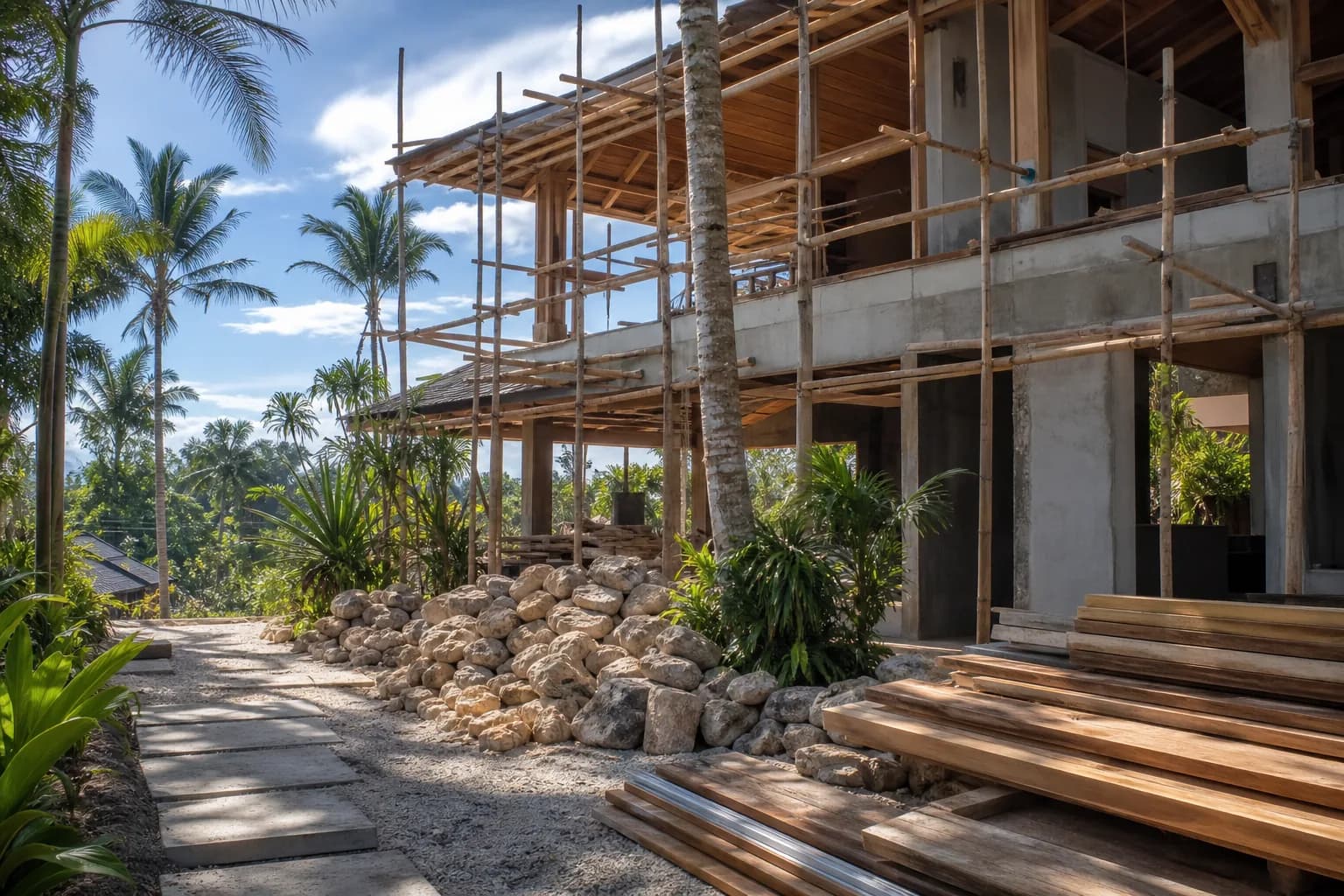
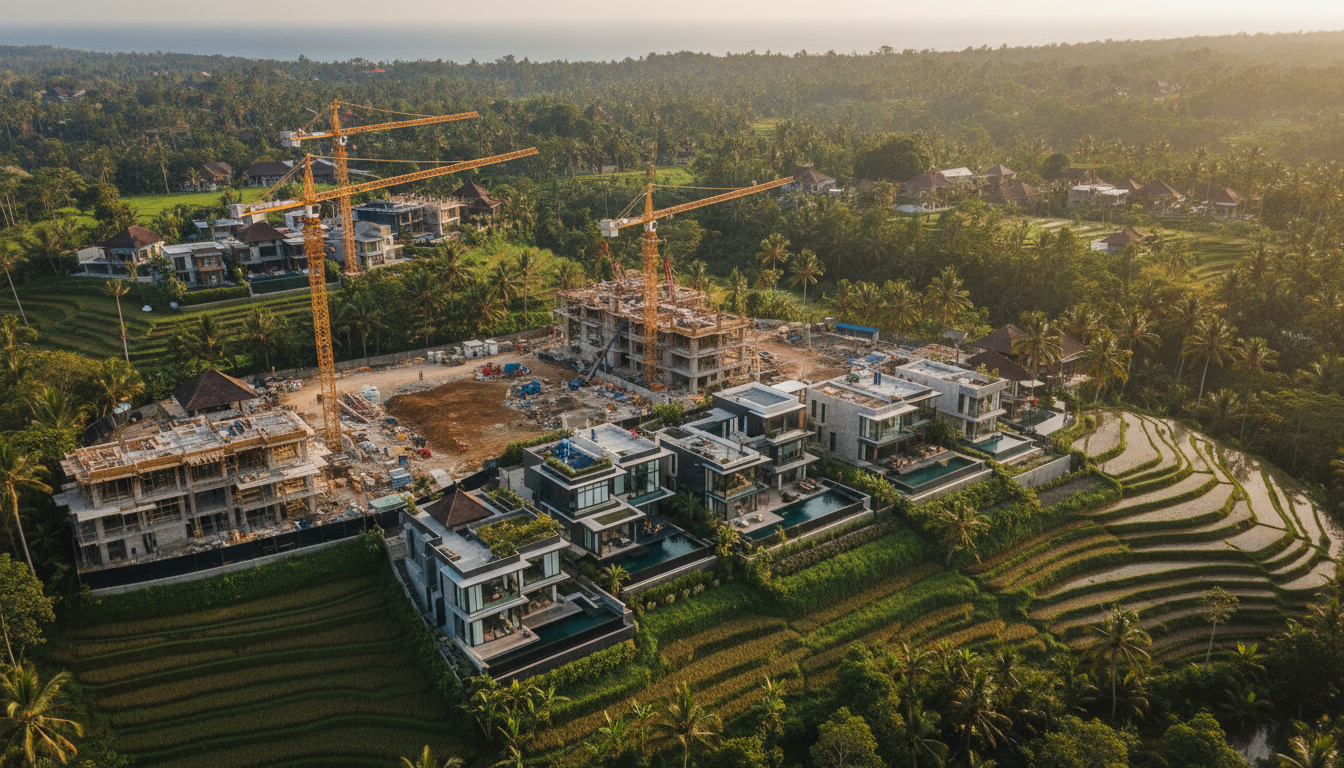
The Great Shift: Why the World is Buying and Building in Bali in 2026
The year 2026 has marked a definitive turning point for the Island of the Gods. If the previous years were defined by a post-pandemic tourism recovery, January 2026 has ushered in an era of structural, permanent relocation. Bali is no longer just a holiday destination; it has rapidly transformed into a premier global safe haven.
Real estate demand has reached unprecedented levels, but the nature of this demand—and more importantly, where this demand is localized—has completely changed. The crowded southern beaches of Canggu and Seminyak are no longer the primary targets. Instead, the world’s wealth is moving north. Areas like North Ubud, the tranquil terraces of Tegallalang, the culturally rich “Sunduk” architectural zones, and the northern coast near the highly anticipated new airport are seeing an absolute explosion in investment.
But what is driving this massive wave? Why are investors from India, the United Arab Emirates, and China suddenly leading the charge? And why has building a custom villa become the only viable strategy in a market where ready-to-move-in properties are essentially sold out?
Let us dive deep into the geopolitical, demographic, and infrastructural forces shaping the Bali real estate market in 2026.
Chapter 1: The Global Search for a Safe Haven
To understand the Bali property boom of 2026, we must first look at the map of the world. The current global landscape is heavily marred by geopolitical instability, economic unpredictability, and ongoing conflicts in Eastern Europe and the Middle East. Inflationary pressures in Western economies have also eroded the purchasing power of traditional fiat currencies.
In times of global turbulence, high-net-worth individuals and upper-middle-class families actively seek “safe havens.” Historically, these were places like Switzerland, New Zealand, or Singapore. However, the barrier to entry in those nations has become astronomically high, and the lifestyle is often rigid.
Bali offers a stark, beautiful contrast. It is politically neutral, geographically insulated from major global conflicts, and economically vibrant. The Indonesian government has proactively capitalized on this by introducing streamlined long-stay visas, investor visas, and simplified foreign investment structures (PT PMA). For a global citizen looking to escape the anxiety of the 24-hour news cycle, a quiet villa overlooking a river canyon in Bali is not just a real estate asset; it is a psychological sanctuary.
Chapter 2: The New Wave of Global Buyers
While Australian and European buyers have traditionally dominated the Bali market, 2026 is defined by a massive influx of capital from three specific regions: India, the UAE, and China.
The Indian Surge
The economic rise of India has created a massive new class of wealthy entrepreneurs and tech professionals. For Indian buyers, Bali represents the perfect intersection of spiritual familiarity and modern luxury. The deep-rooted Hindu culture in Bali resonates profoundly with Indian investors, creating an immediate sense of belonging. Furthermore, the introduction of more direct flight routes between major Indian cities and Denpasar has reduced travel friction. Indian buyers are particularly drawn to areas with strong spiritual energy and lush nature, making regions around Ubud incredibly popular for family estates and wellness retreats.
The UAE Diversification
Investors from the United Arab Emirates are entering the Bali market for entirely different reasons. Having built immense wealth in the desert, UAE citizens and expats are seeking contrasting environments—specifically, lush, green, tropical climates with abundant water and natural rainfall. Furthermore, Middle Eastern investors are actively diversifying their portfolios outside of the Gulf region to protect against regional volatility. They are bringing institutional-level capital, often looking to fund multi-villa developments or large-scale custom builds in quiet, premium areas where privacy is paramount.
The Chinese Return
After a period of economic restructuring and restricted outward capital flow, Chinese investors have returned to the global real estate stage with intense momentum in 2026. However, their strategy has evolved. They are no longer just looking at the crowded South; Chinese property investors are preparing to heavily enter the North Bali market, driven by large-scale infrastructure promises. They are seeking secure offshore assets that also offer a high-quality, relaxed lifestyle, moving away from hyper-dense megacities.
Chapter 3: The Geographic Pivot – Moving Away from the South
For the last decade, the narrative of Bali real estate was dominated by the southern coastal strip: Kuta, Seminyak, and most recently, Canggu. However, by late 2025 and into 2026, these areas reached a critical saturation point. The infrastructure struggled to keep up with the density, resulting in heavy traffic, noise pollution, and skyrocketing land prices that severely compressed rental yields.
The modern luxury buyer of 2026 does not want to sit in traffic. They want peace, clean air, authentic culture, and panoramic views. This has caused a massive geographic pivot toward the island’s interior and northern regions.
North Ubud and Tegallalang: The Crown Jewels
North Ubud has become the ultimate destination for premium real estate. It offers the cultural heartbeat of the island without the congestion of the center. Just slightly further north lies Tegallalang, famous for its breathtaking, cascading rice terraces.
Tegallalang is currently experiencing a massive surge in demand. Why? Because it offers the exact aesthetic that global buyers dream of when they think of Bali. The topography allows for stunning architectural feats: villas perched on the edge of river canyons, infinity pools blending into the jungle canopy, and waking up to misty, cool mornings. For those seeking absolute tranquility and a high-end lifestyle, Tegallalang is the undisputed crown jewel of 2026.
The “Sunduk” Influence: A Return to Authentic Architecture
As the market matures, buyers have grown tired of generic, “copy-paste” concrete boxes that look like they belong in a Western suburb rather than a tropical island. There is a massive trend toward authentic Balinese integration. This is where the concept of the Sunduk comes into play.
In traditional Balinese architecture, the sunduk is a vital wooden cross-beam that provides structural integrity, specifically designed to be earthquake-resistant while aesthetically grounding the home in nature. In 2026, buyers are specifically seeking out areas and builders that incorporate these traditional sunduk elements, merging ancient structural wisdom with modern luxury glass and steel. This desire for authentic, culturally integrated spaces has driven buyers deeper into traditional villages, seeking a genuine connection to the island’s heritage rather than a sterilized tourist experience.
Chapter 4: The Game Changer – North Bali’s New Airport
Perhaps the single biggest macroeconomic driver shifting the real estate landscape in 2026 is the imminent reality of the North Bali International Airport (Bandara Bali Utara).
For years, the island has relied solely on the Ngurah Rai International Airport in the south, which is projected to reach its absolute maximum capacity by 2030. To prevent a logistical bottleneck, the Indonesian government, under the Prabowo administration, has heavily reprioritized the construction of the new airport in the Buleleng regency.
This infrastructure project is fundamentally altering land values across the island. The northern regions, which were once considered too remote for short-term holidaymakers, are suddenly being viewed through the lens of future accessibility. Investors realize that buying or building in the North now—before the airport is completed—offers the highest potential for capital appreciation on the entire island. The new airport will not just bring tourists; it will bring new roads, hospitals, international schools, and commercial hubs, effectively creating a “Second Bali” in the north.
Chapter 5: Why Building is the Only Viable Strategy in 2026
If you attempt to buy a high-quality, fully completed villa in Tegallalang or North Ubud today, you will quickly discover a stark reality: there is virtually zero inventory. Due to the extreme high season and the massive influx of foreign capital, the market for ready-to-move-in properties has been completely depleted.
This brings us to the most critical shift in the 2026 market: The transition from buying to building.
Entering the construction track is no longer a secondary option; it is the primary strategy for smart investors. Building a new villa offers several massive advantages that simply cannot be found in the resale market:
-
Exact Customization for Modern Needs: The post-pandemic buyer requires specific layouts—dedicated home offices for remote work, wellness spaces, and advanced water filtration systems. Older villas simply do not have these. Building allows you to create a space perfectly tailored to the 2026 lifestyle.
-
Staged Payments and Financial Security: Instead of dropping a massive lump sum on an overpriced ready villa, construction allows for capital to be deployed in structured, staged payments based on project milestones. This significantly reduces upfront financial risk.
-
Modernizing Authentic Design: By building from scratch, investors can integrate modern sustainable technologies (solar power, smart home systems) with traditional, highly desired architectural elements like the sunduk cross-beams, maximizing both aesthetic appeal and rental yield.
-
Instant Equity: Because the demand is so high and inventory is so low, a custom-built villa in a prime location like Tegallalang often holds a market value significantly higher than its construction cost the moment the keys are handed over.
Experienced construction companies that have weathered the previous market cycles and boast years of experience are now the most valuable partners on the island. They navigate the complexities of land acquisition, secure the proper zoning permits, and manage the local supply chains, turning a complex process into a seamless investment vehicle.
Conclusion: The Window of Opportunity
The Bali real estate market of 2026 is fundamentally different from the market of 2019. The hype has matured into structural, long-term growth. The island is no longer just a playground; it is a global sanctuary offering peace in a chaotic world.
Driven by an exodus from global conflicts, an influx of sophisticated capital from India, the UAE, and China, and the monumental infrastructure of the new North Bali Airport, the gravity of the island has permanently shifted north.
For those looking to secure their piece of this paradise, the playbook is clear. The ready-made inventory in prime spots like Tegallalang is gone. The future belongs to those who recognize the trends, partner with experienced local builders, and create custom spaces that honor the island’s heritage while providing world-class luxury. The time to build is now.
Essential Bali build & buy guides
- Bali villa construction cost per m² in 2026
- How much will your villa cost? Calculator
- Building a villa in Bali: the complete guide
- Buying land in Bali: step-by-step for foreigners
- Bali villa investment: yields, risks, returns
- Leasehold vs freehold: what foreigners can own
- Construction defect liability & 10-year warranty
- Bali building codes and construction standards
Related guides
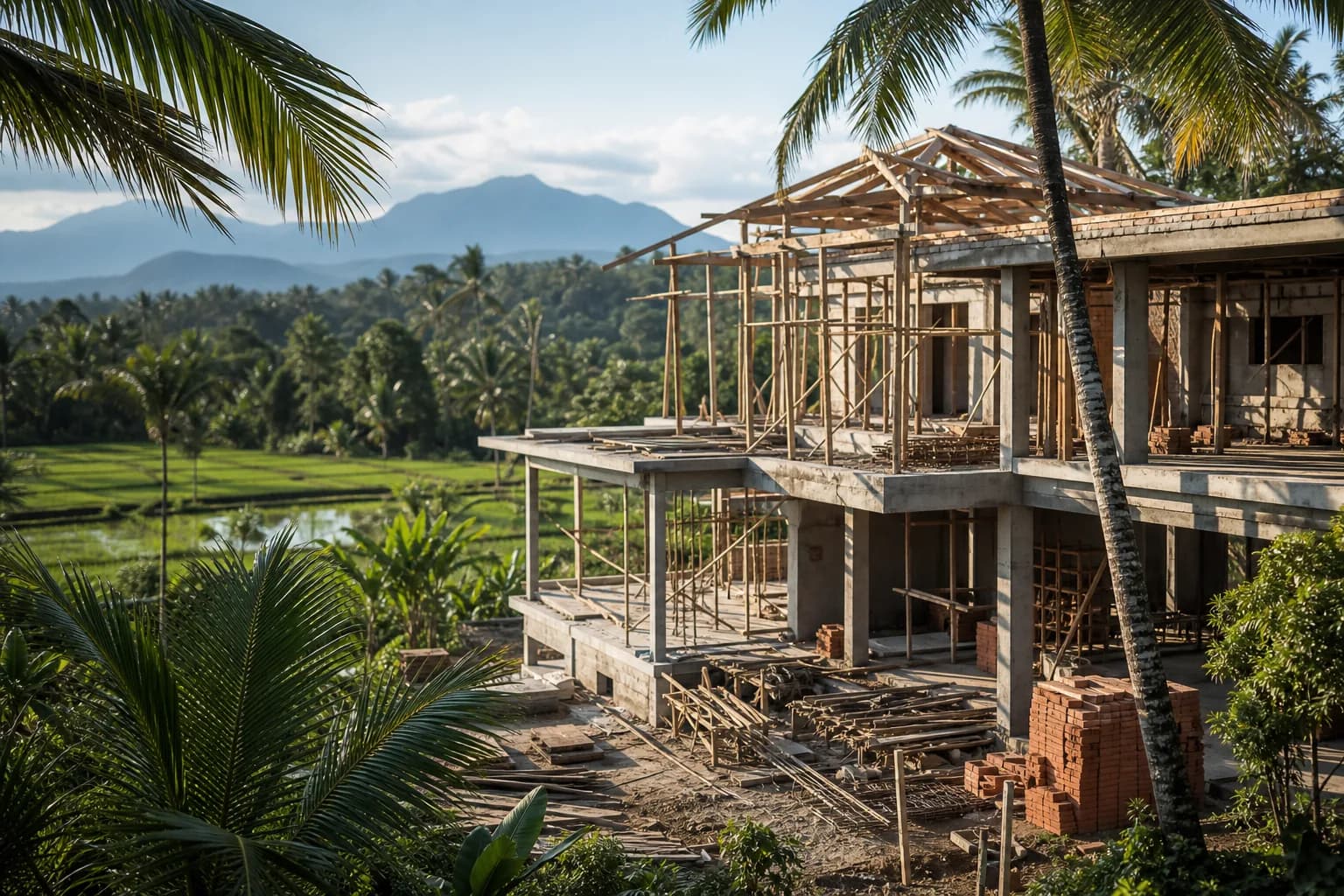
How to Build a Villa in Bali: The Complete Step-by-Step Process (2026)
Every stage of building a villa in Bali as a foreigner — from securing land and permits to handover — with realistic timelines, costs and the mistakes that derail first-time builders.
5 min read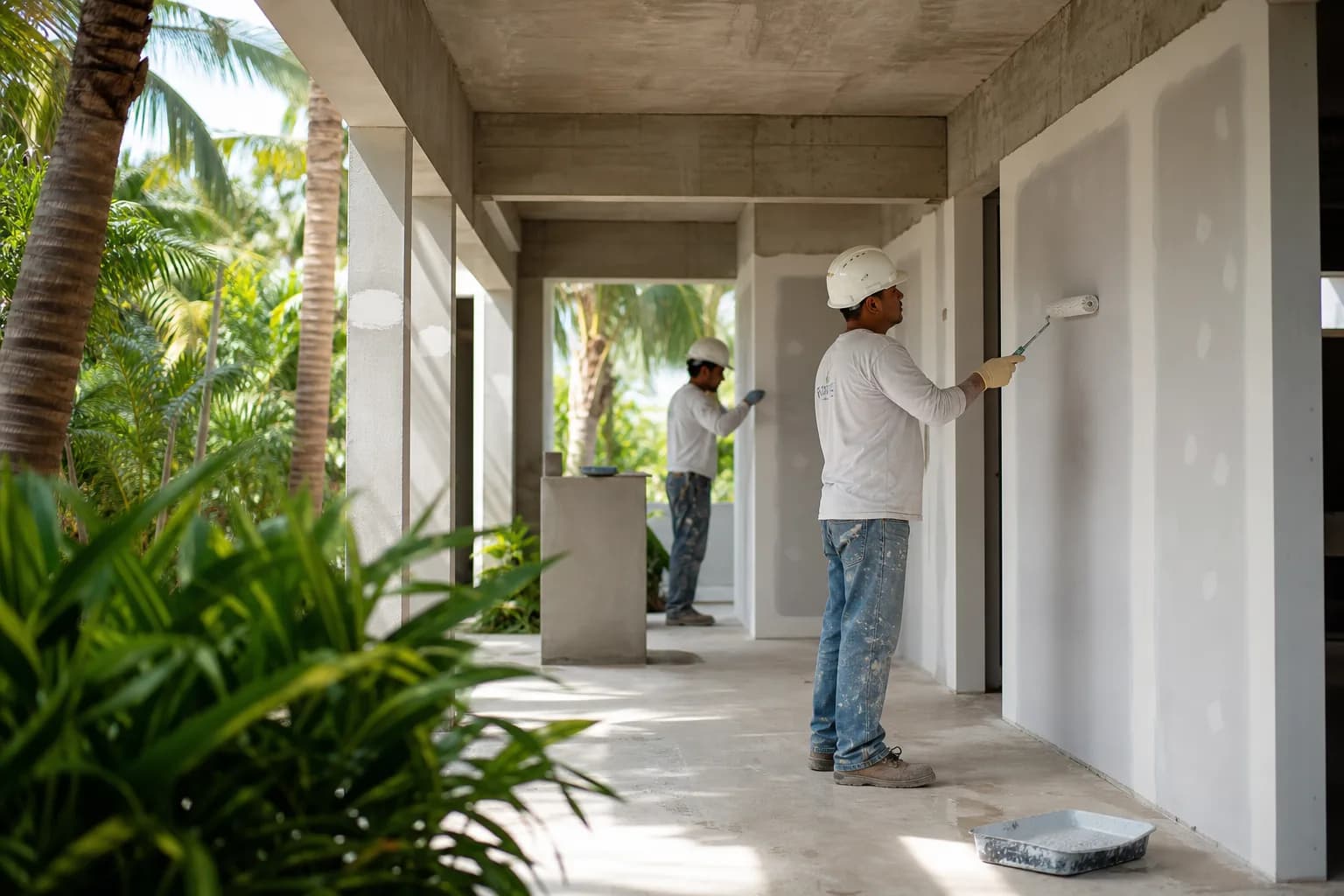
Moisture-Resistant Gypsum Board Finishing with Epoxy Primer Bali
Learn how moisture-resistant gypsum boards with epoxy primer boost durability, finish quality, and mold resistance in Bali projects. Great for Bali homes.
10 min read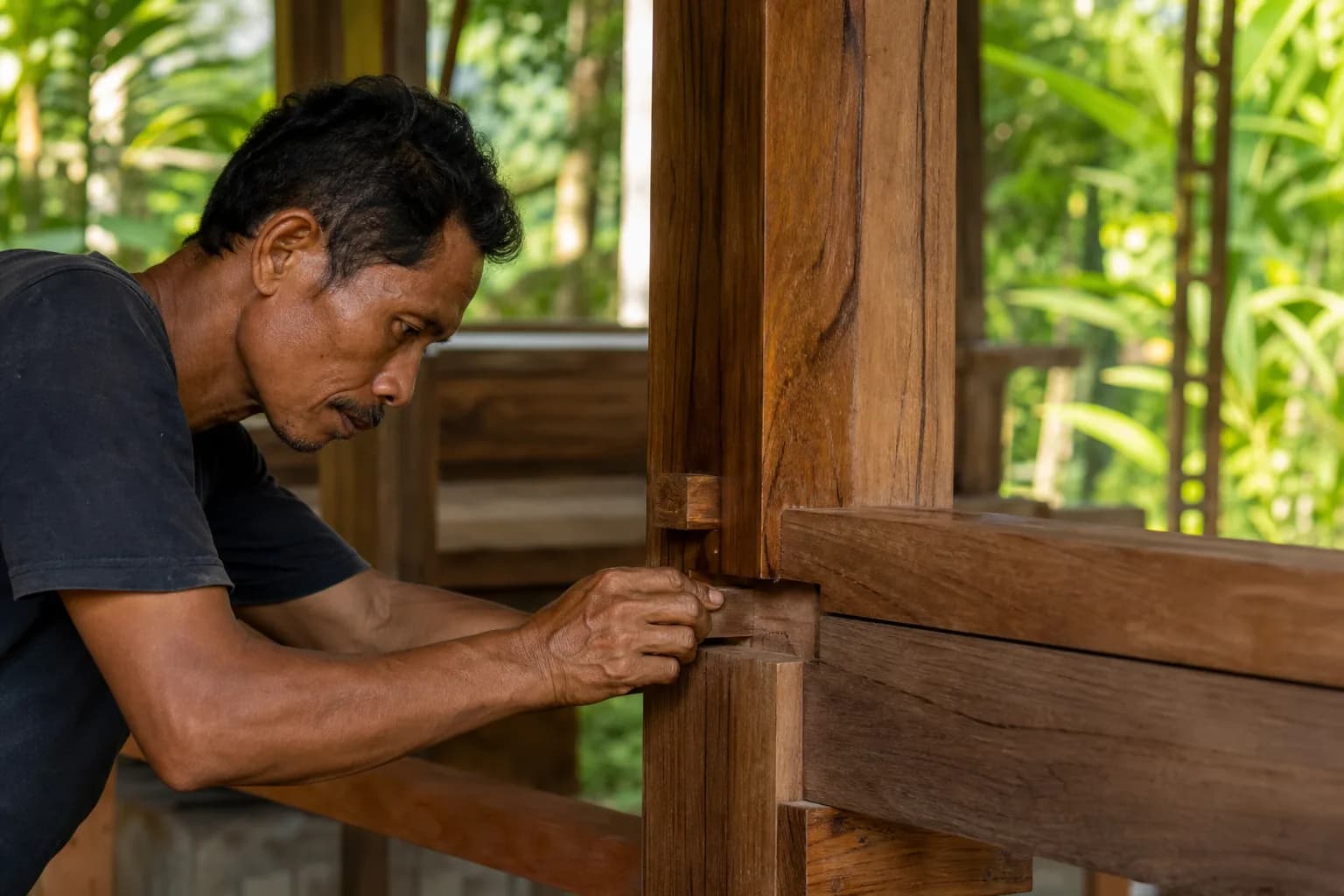
Marine-Grade Timber Joinery Finishing Corrosion Protection Bali
Discover marine-grade timber joinery finishing and corrosion protection in Bali. Durable coastal timber care, coatings, and maintenance for lasting protection.
8 min read