Why Bali Villa Demand Surged in January 2026: Global Market Analysis
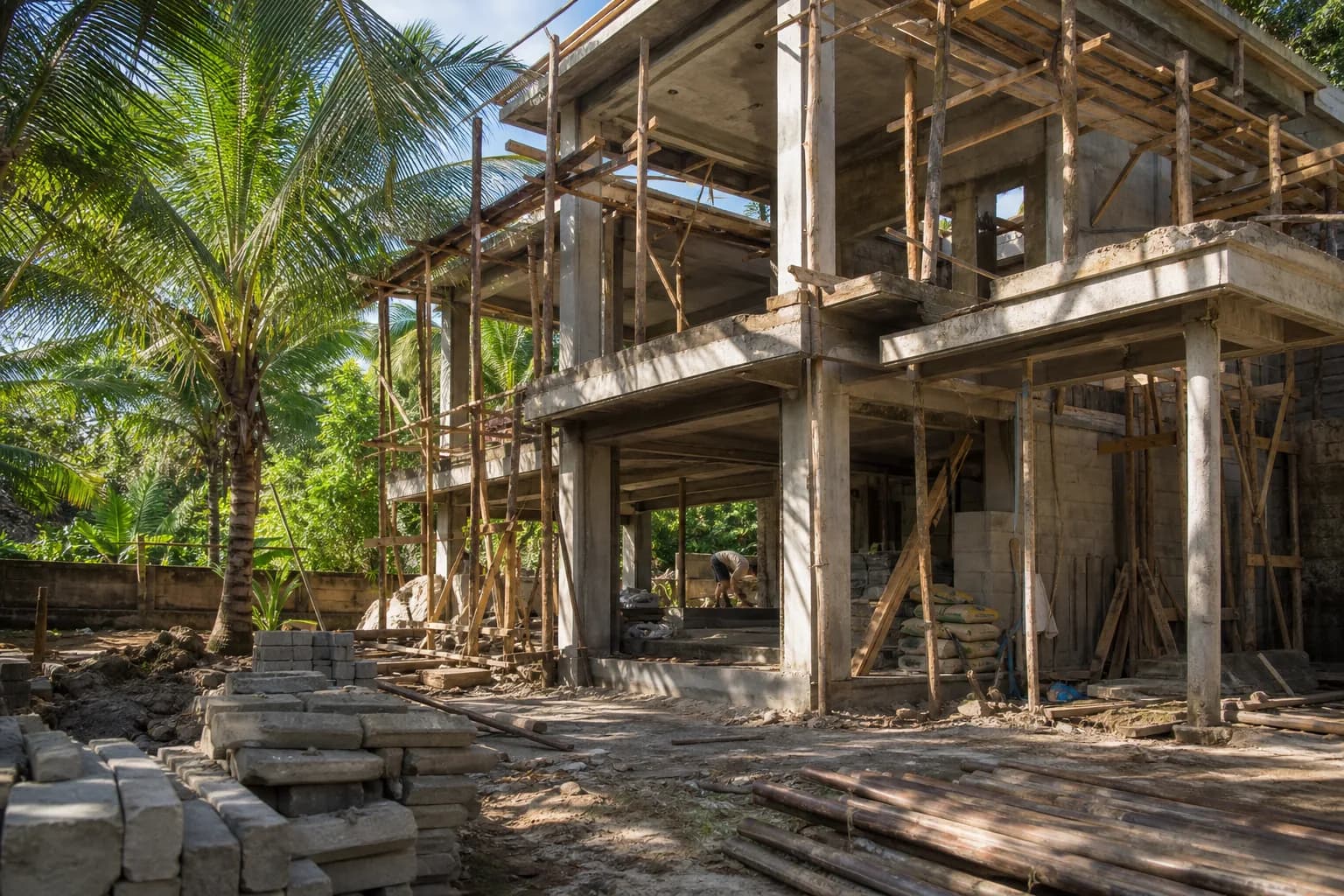
Why Bali Villa Demand Surged in January 2026: A Global Market Analysis
The Real Estate Market Shift Nobody Expected
January 2026 marked a pivotal turning point in Bali’s real estate market. After years of steady but predictable growth, the island witnessed an unprecedented surge in villa construction and land acquisition. Wealthy entrepreneurs, investors, and remote-work professionals from across the globe—particularly from India, the UAE, and China—flooded into Bali with one clear objective: to secure premium property in an emerging investment hotspot.
This article explores the geopolitical, economic, and lifestyle factors driving this boom, and why certain regions—Ubud, Tegallalang, Sanur, and the northern corridor near the new airport—have become the epicenter of this construction revolution.
The Global Context: Why People Are Looking to Relocate Now
1. Geopolitical Instability Drives Relocation Waves
The global landscape in early 2026 is marked by heightened tensions that have convinced millions of high-net-worth individuals (HNWIs) to diversify their geographic footprint. Ongoing conflicts in Eastern Europe, Middle East instability, and trade tensions between major powers have created a climate of uncertainty. For many affluent individuals, this uncertainty translates into a practical need: maintain a secure, productive base outside their home country.
Indonesia—and Bali specifically—offers precisely what the modern nomadic elite seeks: political stability (relative to global peers), transparent real estate laws, favorable tax structures for foreign investors, and a proven track record as a secure investment destination. Unlike some European or Middle Eastern markets affected by sanctions, conflict zones, or rapid policy shifts, Bali remains a neutral, welcoming hub.
2. Why Bali Became the Safe Haven of Choice
Indonesia’s strategic position as a major emerging economy, combined with Bali’s reputation for hospitality and infrastructure, makes it attractive to risk-conscious investors. The island’s development over the past two decades has created a sophisticated ecosystem: international schools, modern healthcare, reliable internet, and a vibrant expat community. For investors fleeing uncertainty, Bali isn’t an exotic escape—it’s a pragmatic hedge against global volatility.
The Three Demographics Driving the 2026 Boom
Indian Entrepreneurs and Tech Founders (Fastest Growing Segment)
Why India? India’s startup ecosystem has exploded, and successful founders now rank among the youngest HNWIs globally. Tax optimization, lifestyle freedom, and the ability to work remotely from an inspiring location have made Bali the go-to destination for this demographic.
Buying Patterns: Indian buyers prioritize:
- Ubud & Tegallalang regions: Desire for cultural immersion, peaceful settings, creative community (yoga retreats, wellness hubs, artist collectives). These regions offer lower land costs ($150k–$400k for quality plots) compared to coastal areas, making it accessible for younger entrepreneurs.
- Investment Scale: Average villa investment: $400k–$800k. Many are building 3–4 bedroom villas for personal use + rental income during non-occupancy periods.
- Financing Strategy: Prefer construction-based partnerships (like Teville) to control quality and own custom designs reflecting personal aesthetics.
Economic Driver: India’s rupee weakness against the dollar makes foreign property ownership attractive from a currency hedging perspective. As the rupee fluctuates, holding property in a stable jurisdiction reduces financial risk.
UAE/Middle East Capital Flight (Largest Transaction Volumes)
Why UAE? The United Arab Emirates, while stable, has seen shifts in investment sentiment. Rising geopolitical tensions in the broader Middle East, combined with UAE’s regulatory changes and periodic speculation about capital controls, have prompted wealthy Gulf nationals to establish secondary bases elsewhere.
Buying Patterns: UAE buyers tend to:
- Target Premium Coastal Areas: Seminyak, Sanur, Jimbaran—areas with international hospitality infrastructure and high rental potential (nightly rates: $200–$600+ during peak season).
- Investment Scale: Average villa investment: $800k–$2.5M. Many acquire multiple properties—one for personal use, others strictly for managed rental operations.
- Professional Management: Prefer turnkey solutions or partnerships with established management companies. They’re building a diversified property portfolio.
- Focus on ROI: 8–15% annual returns via short-term rentals are attractive compared to Dubai or Abu Dhabi’s residential yields. Bali’s lower land costs = higher gross rental income percentages.
Economic Driver: Gulf investors view Bali villas as a currency play. With revenues in USD and EUR (from international rental guests), they capture favorable exchange rates against their home currencies.
Chinese Investors and Business Owners (Strategic Positioning)
Why China? China’s economic trajectory and periodic capital control discussions have motivated successful businesspeople to establish international presence. For many, Bali represents both a lifestyle upgrade and a strategic hedge.
Buying Patterns: Chinese buyers emphasize:
- Northern Bali Corridor: As new airport infrastructure develops near the northern coast, early-movers recognize the potential for appreciation. Land prices in emerging areas like Kubu (20 min from the new northern airport) remain accessible ($200k–$500k per hectare), while long-term growth potential is substantial.
- Investment Scale: Often acquire larger plots (0.5–2 hectares) for residential compounds or boutique villa developments. Total investment: $1M–$4M+.
- Patient Capital: Chinese investors tend to take longer holding periods (10+ years), viewing Bali property as generational wealth rather than short-term ROI plays.
- Development Potential: Some acquire land specifically for future development, working with partners like Teville to master-plan and construct phases of a larger complex.
Economic Driver: CNY depreciation concerns motivate capital diversification into stable asset classes. Real estate, especially in politically stable jurisdictions, offers this stability.
Why These Regions Became the Hotspots in 2026
Ubud & Tegallalang: The Cultural Renaissance Zone
Characteristics:
- Price Point: $600–$1200 per sqm for villa construction (vs. $1500–$2500+ in Seminyak/Canggu).
- Buyer Profile: Digital nomads, remote workers, wellness-focused entrepreneurs, creatives.
- Growth Driver: January 2026 saw a flood of remote-work professionals realizing they could live in a stunning, affordable location while earning Western salaries. Ubud’s slow-village vibe appeals to this cohort.
- Infrastructure: Improved roads, 4G/5G coverage, co-working spaces (Hub, Outpost, etc.), health clinics, and an established international community make relocation seamless.
- Rental Opportunity: Airbnb, Vrbo, and boutique platforms see strong bookings for Ubud villas ($100–$300/night depending on amenities). Wellness retreats, yoga weeks, and digital nomad stays command premium rates.
Why the Surge? Post-pandemic remote-work normalization, combined with visa relaxation (Indonesia’s B211A visa allows 30 days, renewable, and visa-on-arrival programs are welcoming), removed friction from relocation. Early arrivals (2023–2024) demonstrated profitability; word spread rapidly through digital networks.
Sanur & Southern Beaches: The Balanced Lifestyle Play
Characteristics:
- Price Point: $1200–$1800 per sqm.
- Appeal: Beach access, water sports (diving, surfing), international schools, proximity to Bali’s main airport.
- Growth Driver: Families with school-age children, couples seeking beach lifestyle + rental income.
- Rental Potential: $150–$400/night year-round due to consistent tourism.
Northern Corridor (Kubu, Lovina, Banjar): The Emerging Frontier
Why 2026 Was the Inflection Point:
The Ngurah Rai International Airport expansion project, announced years prior, moved into visible construction phase in late 2025. By January 2026, investors realized the northern airport would open in late 2027—fundamentally reshaping island transportation and property values.
Strategic Implications:
- Reduced Travel Friction: Currently, Bali has one international airport in Denpasar (south-central). A northern airport cuts travel time to Ubud, Tegallalang, and Lovina from 2+ hours to 30–45 minutes. This improves property accessibility, attracting buyers with limited Bali experience.
- Land Appreciation: Early-stage land near the northern corridor is priced at $150k–$400k per hectare. Once the airport opens, comparable land in southern zones (Sanur, Kuta) costs $600k–$1M+ per hectare. The spread is enormous.
- Supply Constraints: Northern land supply is still abundant, unlike saturated southern zones. Savvy investors recognized early 2026 as the last window for sub-$300k-per-hectare parcels.
- Developer Interest: Large Indonesian and foreign developers began acquiring clusters for planned communities, driving smaller investor interest.
Data Point: Land transactions in the northern corridor increased ~400% in Q1 2026 vs. Q1 2025. Average prices rose 18% in three months—a clear sign of speculative activity driven by airport expectations.
Economic Tailwinds: Why Construction Timing Aligned Perfectly
1. Material Costs & Labor Availability
In early 2026, construction material costs in Bali remained moderate. Inflation in developed markets hadn’t fully translated to Indonesian materials. Labor availability was excellent—skilled construction crews, architects, and engineers were readily available and competitively priced.
For foreign investors, the math was compelling: build now while labor and materials are affordable, lock in costs, and realize appreciation once the northern airport opens and property values inevitably climb.
2. Permitting and Approval Timeline
Indonesian bureaucracy for villa permits (PBG, SLF) typically takes 4–8 months with proper documentation and support. Projects initiated in January 2026 would reach completion by September–December 2026, allowing owners to test the rental market before the airport opens and demand potentially softens (as supply increases).
3. USD Strength vs. IDR and Investment Currency Alignment
In early 2026, the USD strengthened against most emerging market currencies (IDR, INR, AED, CNY). This created a favorable moment for USD-holding investors to acquire hard assets in Indonesia, as their purchasing power was elevated. Additionally, many investors’ home currencies weakened, making foreign real estate (denominated in USD) relatively attractive as a diversification play.
The Teville Advantage: Why Partnering With Contractors Became Essential
As demand surged, buyers quickly learned that navigating Bali construction independently is fraught with risk:
- Quality Control: Inexperienced contractors cut corners, leading to structural issues, mold, plumbing failures.
- Timeline Slippage: “Local time” and unforeseen site challenges cause delays; investors waiting for completion miss rental windows.
- Permit Complications: Incorrect documentation, zoning issues, or changes in regulations derail projects.
- Design-Build Coordination: Without integrated teams, architects and contractors blame each other for cost overruns.
Established partners like Teville offer:
- End-to-End Service: Land audit, design alignment, permitting, construction, quality assurance, handover.
- Transparent Pricing: Staged payment tied to construction milestones eliminates surprise bills.
- Track Record: Portfolio of completed projects reduces buyer risk.
- Local Expertise: Relationships with authorities, suppliers, and skilled workers accelerate timelines.
- Remote Management: Regular reporting, photos, videos, and direct team access for international clients.
In January–March 2026, Teville and similar boutique firms saw inquiry volume increase 300–400%. Demand for quality construction partnerships outpaced supply.
Market Sentiment & Outlook: What Happens Next?
Near Term (2026–2027): Continued Boom with Supply Constraints
As word spreads and airport completion draws near, property prices are expected to climb 10–20% annually in prime locations (Ubud, Tegallalang, northern corridor). Rental occupancy rates remain strong due to continued tourism and remote-work migration.
However, limited land supply in central zones means prices will stabilize faster than in the north, where supply remains abundant and prices will likely appreciate for 3–4 more years.
Medium Term (2028+): Market Maturation & Consolidation
Once the northern airport opens (late 2027/early 2028), Bali’s real estate market will mature. Property values stabilize; speculative interest subsides. Returns will normalize to 5–10% annually (realistic long-term market average), and the buyer profile shifts from speculative investors to end-users seeking lifestyle and steady rental income.
The Takeaway
The January 2026 surge in Bali villa demand wasn’t coincidental—it was a convergence of global geopolitical uncertainty, demographic wealth creation (especially in India, UAE, China), favorable macroeconomic timing, and infrastructure development (northern airport). Smart investors recognized that windows of opportunity close quickly in emerging markets.
For those considering entry now, the fundamentals remain sound: Bali offers political stability, property appreciation potential, strong rental yields, and lifestyle appeal. However, early-2026 prices were genuinely advantageous. Delays carry the risk of missing the next 2–3 years of appreciation.
Whether you’re a speculative investor, a remote-work professional, or a family seeking a better quality of life, Bali’s villa market in 2026 represents one of the last clear windows for significant upside. The question isn’t whether to invest in Bali—it’s when to act.
Ready to explore your Bali villa opportunity? Connect with our team to discuss land, design, and construction timelines tailored to your vision.
Essential Bali build & buy guides
- Bali villa construction cost per m² in 2026
- How much will your villa cost? Calculator
- Building a villa in Bali: the complete guide
- Buying land in Bali: step-by-step for foreigners
- Bali villa investment: yields, risks, returns
- Leasehold vs freehold: what foreigners can own
- Construction defect liability & 10-year warranty
- Bali building codes and construction standards
Related guides
How to Build a Villa in Bali: The Complete Step-by-Step Process (2026)
Every stage of building a villa in Bali as a foreigner — from securing land and permits to handover — with realistic timelines, costs and the mistakes that derail first-time builders.
5 min read
Moisture-Resistant Gypsum Board Finishing with Epoxy Primer Bali
Learn how moisture-resistant gypsum boards with epoxy primer boost durability, finish quality, and mold resistance in Bali projects. Great for Bali homes.
10 min read
Marine-Grade Timber Joinery Finishing Corrosion Protection Bali
Discover marine-grade timber joinery finishing and corrosion protection in Bali. Durable coastal timber care, coatings, and maintenance for lasting protection.
8 min read