Discover Stunning Buildings in Bali: Architecture Design Guide
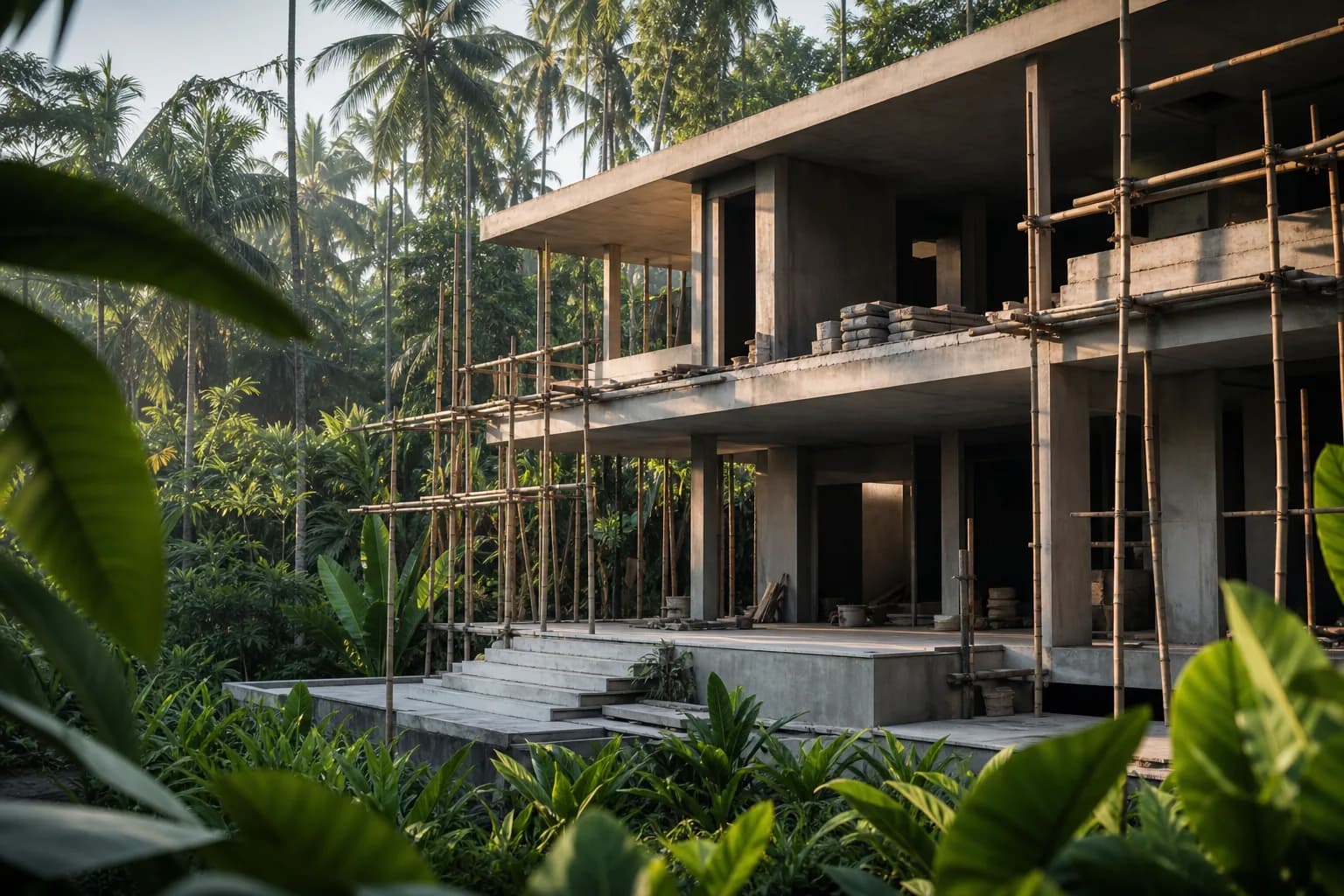
# Building in Bali: Complete 2026 Construction Guide for Villa Development
Introduction to Building in Bali
Building in Bali represents one of the most rewarding yet complex construction endeavors in Southeast Asia. The island’s unique combination of tropical climate, volcanic soil composition, and intricate regulatory framework creates a distinctive environment that demands specialized knowledge and careful planning. Whether you’re considering a luxury villa, boutique resort, or private residence, understanding the technical, legal, and financial aspects of Bali construction is essential for project success.
The Bali construction market in 2026 continues to evolve with increasing sophistication in building standards, environmental regulations, and quality expectations. Foreign investors and local developers alike must navigate a landscape where traditional Balinese architectural principles intersect with modern engineering requirements, creating opportunities for those who approach projects with proper preparation and expert guidance. This comprehensive guide examines every critical aspect of building in Bali, from initial feasibility assessment through final certification.
The Challenge of Construction in Bali’s Unique Environment
Building in Bali presents challenges that distinguish it from construction projects in other tropical destinations. The island’s high humidity levels, averaging 75-85% year-round, accelerate material degradation and require specific material selections and protective treatments. Coastal projects face additional complications from salt-laden air that corrodes metal components and degrades concrete if not properly specified and installed.
The regulatory environment adds another layer of complexity. Foreign ownership restrictions necessitate careful legal structuring, typically through PT PMA (foreign investment company) or leasehold arrangements extending 25-30 years with extension options. Each structure requires different documentation and affects construction planning, financing options, and long-term asset management strategies.
Seismic activity represents a critical consideration often underestimated by international developers. Bali sits within an active seismic zone, requiring earthquake-resistant design principles that influence foundation engineering, structural systems, and material specifications. The 2018 Lombok earthquakes, felt significantly in Bali, reinforced the importance of proper seismic design in all construction projects regardless of size or budget.
Water management challenges extend beyond simple drainage. The island’s intense monsoon season delivers concentrated rainfall that can overwhelm inadequate drainage systems, while the dry season creates water scarcity issues in certain regions. Successful projects integrate comprehensive water management strategies including rainwater harvesting, proper site grading, and sustainable groundwater usage that complies with increasingly strict environmental regulations.
Technical Requirements for Tropical Construction
The technical specifications for building in Bali differ substantially from temperate climate construction. Foundation design must account for volcanic soil characteristics that vary significantly across the island. Southern coastal areas typically feature limestone bedrock at shallow depths, while central regions present clay-rich volcanic soils with different bearing capacities and settlement characteristics. Proper soil investigation through Standard Penetration Tests (SPT) or cone penetration testing is non-negotiable for structural integrity.
Concrete specifications require tropical climate adaptations. Standard mixes must be modified with admixtures that enhance workability in high temperatures while reducing permeability to moisture. The minimum concrete grade for structural elements should be K-225 (equivalent to 18.7 MPa compressive strength), though quality projects typically specify K-300 or higher for critical elements. Proper curing becomes crucial in Bali’s climate, requiring extended wet curing periods of 14-21 days rather than the standard 7 days used in temperate climates.
Steel reinforcement demands comprehensive corrosion protection strategies. All rebar should maintain minimum 40mm concrete cover in non-marine environments and 50-75mm in coastal locations within 1km of the ocean. Epoxy-coated reinforcement or stainless steel specifications provide additional protection for high-value projects, though they increase material costs by 30-50%. Connection details require special attention, as improper lap splices or inadequate anchorage create vulnerability points where corrosion initiates.
Roofing systems must withstand both intense solar radiation and heavy rainfall. Traditional alang-alang (thatched grass) roofing provides excellent insulation and aesthetic appeal but requires replacement every 7-10 years and presents fire risk without proper treatment. Modern alternatives include concrete roof tiles, metal roofing with thermal barriers, or green roof systems that provide superior insulation while managing stormwater. Roof pitch should minimum 30 degrees for adequate water shedding, with proper flashing details at all penetrations and transitions.
Electrical systems require tropical-rated components and comprehensive surge protection. Lightning strikes occur frequently during monsoon season, necessitating proper grounding systems and surge suppression at main panels and sensitive equipment. All exterior outlets and fixtures must carry minimum IP65 ratings for water and dust ingress protection. Wiring should be oversized by one gauge compared to temperate climate standards to account for higher ambient temperatures that reduce current-carrying capacity.
Ventilation and moisture control represent critical technical considerations. Natural ventilation strategies should be maximized through proper building orientation, window placement, and the integration of traditional Balinese architectural elements like open pavilions and cross-ventilation corridors. Mechanical systems require dehumidification capabilities, with air conditioning units sized not just for cooling loads but for moisture removal. Vapor barriers must be carefully detailed to prevent interstitial condensation within wall and roof assemblies.
Termite protection demands proactive strategies rather than reactive treatments. Soil treatment with approved termiticides before slab placement provides the first line of defense. Physical barriers using stainless steel mesh or basaltic rock particles create additional protection. All timber elements should be treated hardwood or naturally termite-resistant species like Bengkirai or Merbau. Regular inspection protocols should be established, as termite damage can progress rapidly in Bali’s climate.
Legal and Regulatory Risks
The permit acquisition process for building in Bali involves multiple government agencies and can extend 6-12 months for complex projects. The primary construction permit, Persetujuan Bangunan Gedung (PBG), replaced the older IMB system in 2020 and requires comprehensive documentation including site plans, structural calculations, architectural drawings, and environmental impact assessments for projects exceeding certain thresholds.
Zoning regulations vary significantly by district and are subject to change. Coastal setback requirements typically mandate 100-meter minimum distances from the high-tide line, though enforcement varies by location. Building height restrictions generally limit structures to 15 meters (approximately 4 stories) in most tourist areas, with stricter limitations near temples and cultural sites. Violations can result in demolition orders, as demonstrated by several high-profile cases in recent years.
The Certificate of Proper Functioning (Sertifikat Laik Fungsi or SLF) represents the final regulatory hurdle before occupancy. This certification verifies that completed construction matches approved plans and meets safety standards. Obtaining SLF requires inspections by certified assessors and can be delayed by any deviations from approved plans, even minor ones. Projects should budget 2-3 months for the SLF process after construction completion.
Land title verification presents significant risk for foreign investors. Not all land classifications permit construction or foreign involvement. Hak Milik (freehold) titles are restricted to Indonesian citizens, while Hak Guna Bangunan (building rights) and Hak Pakai (usage rights) titles can accommodate foreign investment through proper corporate structures. Title searches should extend beyond surface documentation to verify no competing claims, proper inheritance documentation, and absence of traditional village (adat) restrictions.
Environmental compliance requirements have strengthened considerably. Projects exceeding 5,000 square meters typically require full Environmental Impact Assessments (AMDAL), while smaller projects need Environmental Management Plans (UKL-UPL). Wastewater treatment systems must meet discharge standards, with many areas now requiring biological treatment systems rather than simple septic tanks. Failure to obtain proper environmental clearances can halt projects indefinitely.
The Construction Process in Bali
The construction timeline for building in Bali typically extends 12-18 months for a standard villa project, though luxury developments may require 24-30 months. The process begins with site analysis and feasibility assessment, examining soil conditions, access, utilities availability, and regulatory constraints. This phase should include topographic surveys, geotechnical investigations, and preliminary discussions with local planning authorities to identify potential obstacles before significant investment.
Design development requires balancing aesthetic aspirations with technical realities and regulatory requirements. Engaging architects and engineers experienced in Bali construction proves invaluable, as they understand local building codes, material availability, and construction methodologies. The design phase typically spans 2-4 months and should produce comprehensive construction documents including architectural plans, structural engineering calculations, MEP (mechanical, electrical, plumbing) designs, and detailed specifications.
Permit acquisition follows design completion and involves submitting documentation to multiple agencies. The process requires patience and often benefits from engaging local consultants who understand bureaucratic procedures and maintain relationships with relevant officials. Applications must include site plans, building plans, structural calculations, environmental documents, and proof of land rights. Incomplete submissions result in rejections that restart the timeline, making thorough preparation essential.
Contractor selection demands careful vetting beyond simple price comparison. Qualified contractors should demonstrate previous projects of similar scope and quality, maintain proper business licenses and insurance, and provide detailed breakdowns of costs and timelines. The Bali construction market includes contractors ranging from small local teams to international firms, with capabilities and pricing varying accordingly. Site visits to previous projects and reference checks provide crucial insights into actual performance versus promises.
Site preparation and foundation work establish the project’s literal and figurative foundation. Proper site clearing must preserve existing trees where possible, as mature vegetation provides immediate landscaping value and environmental benefits. Excavation should account for adequate drainage and follow geotechnical recommendations for depth and bearing surface preparation. Foundation construction requires careful attention to reinforcement placement, concrete quality, and curing procedures, as remediation of foundation defects proves extremely costly.
Structural frame construction proceeds according to engineering specifications, with critical inspection points at reinforcement placement, concrete pours, and connection details. Quality control becomes paramount, as Bali’s construction culture sometimes prioritizes speed over precision. Regular site supervision by qualified engineers ensures compliance with specifications and identifies issues before they become embedded in the structure. Concrete testing should verify strength achievement before proceeding to subsequent construction phases.
Building envelope completion includes roofing, exterior walls, windows, and doors. This phase makes the structure weather-tight and allows interior work to proceed protected from elements. Material selection significantly impacts long-term performance, with quality windows, doors, and waterproofing systems providing value through reduced maintenance and better durability. Flashing details at all penetrations and transitions require meticulous installation to prevent water intrusion that causes extensive damage in tropical climates.
Interior finishing and MEP installation represent the most visible construction phase but require equal technical attention. Electrical and plumbing rough-in must be completed and tested before wall and ceiling finishes are installed. Tile and stone installation requires proper substrate preparation and appropriate adhesives for tropical conditions. Millwork and cabinetry should use moisture-resistant materials and finishes. The finishing phase typically consumes 40-50% of the construction timeline despite representing a smaller portion of structural work.
Final inspections and certification involve multiple agencies verifying compliance with approved plans and applicable codes. The SLF inspection examines structural integrity, fire safety systems, electrical installations, plumbing, and overall building functionality. Deficiencies must be corrected before certification is granted. Parallel processes include utility connections, occupancy permits, and any required tourism licenses if the property will operate commercially.
Cost Analysis for Building in Bali
Construction costs for building in Bali in 2026 range from $1,000 to $1,800 per square meter for villa projects, with significant variation based on quality level, finishes, and location. Budget-tier construction at $1,000-1,200 per square meter delivers functional buildings with standard Indonesian materials, basic finishes, and minimal architectural complexity. This category suits rental investment properties where cost control outweighs design aspirations, though quality should never be compromised on structural and waterproofing elements.
Mid-r
 3124 m²6 month(s)from 123.000 USD
TALA 8
 3180 m²7 month(s)from 142.000 USD
Vasudeva
 3127 m²9 month(s)from 177.000 USD
Mukunda
 1from 198.000 USD
Private: Haridas Villas

Want to calculate?
 164 m²7 month(s)from 79.000 USD
TALA TWO
 172 m²8 month(s)from 120.000 USD
Keshava
 3104 m²11 month(s)from 99.000 USD
TALA 100
 4344 m²16 month(s)from 290.000 USD
Radha
164 m²7 month(s)from 79.000 USDPrivate: Haridas Villas, Tegallalang
 3173 m²6 month(s)from 125.000 USD
TALA FOUR
 2144 m²11 month(s)from 104.000 USD
Narayana
Start With Real Numbers, Not Guesses
Before buying land or finalizing a design, check the realistic build cost range for your project in Bali.
Our team reviews your inputs and gives a grounded estimate.
Available lands
 600 m²10 min$ 206897Bali, Canggu
 3254 m²5 min$ 631800Bali, All
 680 m²15 min$ 110751Bali, Pererenan
 3100 m²15 min$ 257697Bali, Tegallalang
 2200 m²15 min$ 508005Bali, Canggu
 1600 m²32 min$ 266010Bali, Tabanan
 4270 m²10 min$ 394397Bali, Ubud
 260 m²5 min$ 51872Bali, Kedungu
 800 m²5 min$ 295567Bali, Seseh
 7000 m²36 min$ 284483Bali, Gianyar
 700 m²8 min$ 165517Bali, Umalas
 1362 m²15 min$ 335468Bali, Tumbak
 500 m²15 min$ 124692Bali, Kaba Kaba
 6000 m²30 min$ 55419Bali, Tabanan
 700 m²15 min$ 162500Bali, Tabanan
Essential Bali build & buy guides
- Bali villa construction cost per m² in 2026
- How much will your villa cost? Calculator
- Building a villa in Bali: the complete guide
- Buying land in Bali: step-by-step for foreigners
- Bali villa investment: yields, risks, returns
- Leasehold vs freehold: what foreigners can own
- Construction defect liability & 10-year warranty
- Bali building codes and construction standards
Related guides
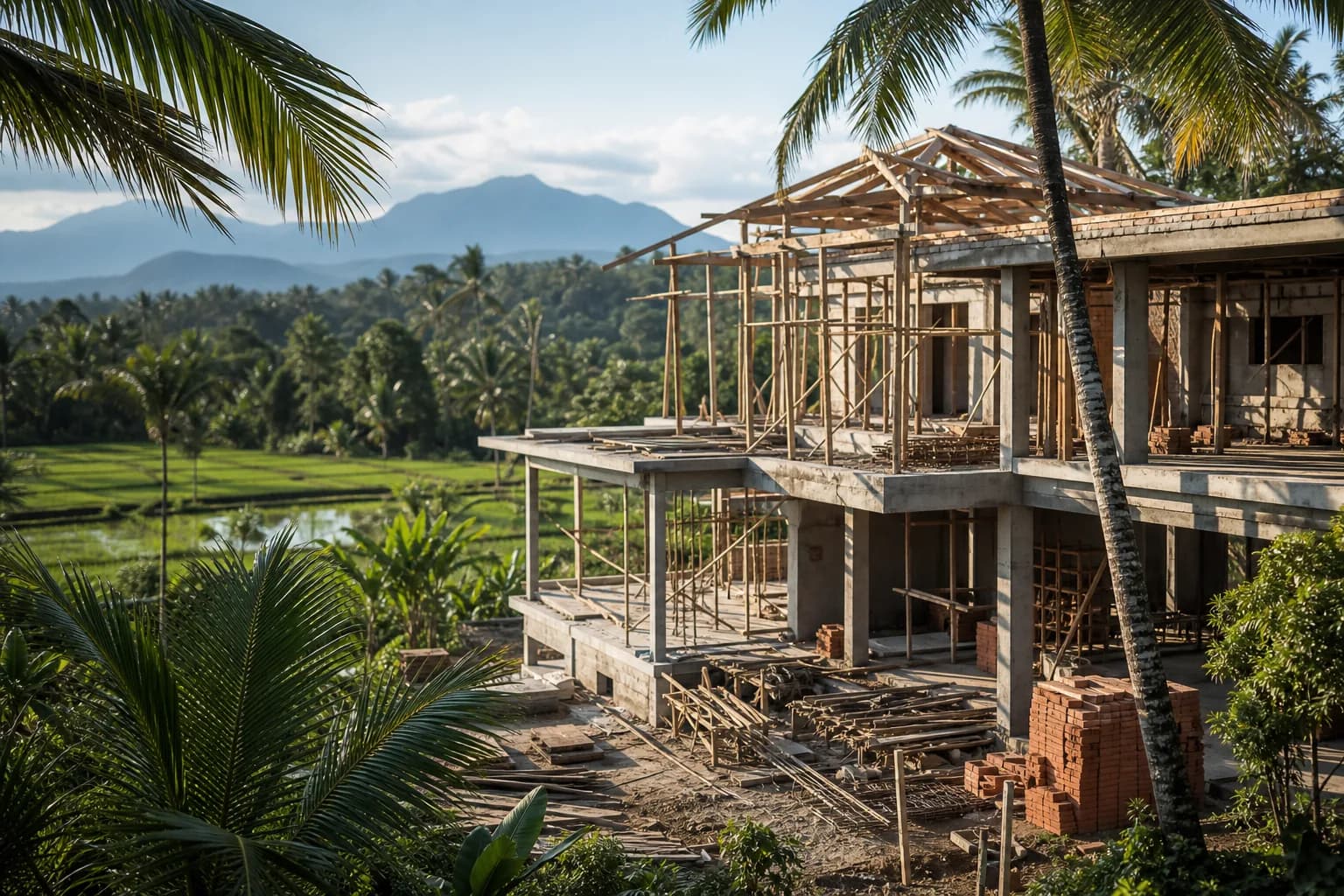
How to Build a Villa in Bali: The Complete Step-by-Step Process (2026)
Every stage of building a villa in Bali as a foreigner — from securing land and permits to handover — with realistic timelines, costs and the mistakes that derail first-time builders.
5 min read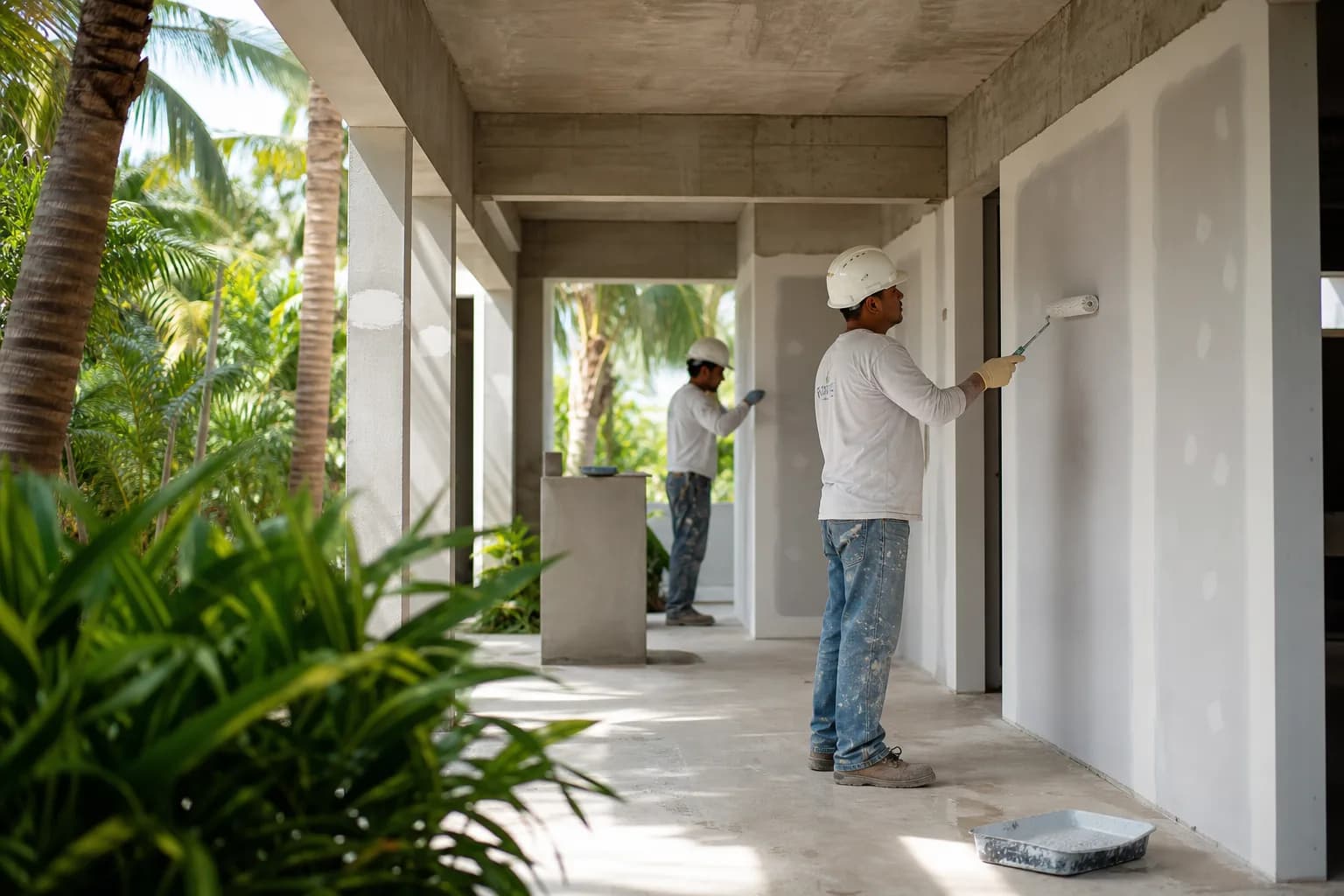
Moisture-Resistant Gypsum Board Finishing with Epoxy Primer Bali
Learn how moisture-resistant gypsum boards with epoxy primer boost durability, finish quality, and mold resistance in Bali projects. Great for Bali homes.
10 min read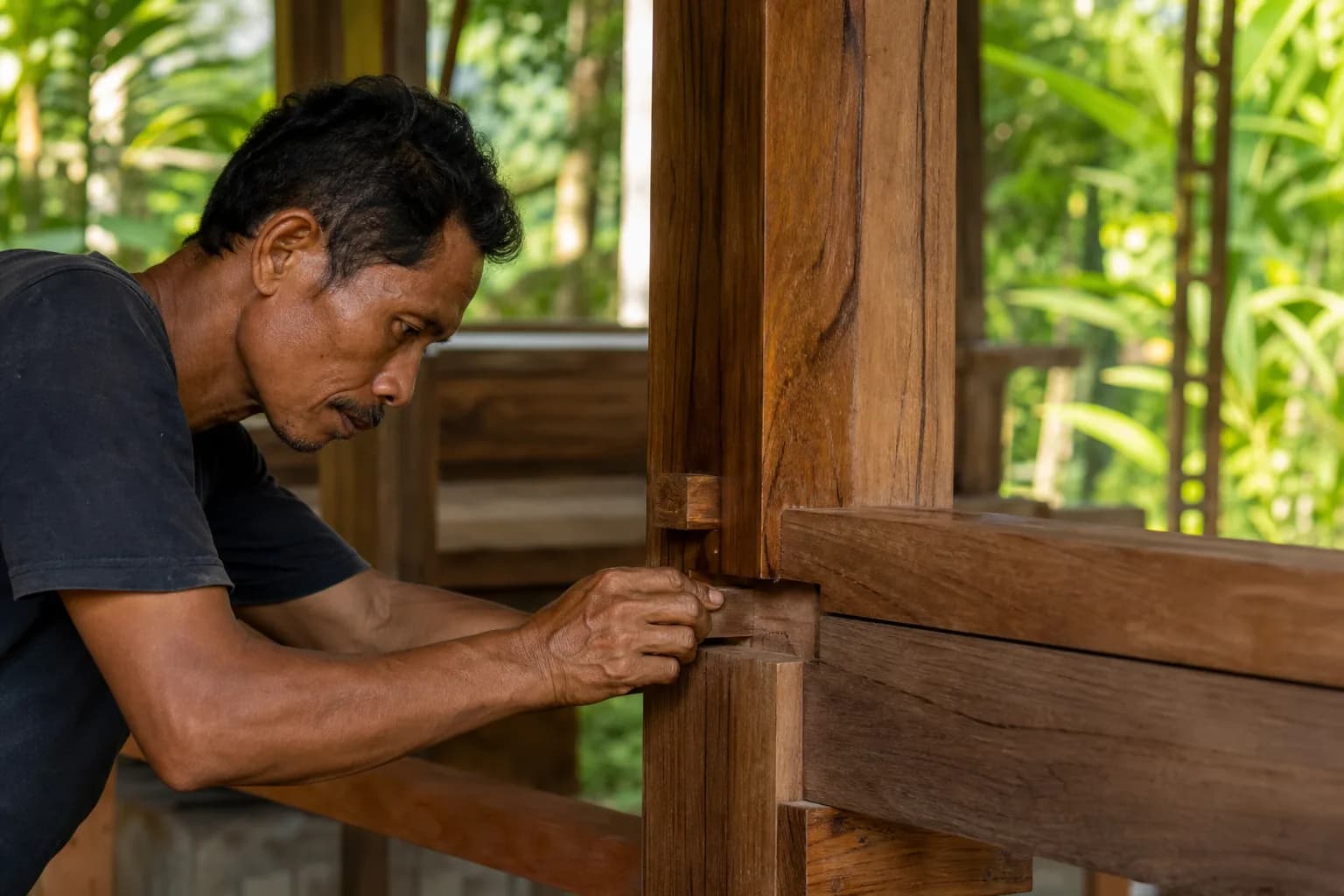
Marine-Grade Timber Joinery Finishing Corrosion Protection Bali
Discover marine-grade timber joinery finishing and corrosion protection in Bali. Durable coastal timber care, coatings, and maintenance for lasting protection.
8 min read