Buy Land in Bali for Villa | Prime Properties
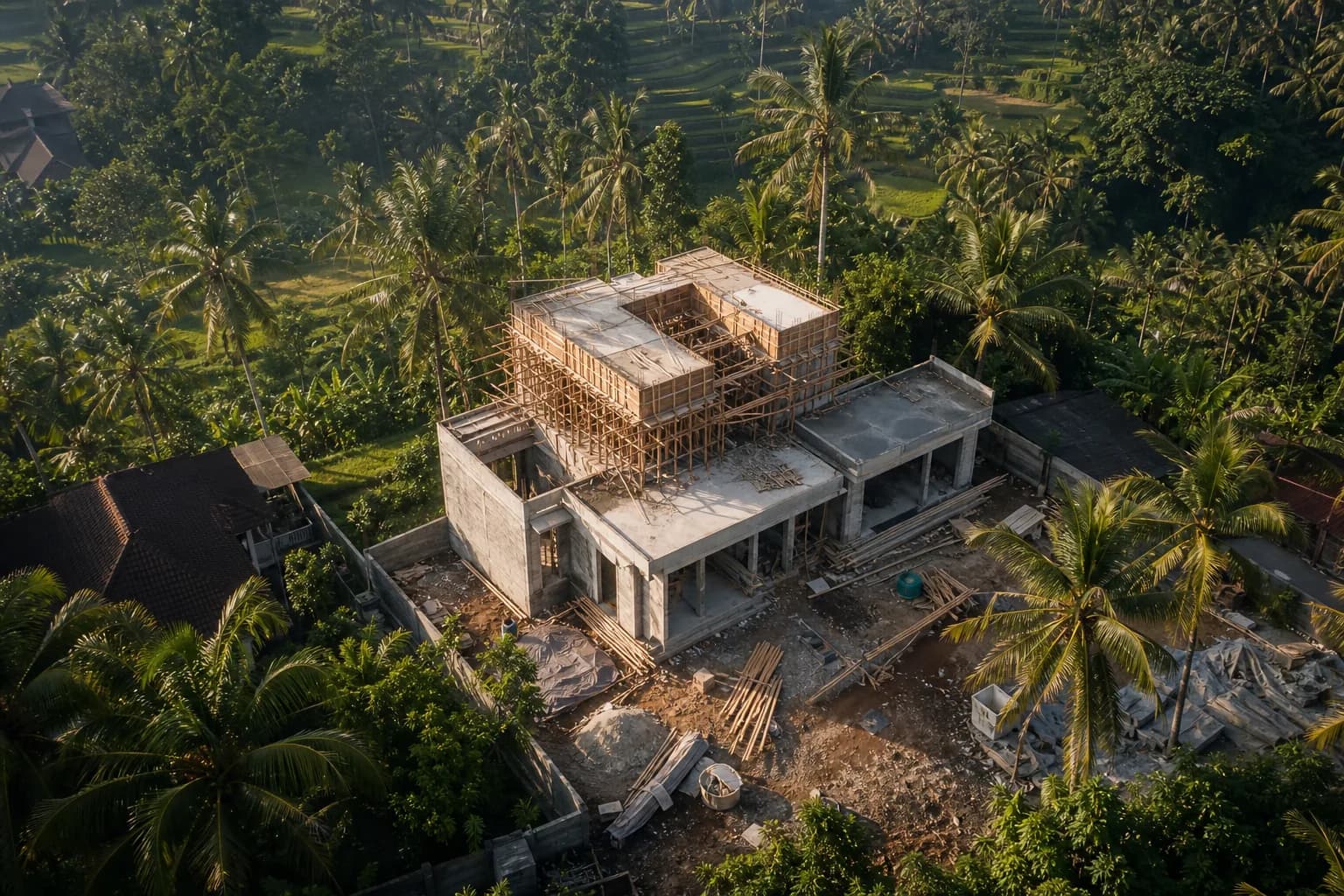
Why Land Selection Determines 80% of Your Villa Project Success in Bali
When you decide to buy land in Bali for villa development, you’re making the single most critical decision of your entire construction journey. Most investors focus on architectural designs, interior finishes, and construction timelines—but experienced developers know the truth: your land choice will determine whether your villa becomes a profitable asset or an expensive liability.
The foundation of every successful villa project isn’t poured concrete or steel reinforcement. It’s the due diligence you conduct before signing any land agreement. A stunning architectural design cannot compensate for a plot with drainage issues, access road disputes, or zoning restrictions that prevent your intended use. The most skilled construction team cannot overcome fundamental land problems that should have been identified during the acquisition phase.
At Teville, we’ve witnessed countless scenarios where investors purchased land based on location appeal alone, only to discover during the construction phase that their plot has overlapping ownership claims, inadequate road access, or soil conditions requiring foundation costs that double the initial budget. These aren’t rare exceptions—they’re common enough that we now require comprehensive land audits before accepting any villa construction project.
This guide explains exactly how to evaluate and verify land before purchase, why shortcuts in this process create expensive problems later, and how professional land assessment protects your investment from the start. Whether you’re considering leasehold or freehold options, planning a single villa or a multi-unit development, the principles outlined here will help you avoid the costly mistakes we see regularly in Bali’s construction industry.
Understanding Land Ownership Options: Leasehold vs Freehold Realities
Before you buy land in Bali for villa construction, you must understand the fundamental difference between leasehold and freehold ownership—and more importantly, what these terms actually mean in practical, legal, and financial contexts specific to Indonesia.
Freehold (Hak Milik): The Indonesian Citizen Option
Freehold ownership in Indonesia is exclusively available to Indonesian citizens. This isn’t a technicality that can be circumvented through creative legal structures—it’s constitutional law. Foreign investors who attempt to hold freehold land through nominee arrangements are operating in a legal grey area that exposes them to significant risk, including complete loss of the property if the nominee relationship deteriorates or if authorities investigate the arrangement.
If you’re a foreign investor, understanding this limitation isn’t about finding loopholes—it’s about making informed decisions within the legal framework. Some investors partner with Indonesian spouses or trusted business partners who hold freehold title, but these arrangements require exceptional legal documentation, prenuptial agreements, and relationship stability that extends decades into the future.
Leasehold (Hak Sewa): The Standard Foreign Investment Path
Leasehold agreements allow foreign investors to legally control and develop land for specified periods, typically 25-30 years with extension options. This is the legitimate path for most foreign investors who want to buy land in Bali for villa projects. However, leasehold isn’t simply “renting land”—it’s a complex legal instrument that requires careful structuring.
The critical elements of a properly structured leasehold agreement include: clearly defined extension terms with predetermined pricing formulas, explicit building and development rights, transferability provisions that allow you to sell the leasehold to future buyers, and registration with the local land office (BPN) to ensure the agreement is legally enforceable beyond just a contract between two parties.
Extension Costs and Long-Term Planning
One of the most commonly overlooked aspects when investors buy land in Bali for villa development is the future cost of lease extensions. A 25-year lease might seem sufficient, but if you’re building a villa for rental income or eventual resale, the remaining lease term becomes a critical factor in property valuation.
Extension costs are typically negotiated upfront but calculated based on land values at the time of extension. In rapidly appreciating areas like Canggu or Uluwatu, land that costs $150 per square meter today might be valued at $400 per square meter in 25 years. If your lease extension is calculated as a percentage of current land value, you need to model these costs into your long-term financial projections.
We recommend negotiating fixed-price extensions or extensions calculated as a percentage of the original purchase price, not future market value. This single negotiation point can mean the difference between a manageable extension cost and one that makes the property financially unviable to maintain or sell.
Leasehold vs Freehold: Impact on Construction Decisions
Your ownership structure directly impacts construction decisions. Leasehold properties with 20+ years remaining typically justify full-scale villa construction with premium materials and finishes. Properties with shorter remaining terms might be better suited for lighter construction that maximizes near-term returns rather than long-term durability.
This isn’t about cutting corners—it’s about aligning construction investment with the economic reality of your land tenure. At Teville’s construction process, we help clients understand these trade-offs and design buildings that match both their vision and their ownership timeline.
Zoning Regulations and Building Limitations: What Your Land Can Actually Support
When you buy land in Bali for villa development, the purchase price is just the beginning. The real question is: what can you legally build on that land? Bali’s zoning regulations, building coefficients, and land use designations determine everything from maximum building height to allowable commercial activities.
Understanding IMB and Land Use Designations
The IMB (Izin Mendirikan Bangunan) is your building permit, but before you can obtain one, you need to verify that your intended use matches the land’s official designation. Land classified for residential use cannot legally operate as a commercial hotel. Land in green belt zones has strict limitations on building coverage and height.
These aren’t suggestions—they’re legal requirements enforced by local building departments. We’ve seen investors purchase land planning to build a 4-story villa with ground-floor restaurant, only to discover their plot is zoned for single-family residential with a 2-story maximum height restriction. The financial impact of such discoveries after purchase can be devastating.
Building Coefficients: KDB, KLB, and KDH
Indonesian building regulations use three critical coefficients that determine what you can build:
- KDB (Koefisien Dasar Bangunan): The maximum percentage of land that can be covered by building footprint. In many Bali residential zones, this is 40-60%, meaning a 500 sqm plot might only allow 200-300 sqm of building footprint.
- KLB (Koefisien Lantai Bangunan): The ratio of total building floor area to land area. A KLB of 1.2 on a 500 sqm plot allows 600 sqm of total building area across all floors.
- KDH (Koefisien Daerah Hijau): The minimum percentage of land that must remain as green space, typically 30-40% in residential zones.
These coefficients directly impact your villa design. A plot that looks spacious might have building limitations that prevent the 4-bedroom villa you envisioned. Before you buy land in Bali for villa construction, verify these coefficients with the local planning office, not just with the seller’s claims.
Setback Requirements and Boundary Regulations
Bali building codes require specific setbacks from property boundaries—typically 3-5 meters from front boundaries, 2-3 meters from side boundaries, and similar distances from rear boundaries. These setbacks aren’t negotiable, and they significantly reduce your usable building area.
A 300 sqm plot might seem adequate for your villa design, but after applying required setbacks, your actual buildable area might be only 150-180 sqm. This is why experienced developers always calculate net buildable area, not just total land size, when evaluating whether a plot can accommodate their project.
Height Restrictions and View Corridors
Many areas in Bali have strict height limitations, typically 12-15 meters maximum, which translates to 3-4 stories depending on floor-to-ceiling heights. Some areas near temples, cultural sites, or in specific village zones have even stricter limitations.
If you’re purchasing land specifically for ocean views or rice field vistas, verify that future construction on neighboring plots won’t block those views. Bali doesn’t have view easement laws like some Western countries—your neighbor can legally build to maximum allowable height even if it completely blocks your view.
Access Roads and Infrastructure: The Overlooked Deal-Breakers
Road access seems obvious until you encounter the reality of Bali’s complex land access situations. When you buy land in Bali for villa development, the quality, legality, and permanence of road access can make or break your project’s viability.
Legal Road Access vs Physical Access
Just because you can currently drive to a plot doesn’t mean you have legal, permanent road access. Many plots in Bali are accessed through private roads crossing other people’s land, informal village paths, or routes that exist by custom rather than legal right-of-way.
Legal road access means documented right-of-way that’s registered with land authorities and cannot be blocked by neighboring landowners. Physical access means you can currently reach the plot, but that access could be legally challenged or physically blocked at any time.
We’ve worked on projects where construction had to stop mid-build because a neighbor blocked the access road, demanding payment for continued use. The legal resolution took months and cost tens of thousands of dollars—all because the investor didn’t verify legal road access before purchase.
Road Width and Construction Vehicle Access
Bali’s building regulations typically require minimum 3.5-meter road width for building permits in residential areas. But beyond legal requirements, consider practical construction needs: concrete mixer trucks, material delivery vehicles, and excavation equipment require adequate road width and turning radius.
A narrow 2-meter gang (alley) might be charming and provide legal access, but it will significantly increase your construction costs. Materials will need to be hand-carried, concrete might need to be mixed on-site rather than delivered, and equipment access will be limited. These constraints can add 15-25% to construction costs compared to sites with proper road access.
Road Surface and Maintenance Responsibilities
Who maintains the access road? If it’s a public road, the government handles maintenance. If it’s a private road through a development, there should be a homeowners association with clear maintenance responsibilities and fee structures. If it’s an informal village path, maintenance might be ad-hoc or dependent on neighboring landowners’ cooperation.
During Bali’s rainy season, unpaved or poorly maintained roads can become impassable, affecting construction schedules and future guest access if you’re building a rental villa. Factor road improvement costs into your budget if the current access is inadequate.
Future Road Development and Land Value
Conversely, verify any planned road developments that might affect your land. Government road widening projects can require land dedication from property owners, potentially reducing your plot size. New road construction can increase land values but might also bring increased traffic and noise.
Check with local planning offices about any infrastructure projects planned for the next 5-10 years that might impact your property. This information isn’t always volunteered by sellers but is public record available through proper due diligence.
Topography, Drainage, and Soil Conditions: The Hidden Cost Multipliers
When you buy land in Bali for villa construction, the land’s physical characteristics often have more financial impact than the purchase price itself. Topography, drainage patterns, and soil conditions determine foundation requirements, site preparation costs, and long-term building stability.
Slope and Terracing Requirements
Bali’s dramatic landscapes include many sloped plots that offer stunning views but require significant terracing and retaining wall construction. A 15-degree slope might seem manageable, but proper terracing with engineered retaining walls can cost $50,000-$150,000 depending on the height and length of walls required.
Sloped sites also require more complex foundation systems, potentially including deep pilings or stepped foundations that cost significantly more than simple pad foundations on flat land. The architectural appeal of a hillside villa must be weighed against these additional structural costs.
At Teville, we conduct topographic surveys before providing construction estimates because slope conditions can change project costs by 30-50%. A $300,000 villa on flat land might cost $400,000-$450,000 on a significantly sloped site with the same design.
Drainage Patterns and Flood Risk
Bali’s tropical climate brings intense rainfall, and proper drainage is critical for building longevity. Before purchasing land, observe drainage patterns during rain, check for standing water, and verify that the plot isn’t in a natural water flow path.
Rice fields are engineered water management systems. Land adjacent to or converted from rice fields often has complex drainage requirements. You might need to maintain certain water channels, install drainage systems that don’t disrupt neighboring fields, or deal with seasonal water table fluctuations that affect foundations.
Flood-prone areas require elevated foundations, enhanced waterproofing, and drainage systems that add significant costs. More importantly, flood risk affects insurance availability and costs, resale value, and rental appeal. A villa that floods during heavy rain will struggle in the rental market regardless of its other qualities.
Soil Bearing Capacity and Foundation Requirements
Soil conditions determine foundation design and costs. Bali’s soil varies dramatically—from stable volcanic rock to soft clay to sandy coastal soils. Each requires different foundation approaches with vastly different costs.
A geotechnical survey costs $500-$1,500 but can reveal soil conditions that require deep pilings instead of simple pad foundations—a difference of $30,000-$80,000 in foundation costs. This is why professional developers always conduct soil testing before finalizing land purchases.
Soft or unstable soils might require soil improvement, deep foundations, or even make construction economically unviable. Coastal areas with high water tables present additional challenges including saltwater corrosion of foundations and the need for specialized waterproofing systems.
Existing Vegetation and Site Clearing
Large trees, dense vegetation, and existing structures all affect site preparation costs. Mature trees might seem like assets, but if they’re located where your villa needs to be built, removal costs can be substantial—and some protected tree species require special permits for removal.
Site clearing costs vary from $2,000-$3,000 for simple grass and small vegetation to $10,000-$20,000 for sites with large trees, existing structures, or dense jungle vegetation. Factor these costs into your land evaluation, especially for undeveloped plots.
Neighboring Properties and Future Development: Protecting Your Investment
When you buy land in Bali for villa development, you’re not just buying your plot—you’re buying into a neighborhood whose future development will significantly impact your property’s value and appeal.
Current Neighbor Assessment
Visit the site multiple times at different times of day and week. What seems like a quiet location on Tuesday afternoon might be next to a busy warung with late-night activity or near a temple with regular ceremonies involving loud music and crowds.
Assess neighboring properties for potential issues: commercial operations that might expand, vacant land that might be developed, or existing buildings that appear unstable or poorly maintained. Your villa’s rental appeal and resale value will be affected by everything within 50-100 meters of your property.
Future Development Potential of Surrounding Land
Check zoning for neighboring plots. If you’re building a luxury villa for privacy and tranquility, verify that adjacent land isn’t zoned for commercial use or high-density residential development. A quiet rice field view today could become a 4-story hotel tomorrow if the land is zoned for commercial use.
In rapidly developing areas like Canggu or Pererenan, land use can change dramatically within 2-3 years. While you can’t prevent legal development on neighboring land, you can make informed decisions about whether a location’s current appeal is likely to remain stable or change significantly.
Village and Community Considerations
Bali’s traditional village structure (banjar) has authority over certain aspects of land use and community life. Good relationships with the local banjar are essential for smooth construction and long-term property management.
Some villages have specific requirements for property owners, including participation in ceremonies, contributions to community activities, or adherence to traditional architectural guidelines. Understanding these expectations before purchase prevents future conflicts and ensures your villa integrates well into the community.
Utility Infrastructure and Future Availability
Verify current utility availability and future infrastructure plans. Properties with existing PLN electricity connections, municipal water access, and fiber internet have significant advantages over those requiring well drilling, generator backup, and satellite internet.
In developing areas, check government plans for utility expansion. Land that currently lacks municipal water might have it available within 2-3 years, affecting both construction costs and long-term operating expenses. Conversely, areas with unreliable electricity might remain problematic for years, affecting rental appeal and requiring expensive backup systems.
Legal Due Diligence: Title Verification and Ownership Claims
The legal verification process when you buy land in Bali for villa development is where most foreign investors feel most vulnerable—and rightfully so. Indonesian land law is complex, documentation can be incomplete or co
 4344 m²16 month(s)from 290.000 USD
Radha
 3173 m²6 month(s)from 125.000 USD
TALA FOUR

Want to calculate?
 3127 m²9 month(s)from 177.000 USD
Mukunda
 164 m²7 month(s)from 79.000 USD
TALA TWO
 3124 m²6 month(s)from 123.000 USD
TALA 8
 2144 m²11 month(s)from 104.000 USD
Narayana
 3104 m²11 month(s)from 99.000 USD
TALA 100
164 m²7 month(s)from 79.000 USDPrivate: Haridas Villas, Tegallalang
 172 m²8 month(s)from 120.000 USD
Keshava
 1from 198.000 USD
Private: Haridas Villas
 3180 m²7 month(s)from 142.000 USD
Vasudeva
Start With Real Numbers, Not Guesses
Before buying land or finalizing a design, check the realistic build cost range for your project in Bali.
Our team reviews your inputs and gives a grounded estimate.
Available lands
 220 m²2 min$ 66565Bali, Cemagi
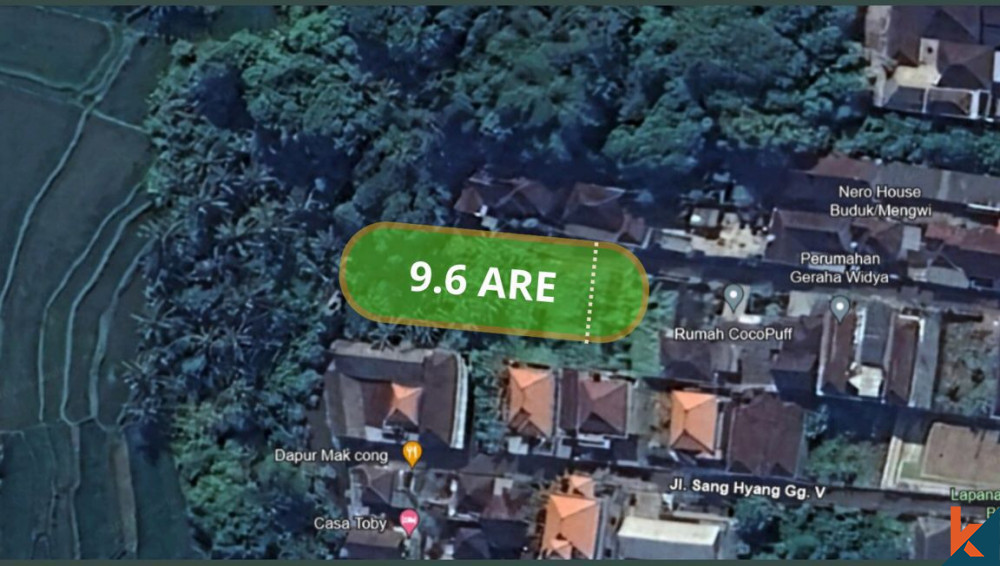 960 m²15 min$ 91034Bali, Mengwi
 29000 m²6 min$ 3857143Bali, Tabanan
 325 m²15 min$ 44472Bali, Ungasan
 7000 m²36 min$ 284483Bali, Gianyar
 1720 m²2 min$ 241478Bali, Tabanan
 700 m²15 min$ 90517Bali, Central Bali
 13000 m²1 min$ 920567Bali, Pekutatan
 2700 m²30 min$ 314224Bali, Sidemen
 1000 m²10 min$ 303571Bali, Tabanan
 2115 m²5 min$ 1139547Bali, Pererenan
 2850 m²15 min$ 315887Bali, Tabanan
 2000 m²15 min$ 261700Bali, Babakan
 4270 m²10 min$ 394397Bali, Ubud
 444 m²10 min$ 111000Bali, Tabanan
Essential Bali build & buy guides
- Bali villa construction cost per m² in 2026
- How much will your villa cost? Calculator
- Building a villa in Bali: the complete guide
- Buying land in Bali: step-by-step for foreigners
- Bali villa investment: yields, risks, returns
- Leasehold vs freehold: what foreigners can own
- Construction defect liability & 10-year warranty
- Bali building codes and construction standards
Related guides
How to Build a Villa in Bali: The Complete Step-by-Step Process (2026)
Every stage of building a villa in Bali as a foreigner — from securing land and permits to handover — with realistic timelines, costs and the mistakes that derail first-time builders.
5 min read
Moisture-Resistant Gypsum Board Finishing with Epoxy Primer Bali
Learn how moisture-resistant gypsum boards with epoxy primer boost durability, finish quality, and mold resistance in Bali projects. Great for Bali homes.
10 min read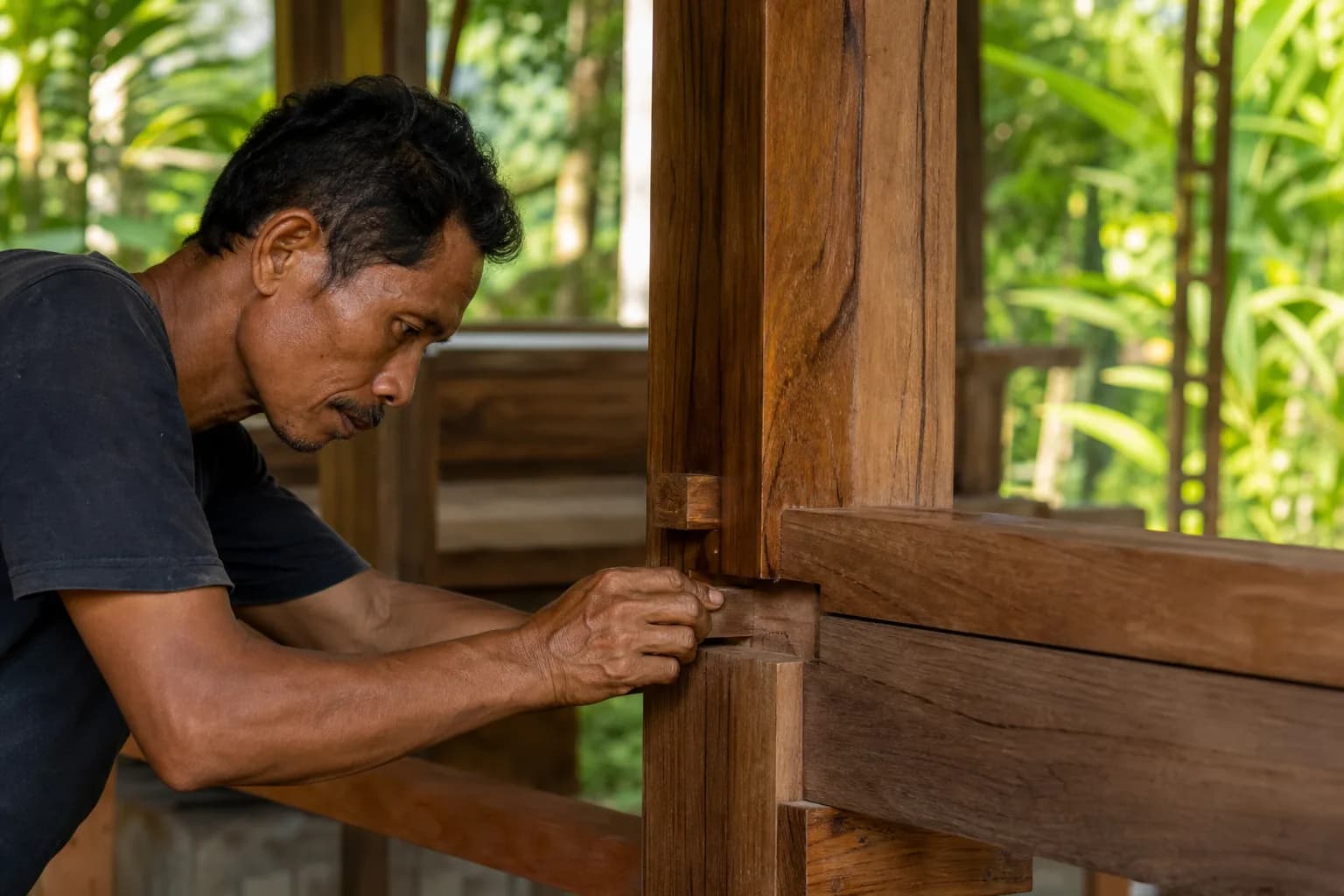
Marine-Grade Timber Joinery Finishing Corrosion Protection Bali
Discover marine-grade timber joinery finishing and corrosion protection in Bali. Durable coastal timber care, coatings, and maintenance for lasting protection.
8 min read