Acoustic Ceiling Tiles for Bali Villa Home Offices
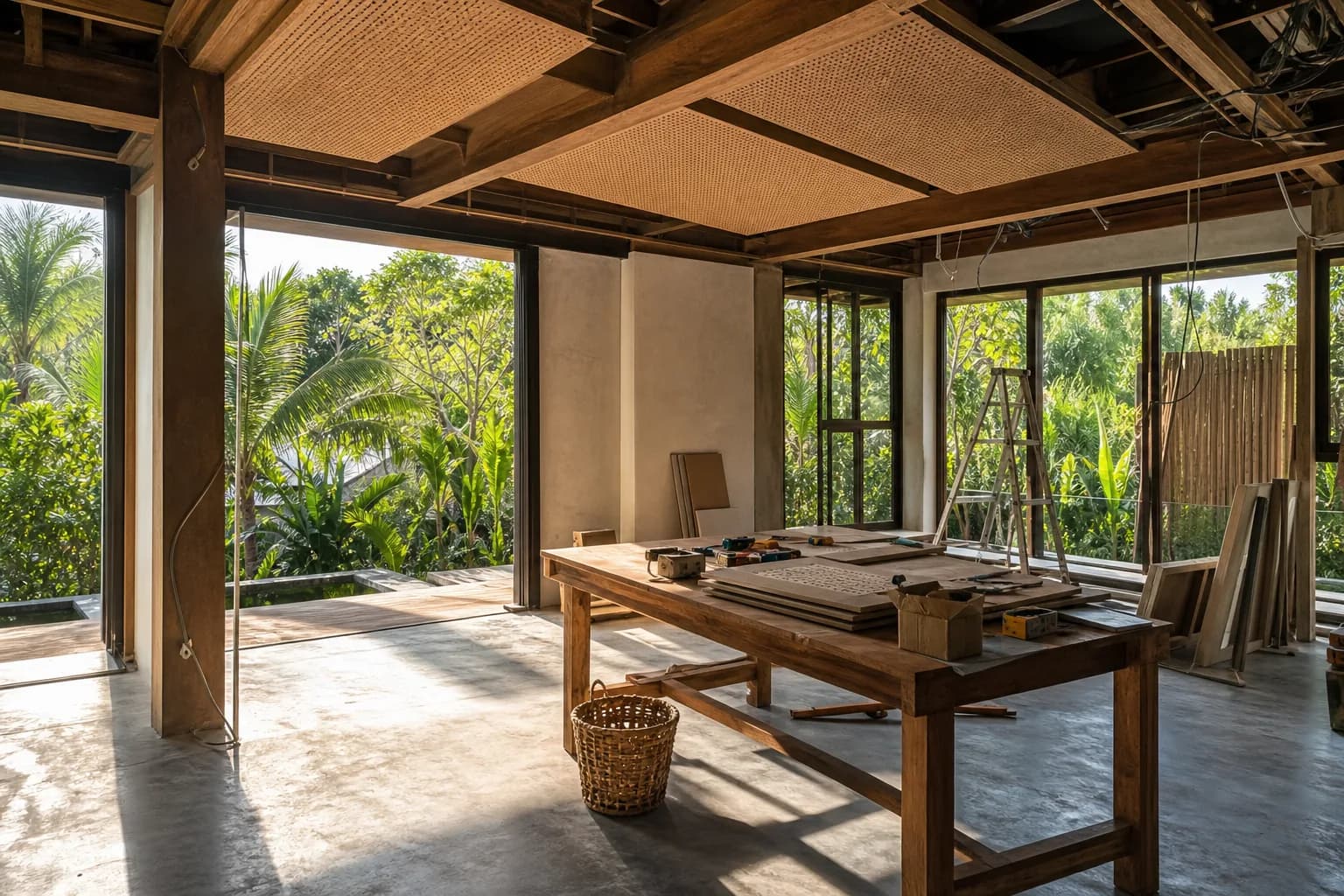
Acoustic Ceiling Tile Installation for Bali Villa Home Offices: A Complete Technical Guide
Creating a productive home office within a Bali villa presents unique challenges that extend far beyond aesthetic considerations. The tropical climate, external noise from surrounding properties, and the need for professional acoustic treatment require specialized knowledge and precise execution. As a full-cycle construction company with extensive experience in Bali villa finishing works, Teville understands that acoustic ceiling tile installation represents one of the most critical finishing elements for establishing a functional, distraction-free workspace. This comprehensive guide addresses the specific technical requirements, material selections, and installation procedures necessary to achieve professional-grade acoustic performance in your villa home office.
The Specific Challenge: Why Bali Villa Home Offices Demand Specialized Acoustic Solutions
Bali’s tropical environment creates distinct acoustic challenges that standard residential construction cannot adequately address. Unlike temperate climates where home offices might require minimal sound treatment, Bali villas face persistent external noise sources: monsoon rainfall on metal roofing, neighboring properties with open-air designs, construction activities, scooter traffic, and tropical wildlife. Additionally, the open architectural philosophy prevalent in Balinese design—featuring large windows, high ceilings, and minimal interior walls—naturally amplifies sound transmission rather than containing it.
When you’re establishing a professional home office within a Bali villa, acoustic ceiling tile installation becomes essential infrastructure rather than optional enhancement. The problem isn’t merely comfort; it’s functionality. Video conferences become impossible with background noise, concentration deteriorates, and the professional credibility of your workspace suffers. Standard drywall ceilings offer minimal sound absorption, typically providing only 0.2 to 0.3 Noise Reduction Coefficient (NRC) ratings. Acoustic ceiling tiles, by contrast, can achieve NRC ratings between 0.70 and 0.95, fundamentally transforming your office environment. The challenge lies in selecting appropriate materials for Bali’s humidity levels, installing them correctly within the villa’s structural constraints, and ensuring long-term durability in tropical conditions.
Technical Deep Dive: Understanding Acoustic Ceiling Tile Performance in Tropical Environments
Acoustic ceiling tiles function through a deceptively simple principle: sound energy dissipates within the porous material structure rather than reflecting back into the room. However, this mechanism becomes significantly more complex when applied to Bali’s specific environmental conditions. The tropical climate—characterized by high humidity (typically 70-90%), intense solar radiation, and seasonal monsoon moisture—directly impacts acoustic tile performance and longevity.
Material Composition and Acoustic Properties
Professional acoustic ceiling tiles for Bali villa applications typically consist of mineral fiber or fiberglass cores, bound with specialized resins and faced with protective coatings. Mineral fiber tiles, composed of recycled glass and stone materials, offer superior moisture resistance compared to cellulose-based alternatives. The fiber structure creates microscopic air pockets—typically 80-90% air by volume—that trap sound waves and convert acoustic energy into minimal heat dissipation. This porous structure is precisely why material selection matters critically in Bali: tiles must maintain structural integrity despite constant humidity exposure.
The Noise Reduction Coefficient (NRC) rating measures a material’s ability to absorb sound across different frequencies. A 1-inch thick mineral fiber tile typically achieves NRC 0.75-0.80, while 2-inch tiles reach 0.85-0.95. For Bali villa home offices, 1-inch tiles represent the optimal balance between acoustic performance and spatial efficiency, as they provide substantial sound absorption without consuming excessive ceiling height—a critical consideration in villas where architectural character often depends on ceiling proportions.
Humidity Management and Material Degradation
Bali’s humidity presents the primary technical challenge for acoustic ceiling installation. Standard acoustic tiles absorb moisture, which causes several problems: dimensional swelling, sagging, mold growth, and acoustic performance degradation. When tiles absorb moisture, their porous structure becomes partially filled with water rather than air, reducing sound absorption capacity by 15-30%. Additionally, moisture promotes mold and mildew colonization, creating health hazards and aesthetic deterioration.
Professional-grade tiles for tropical applications incorporate moisture-resistant coatings and antimicrobial treatments. These specialized formulations create a protective barrier that prevents moisture penetration while maintaining acoustic properties. The coating typically consists of acrylic or polyester-based polymers that seal the tile surface without filling the pores that enable sound absorption. This distinction—between moisture resistance and acoustic performance—requires careful material specification during the planning phase.
Suspended Ceiling Grid Systems and Structural Considerations
The suspended ceiling grid system represents the structural foundation for acoustic tile installation. In Bali villas, this system must accommodate several unique requirements: compatibility with existing architectural elements, structural support for tropical weather loads, and integration with villa utilities (electrical, HVAC, plumbing). The grid typically consists of main runners (typically 1.5-inch steel channels) suspended from the structural ceiling via adjustable hangers, with cross-tees creating a modular framework that supports individual tiles.
Bali’s seismic activity and occasional high winds require grid systems engineered for lateral movement and vibration absorption. Standard residential grid systems often prove inadequate; professional installations utilize commercial-grade components with enhanced bracing and seismic restraints. The suspension system must also account for thermal expansion and contraction—Bali’s consistent 28-32°C temperatures create minimal seasonal variation, but daily temperature fluctuations still cause material movement that poorly designed systems cannot accommodate.
Acoustic Performance Across Frequency Ranges
Sound exists across a spectrum of frequencies, from low-frequency rumble (traffic, machinery) to high-frequency noise (voices, electronics). Acoustic ceiling tiles perform differently across this spectrum. Most tiles excel at absorbing mid-to-high frequencies (500-4000 Hz) where human speech and office equipment noise concentrate. However, low-frequency absorption (below 250 Hz) requires thicker materials or specialized bass traps. For Bali villa home offices, this distinction matters significantly: external traffic noise concentrates in low frequencies, while internal office noise (keyboard typing, phone conversations) occupies mid-to-high frequencies. Comprehensive acoustic treatment typically requires combining ceiling tiles with complementary wall treatments to address the full frequency spectrum.
Materials and Standards: Specifications for Bali Villa Applications
Acoustic Tile Material Standards
Professional acoustic ceiling tiles for Bali villa home offices should meet or exceed the following specifications:
- Material Composition: Mineral fiber core (minimum 80% recycled content) with moisture-resistant acrylic coating. Avoid cellulose-based tiles, which deteriorate rapidly in tropical humidity.
- Thickness: 1-inch (25mm) for residential applications, providing NRC 0.75-0.80 and optimal spatial efficiency. 2-inch tiles available for enhanced performance in high-noise environments.
- Moisture Resistance: Tiles should maintain structural integrity at 95% relative humidity and resist mold growth per ASTM D3274 standards.
- Fire Rating: Class A fire rating (ASTM E84) essential for safety compliance in residential applications.
- Dimensions: Standard 2×2 feet (600x600mm) or 2×4 feet (600x1200mm) tiles, selected based on room proportions and aesthetic preferences.
- Edge Configuration: Beveled or square edges; beveled edges create cleaner visual lines and accommodate minor grid irregularities.
Suspended Ceiling Grid Components
The grid system supporting acoustic tiles requires careful specification for Bali conditions:
- Main Runners: 1.5-inch steel channels, minimum 20-gauge thickness, hot-dip galvanized for corrosion resistance in tropical humidity.
- Cross-Tees: 7/8-inch steel cross-tees, 20-gauge minimum, matching galvanization specifications.
- Suspension Hangers: Adjustable wire hangers with minimum 1/4-inch diameter, rated for 50+ pounds per hanger. Quantity determined by grid span and tile load calculations.
- Seismic Bracing: Lateral bracing required in Bali due to seismic activity; typically 1/2-inch diameter steel rods with adjustable connections.
- Fastening Hardware: Stainless steel fasteners throughout to prevent corrosion in high-humidity environment.
Complementary Materials for Enhanced Performance
Acoustic ceiling tiles alone cannot address all sound transmission paths in a villa home office. Comprehensive acoustic treatment incorporates:
- Acoustic Wall Panels: Fabric-wrapped fiberglass panels (2-4 inches thick) installed on strategic wall surfaces to absorb mid-to-high frequency noise and reduce room reverberation.
- Bass Traps: Specialized corner-mounted absorbers addressing low-frequency rumble from external traffic and machinery.
- Resilient Channels: Metal channels installed between wall studs and drywall to decouple surfaces and reduce vibration transmission.
- Acoustic Sealant: Specialized caulk for sealing gaps around ceiling perimeter, electrical penetrations, and HVAC ducts to prevent sound flanking.
Bali-Specific Material Considerations
Standard acoustic materials available in temperate climates often prove inadequate for Bali’s environment. Local suppliers and international manufacturers with tropical experience should be prioritized. Materials should be specified with documentation confirming performance in high-humidity conditions. Additionally, consider sourcing tiles through established Bali construction suppliers who understand local climate challenges and can provide warranty support. Teville’s extensive material sourcing network ensures access to professional-grade products specifically selected for tropical durability.
Step-by-Step Installation Process: Professional Execution for Optimal Performance
Phase 1: Pre-Installation Assessment and Planning (Days 1-3)
Before any materials arrive at the villa, comprehensive site assessment establishes the foundation for successful installation. This phase involves detailed measurements of the office space, identification of existing structural elements, and evaluation of environmental conditions.
Begin by measuring the ceiling area with precision: length, width, and height at multiple points to identify irregularities. Bali villas often feature non-standard ceiling heights and sloped surfaces; accurate measurements prevent costly material waste and installation complications. Document the location of existing utilities: electrical conduit, HVAC ducts, plumbing lines, and structural beams. These elements must be accommodated within the suspended ceiling framework without compromising acoustic performance or utility functionality.
Assess moisture conditions by measuring relative humidity and identifying potential water intrusion sources. Check for existing water stains, mold growth, or structural damage indicating past moisture problems. This assessment determines whether additional moisture barriers or ventilation modifications are necessary before tile installation. In Bali, this step proves critical; many villa problems stem from inadequate moisture management rather than material defects.
Establish the finished ceiling height by considering headroom requirements, utility clearances, and aesthetic proportions. Typically, suspended ceilings sit 12-18 inches below the structural ceiling, providing space for grid components, tiles, and utility routing. However, villa architectural character often demands lower clearances; this constraint must be identified early to select appropriate materials and grid configurations.
Phase 2: Structural Preparation and Grid Installation (Days 4-7)
With planning complete, structural preparation begins. This phase involves installing the suspended ceiling grid system that will support acoustic tiles. Proper execution here directly determines acoustic performance, longevity, and aesthetic quality.
First, establish reference lines indicating the finished ceiling height. Using a laser level (essential for accuracy in large spaces), mark the height at multiple points around the room perimeter. These reference lines guide hanger installation and ensure the finished ceiling maintains consistent height despite structural irregularities. In Bali villas with sloped or uneven structural ceilings, this step requires particular attention; inadequate leveling creates visible tile misalignment and compromises acoustic performance.
Install suspension hangers at calculated intervals, typically 4 feet on center along main runner paths. Hangers must be securely fastened to structural elements—concrete beams, steel columns, or wooden joists—using appropriate fasteners. In Bali villas, structural materials vary widely; concrete requires expansion anchors, steel requires welded connections or high-strength bolts, and wood requires lag bolts. Each connection type demands specific expertise to ensure adequate load capacity and long-term reliability.
Hang main runners from suspension hangers, adjusting each hanger to position the runner at the established reference height. This process requires patience and
 2144 m²11 month(s)from 104.000 USD
Narayana
 3124 m²6 month(s)from 123.000 USD
TALA 8
 164 m²7 month(s)from 79.000 USD
Private: Haridas Villas, Tegallalang
 3104 m²11 month(s)from 99.000 USD
TALA 100
 172 m²8 month(s)from 120.000 USD
Keshava
 4344 m²16 month(s)from 290.000 USD
Radha
 1from 198.000 USD
Private: Haridas Villas
 3173 m²6 month(s)from 125.000 USD
TALA FOUR
 3180 m²7 month(s)from 142.000 USD
Vasudeva
164 m²7 month(s)from 79.000 USDTALA TWO

Want to calculate?
 3127 m²9 month(s)from 177.000 USD
Mukunda
Start With Real Numbers, Not Guesses
Before finalizing your finishing works plan, check realistic cost ranges for your Bali villa project.
Available lands
 1700 m²10 min$ 632257Bali, Kuta
 5815 m²5 min$ 815740Bali, Tabanan
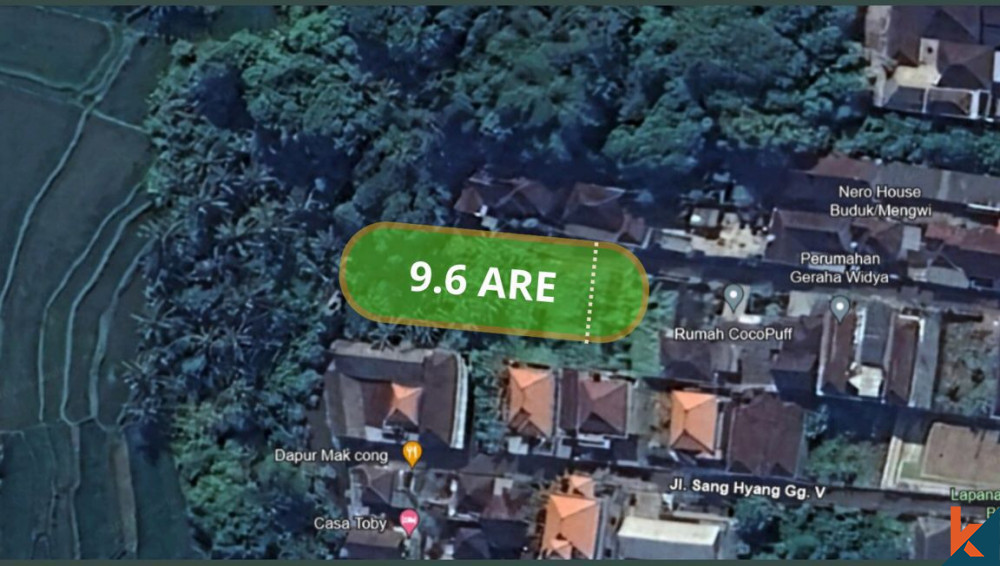 960 m²15 min$ 91034Bali, Mengwi
 13000 m²1 min$ 920567Bali, Pekutatan
 700 m²15 min$ 109052Bali, Buduk
 1350 m²5 min$ 283467Bali, Pecatu
 600 m²10 min$ 206897Bali, Canggu
 1600 m²32 min$ 266010Bali, Tabanan
 250 m²15 min$ 40025Bali, Munggu
 610 m²10 min$ 165271Bali, Seminyak
 7500 m²5 min$ 206281Bali, Kedungu
 1533 m²5 min$ 165666Bali, Cepaka
 5000 m²8 min$ 424877Bali, Ungasan
 500 m²15 min$ 124692Bali, Kaba Kaba
 5028 m²10 min$ 361000Bali, Ubud
Essential Bali build & buy guides
- Bali villa construction cost per m² in 2026
- How much will your villa cost? Calculator
- Building a villa in Bali: the complete guide
- Buying land in Bali: step-by-step for foreigners
- Bali villa investment: yields, risks, returns
- Leasehold vs freehold: what foreigners can own
- Construction defect liability & 10-year warranty
- Bali building codes and construction standards
Related guides
Sanur and Nusa Dua vs Canggu: Stability Plays vs Hype
Canggu gets the headlines; Sanur and Nusa Dua quietly deliver steadier returns to a different kind of buyer. An honest 2026 comparison of the stability markets against the hype market — prices, demand drivers, oversupply risk, and who should buy where.
7 min read
Ubud and the Wellness Market: Buying or Building for Retreats
Ubud is Bali's wellness capital, and retreat-focused property behaves differently from beach villas: longer stays, group bookings, lower volatility. Here is what the market rewards, what zoning allows, and what it costs to buy or build a retreat property in 2026.
8 min read
Buying and Building on the Bukit: Uluwatu, Bingin and Balangan from a Buyer's Seat
A buyer's-seat 2026 guide to the Bukit peninsula — Uluwatu, Bingin and Balangan land prices, the water problem nobody budgets, cliff setbacks after the 2025 Bingin demolitions, and how to build there properly.
7 min read