Water Pressure Booster Pump Sizing for Bali Villas
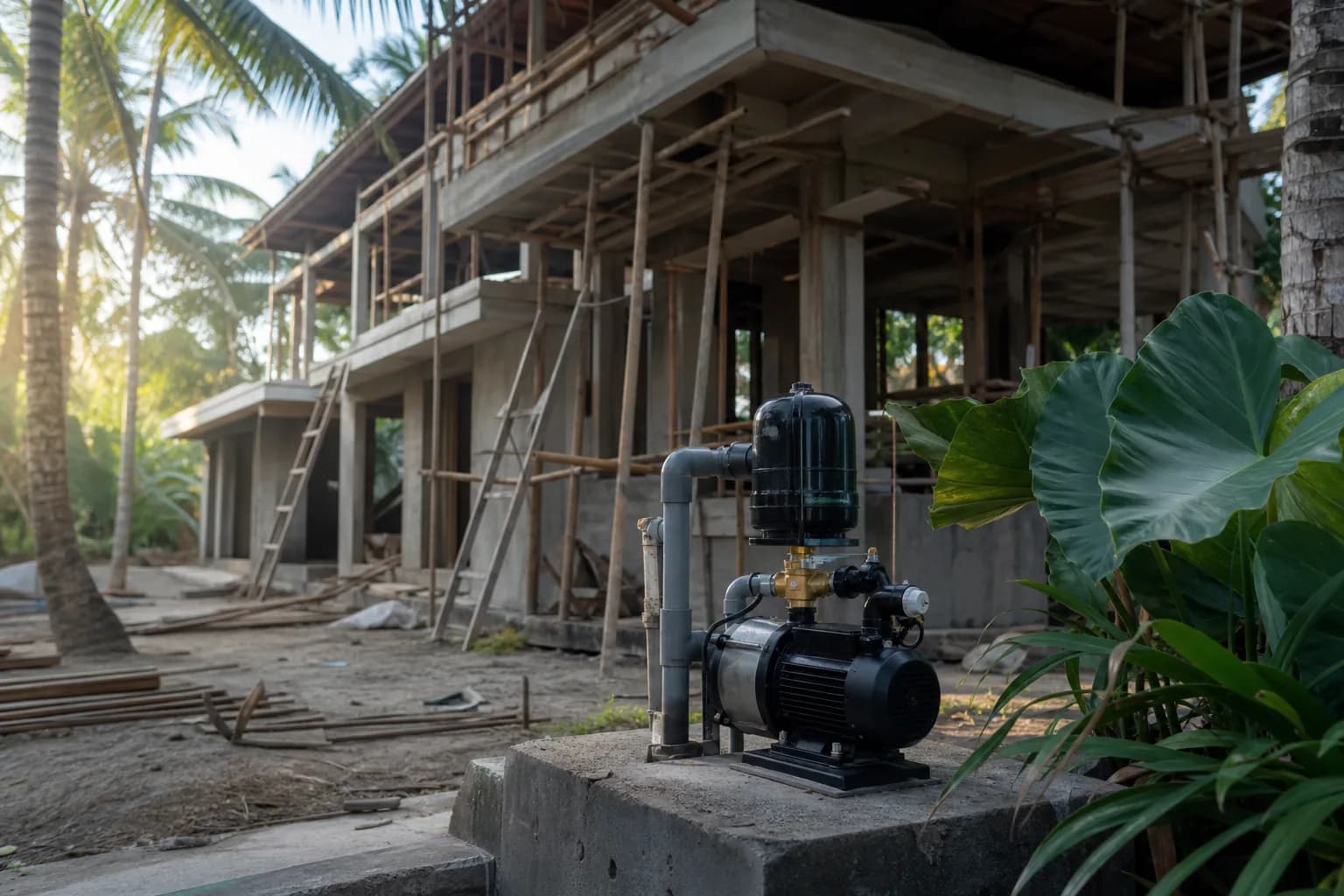
# Water Pressure Booster Pump Sizing for Multi-Story Bali Villas
The Critical Challenge of Water Pressure in Elevated Bali Properties
Multi-story villa construction in Bali presents a unique technical challenge that many property owners discover too late: inadequate water pressure on upper floors. When your penthouse bathroom delivers only a trickle during morning showers, or your rooftop kitchen tap barely fills a kettle, the problem isn’t your fixtures—it’s insufficient pressure boosting. In Bali’s varied topography, from coastal Seminyak to hillside Uluwatu, proper water pressure booster pump sizing becomes essential for villa utilities functionality. This isn’t merely about convenience; it’s about protecting your finishing works investment and ensuring long-term durability in tropical conditions where water system failures can cause extensive damage to interior finishing Bali standards.
Technical Deep Dive: Understanding Booster Pump Requirements for Bali Villas
Water pressure booster pump sizing for multi-story structures requires precise calculation of three fundamental parameters: total dynamic head (TDH), flow rate requirements, and simultaneous fixture usage. In Bali villa construction, these calculations must account for local water supply characteristics, which often differ significantly from municipal systems in developed countries.
Calculating Total Dynamic Head
Total dynamic head represents the total resistance your pump must overcome. For a typical three-story Bali villa, calculate TDH by adding: vertical lift (approximately 3 meters per floor), friction losses through piping (typically 2-4 meters for domestic systems), pressure required at the furthest fixture (minimum 15 PSI or 10 meters head), and any elevation difference between water source and pump location. A villa in Canggu at sea level requires different calculations than a hillside property in Ungasan where the building site may already sit 50 meters above the water source.
Teville’s construction teams regularly encounter situations where initial pump specifications prove inadequate because builders failed to account for Bali’s unique conditions. The combination of inconsistent municipal pressure (often 0.5-1.5 bar when available), reliance on groundwater wells with variable yields, and the prevalence of rooftop water tanks creates a complex hydraulic environment requiring expert analysis.
Flow Rate Determination
Flow rate sizing must consider simultaneous fixture usage patterns. A luxury villa with five bathrooms, outdoor showers, kitchen facilities, and garden irrigation systems requires careful load calculation. Standard fixture flow rates include: shower heads (8-12 liters per minute), bathroom taps (6-8 LPM), kitchen sinks (8-10 LPM), washing machines (12-15 LPM), and toilet cisterns (6-8 LPM during filling).
Rather than simply adding all fixtures—which would grossly oversize the system—apply diversity factors. For residential applications, simultaneous usage rarely exceeds 40-60% of total fixtures. A properly sized system for an eight-fixture, three-story villa typically requires 30-45 LPM capacity at design pressure. However, villas with staff quarters, multiple guest suites, or commercial elements like spa facilities demand higher capacity calculations.
Pump Technology Selection
Modern booster systems offer several technologies suitable for Bali villa utilities. Variable frequency drive (VFD) pumps automatically adjust motor speed to maintain constant pressure regardless of demand fluctuations, providing superior performance and energy efficiency. These systems excel in renovation Bali projects where existing plumbing may have varying resistance characteristics.
Multi-stage centrifugal pumps deliver high pressure with relatively compact footprints, ideal for equipment rooms with limited space. For ultimate reliability in areas with unstable electricity supply, consider systems with dual pumps operating in duty/standby configuration. When one pump handles normal demand, the second activates during peak usage or if the primary unit fails—critical for rental villas where guest satisfaction depends on uninterrupted service.
Tropical Climate Considerations
Bali’s humid tropical environment demands specific equipment specifications often overlooked in standard installations. Pump motors require IP55 or higher ingress protection ratings to prevent moisture infiltration. Stainless steel housings resist corrosion far better than cast iron alternatives, particularly in coastal zones where salt-laden air accelerates deterioration. Control panels need weatherproof enclosures with adequate ventilation to prevent electronic component failure in high humidity.
Temperature considerations also affect pump room design. Equipment spaces require proper ventilation to dissipate motor heat, yet must prevent rain ingress during Bali’s intense monsoon seasons. Teville’s finishing works teams integrate louvered ventilation panels, properly sealed cable entries, and elevated equipment mounting to protect against flooding—details that distinguish professional villa utilities installation from amateur work.
Materials and Standards for Reliable Water Pressure Systems
Selecting appropriate materials and adhering to proper standards ensures your booster pump system delivers decades of reliable service rather than becoming a maintenance burden. In Bali villa construction, material quality directly impacts system longevity given the challenging environmental conditions.
Pump Unit Specifications
Specify pumps from established manufacturers with local service networks in Indonesia. Grundfos, Wilo, and Shimizu maintain authorized service centers in Bali, ensuring parts availability and technical support. Pump construction should feature stainless steel impellers and shafts, with mechanical seals rated for continuous duty. Motor windings must suit tropical conditions with Class F or H insulation capable of withstanding elevated ambient temperatures.
For three-story villas, multi-stage pumps delivering 3-5 bar output pressure typically suffice. Larger properties or those with significant elevation challenges may require 6-8 bar systems. Always include pressure relief valves calibrated to protect plumbing fixtures and prevent damage to interior finishing Bali installations during low-demand periods when system pressure peaks.
Piping and Connection Standards
Distribution piping from booster pumps should utilize Schedule 80 CPVC or stainless steel for pressurized sections. Standard PVC, while common in Bali construction, lacks the pressure rating and temperature tolerance required for booster pump discharge lines. All connections require proper thread sealant rated for potable water systems—never use standard plumbing tape which can degrade and contaminate water supplies.
Install flexible connectors at pump inlet and outlet to isolate vibration from building structure. Rigid connections transmit pump vibration throughout piping systems, causing noise complaints and eventual joint failures. Include isolation valves on both sides of the pump for maintenance access, plus a bypass line allowing system operation during pump servicing in renovation Bali projects where continuous water supply is essential.
Control and Protection Devices
Pressure switches or transducers must offer precise control within 0.2-0.5 bar deadband to prevent excessive pump cycling. Dry-run protection devices shut down pumps if inlet pressure drops below safe levels, preventing catastrophic seal and bearing damage. Thermal overload protection safeguards motors from burnout during abnormal operating conditions. These protective devices represent minimal additional cost but prevent expensive equipment replacement and water damage to villa utilities and finishing works.
Step-by-Step Installation Process for Multi-Story Villa Booster Systems
Phase 1: Site Assessment and System Design
Begin with comprehensive hydraulic analysis. Map all water fixtures across all floors, noting fixture types and expected usage patterns. Measure actual elevation differences from water source to highest fixture. Test existing water supply pressure at various times—Bali’s municipal supplies often show significant diurnal variation, with lowest pressures during evening peak usage hours. For well-supplied properties, verify pump capacity and recovery rate to ensure adequate supply for booster system demand.
Identify optimal pump location considering noise transmission, maintenance access, and protection from weather. Ground-floor equipment rooms offer easiest access but require higher pump capacity to overcome additional vertical lift. Rooftop installations near water tanks minimize pumping head but expose equipment to harsh conditions and complicate maintenance access. Mid-level locations often provide optimal compromise for three-story villas.
Phase 2: Equipment Room Preparation
Prepare the pump room with proper foundations, drainage, and environmental controls. Pour reinforced concrete pads with vibration-isolating mounts to minimize noise transmission through building structure—critical for equipment rooms adjacent to living spaces. Install floor drains with adequate capacity to handle potential leaks or overflow situations, protecting lower-level interior finishing Bali installations from water damage.
Provide adequate ventilation through louvered openings positioned to create cross-flow while preventing rain ingress. Install weatherproof lighting and dedicated electrical circuits with proper grounding. Equipment rooms require minimum 1.5 square meters per pump unit plus circulation space for maintenance access. Teville’s construction teams typically allocate 3-4 square meters for standard residential booster installations, allowing comfortable working space for future servicing.
Phase 3: Plumbing Integration
Install inlet piping from water source with gradual upward slope to prevent air pocket formation. Size inlet piping one size larger than pump connection to minimize friction losses and prevent cavitation. Include foot valve and strainer at water source intake to prevent debris ingress and maintain pump prime. For tank-fed systems, position inlet minimum 300mm below tank bottom to ensure adequate submergence.
Route discharge piping to building distribution system with proper support every 1.5-2 meters to prevent sagging and stress on connections. Install pressure gauge immediately downstream of pump to monitor operating conditions. Include check valve to prevent backflow when pump stops, plus pressure tank (20-50 liter capacity) to minimize pump cycling during small draws like hand washing.
Phase 4: Electrical Connection and Controls
Connect pump motor to dedicated circuit breaker sized per manufacturer specifications, typically 16-25 amps for residential units. Install residual current device (RCD) protection to prevent electrical shock hazards in wet environments. Wire pressure controls and protection devices per schematic, ensuring proper sensor placement and secure connections resistant to vibration loosening.
For VFD systems, verify proper parameter programming including pressure setpoint, acceleration/deceleration rates, and protection thresholds. Test all control functions before pressurizing system. This electrical integration phase requires licensed electricians familiar with pump control systems—improper wiring causes most premature equipment failures in Bali villa utilities installations.
Phase 5: System Commissioning and Testing
Fill system gradually while bleeding air from high points. Start pump and verify smooth operation without unusual noise or vibration. Measure discharge pressure and flow rate at various fixtures simultaneously to confirm adequate capacity. Adjust pressure settings to deliver 2.5-3.5 bar at fixtures—sufficient for excellent performance without excessive stress on plumbing components or furniture installation fixtures like dishwashers and washing machines.
Conduct 24-hour monitoring to verify automatic operation through various demand cycles. Check for leaks at all connections, retightening as necessary after initial thermal cycling. Document final settings and provide owner with operating instructions and maintenance schedule. Proper commissioning prevents the callback visits that plague rushed renovation Bali projects where contractors skip systematic testing procedures.
Costs and Timeline for Professional Booster Pump Installation
Budget planning for water pressure booster systems requires understanding both equipment and installation costs. For a typical three-story Bali villa, expect total project costs ranging from IDR 15-35 million depending on system complexity and equipment quality.
Equipment Costs
Quality booster pump units suitable for residential multi-story applications cost IDR 8-18 million for single-pump systems, or IDR 18-28 million for dual-pump configurations offering redundancy. VFD-equipped systems command 30-40% premium over fixed-speed alternatives but deliver superior performance and energy efficiency. Pressure tanks, valves, gauges, and control components add IDR 2-4 million. Piping materials and fittings contribute another IDR 1.5-3 million depending on distances and pipe specifications.
Installation Labor and Timeline
Professional installation by experienced teams requires 3-5 working days for standard residential systems. Equipment room preparation occupies one day, plumbing integration requires 1-2 days, electrical connection takes one day, and commissioning requires half to full day depending on system complexity. Labor costs typically range IDR 4-8 million for complete installation including all trades.
Renovation Bali projects in occupied villas may require extended timelines to minimize disruption, potentially adding 1-2 days to schedule. Complex installations serving multiple buildings or incorporating sophisticated controls extend timelines to 7-10 days. Teville’s project management approach coordinates all trades efficiently, preventing the schedule delays common when owners attempt to manage multiple contractors independently.
Long-term Operating Costs
Consider ongoing operational expenses when evaluating system options. Energy-efficient VFD pumps consume 30-50% less electricity than fixed-speed alternatives, saving IDR 50,000-150,000 monthly depending on usage patterns and electricity rates. Annual maintenance including seal inspection, bearing lubrication, and control verification costs IDR 1.5-2.5 million when
 3173 m²6 month(s)from 125.000 USD
TALA FOUR
 164 m²7 month(s)from 79.000 USD
Private: Haridas Villas, Tegallalang

Want to calculate?
 4344 m²16 month(s)from 290.000 USD
Radha
164 m²7 month(s)from 79.000 USDTALA TWO
 172 m²8 month(s)from 120.000 USD
Keshava
 3127 m²9 month(s)from 177.000 USD
Mukunda
 3124 m²6 month(s)from 123.000 USD
TALA 8
 1from 198.000 USD
Private: Haridas Villas
 2144 m²11 month(s)from 104.000 USD
Narayana
 3104 m²11 month(s)from 99.000 USD
TALA 100
 3180 m²7 month(s)from 142.000 USD
Vasudeva
Start With Real Numbers, Not Guesses
Before finalizing your finishing works plan, check realistic cost ranges for your Bali villa project.
Available lands
 1950 m²7 min$ 150092Bali, Tabanan
 500 m²2 min$ 175862Bali, Cemagi
 3800 m²15 min$ 100616Bali, Pererenan
 6000 m²30 min$ 55419Bali, Tabanan
 3100 m²15 min$ 257697Bali, Tegallalang
 29000 m²6 min$ 3857143Bali, Tabanan
 7900 m²25 min$ 413485Bali, Tabanan
 700 m²20 min$ 90517Bali, Cepaka
 770 m²5 min$ 163578Bali, Kedungu
 6000 m²10 min$ 1330049Bali, Kutuh South Bali
 911 m²15 min$ 248217Bali, Pererenan
 2230 m²15 min$ 410573Bali, Padonan
 800 m²5 min$ 295567Bali, Seseh
 5815 m²5 min$ 815740Bali, Tabanan
 700 m²15 min$ 90517Bali, Central Bali
Essential Bali build & buy guides
- Bali villa construction cost per m² in 2026
- How much will your villa cost? Calculator
- Building a villa in Bali: the complete guide
- Buying land in Bali: step-by-step for foreigners
- Bali villa investment: yields, risks, returns
- Leasehold vs freehold: what foreigners can own
- Construction defect liability & 10-year warranty
- Bali building codes and construction standards
Related guides
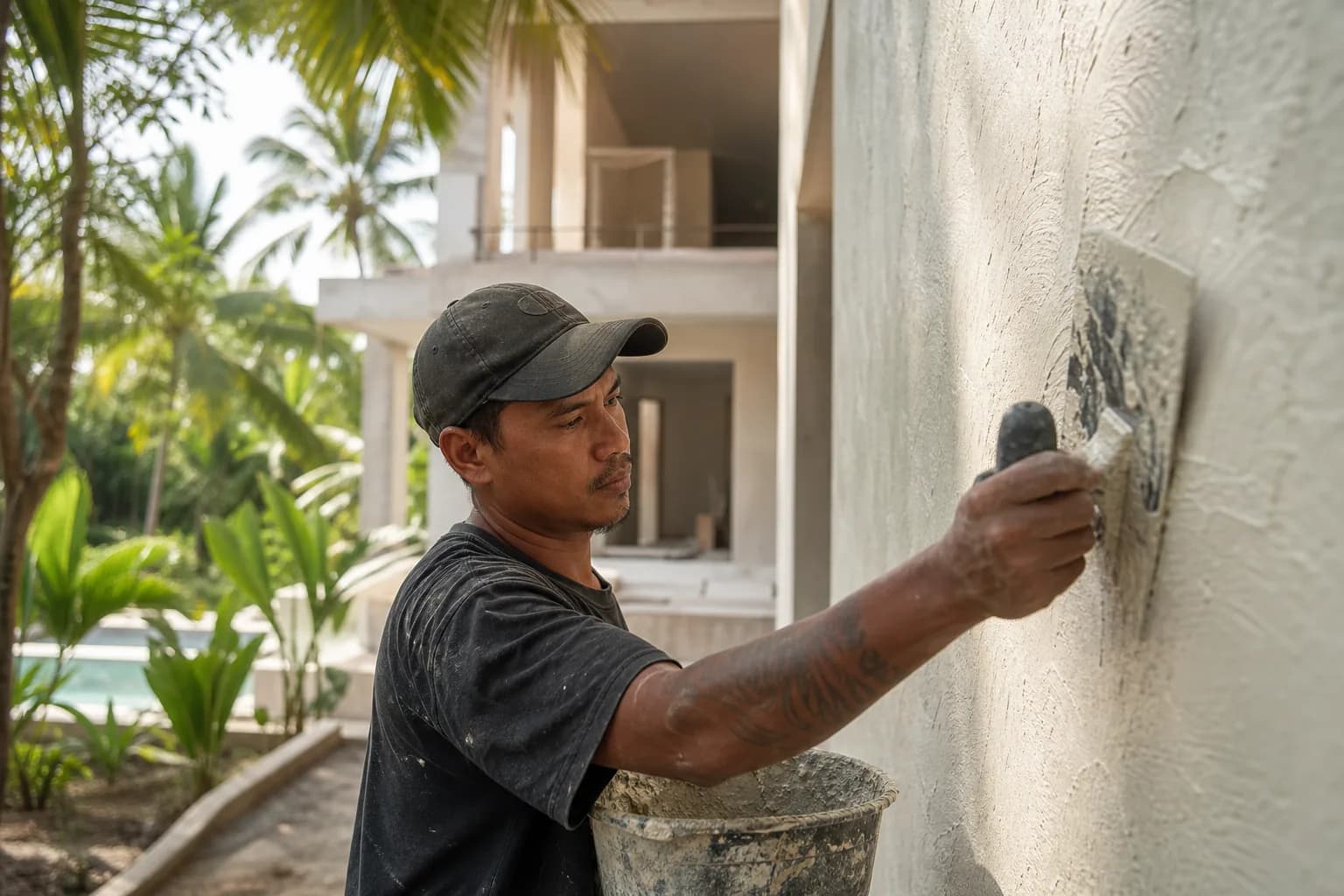
Resin-Infused Plaster Finishes: Anti-Salt Systems Bali
Expert technical guide: Resin-Infused Plaster Finishes: Anti-Salt Systems Bali
8 min read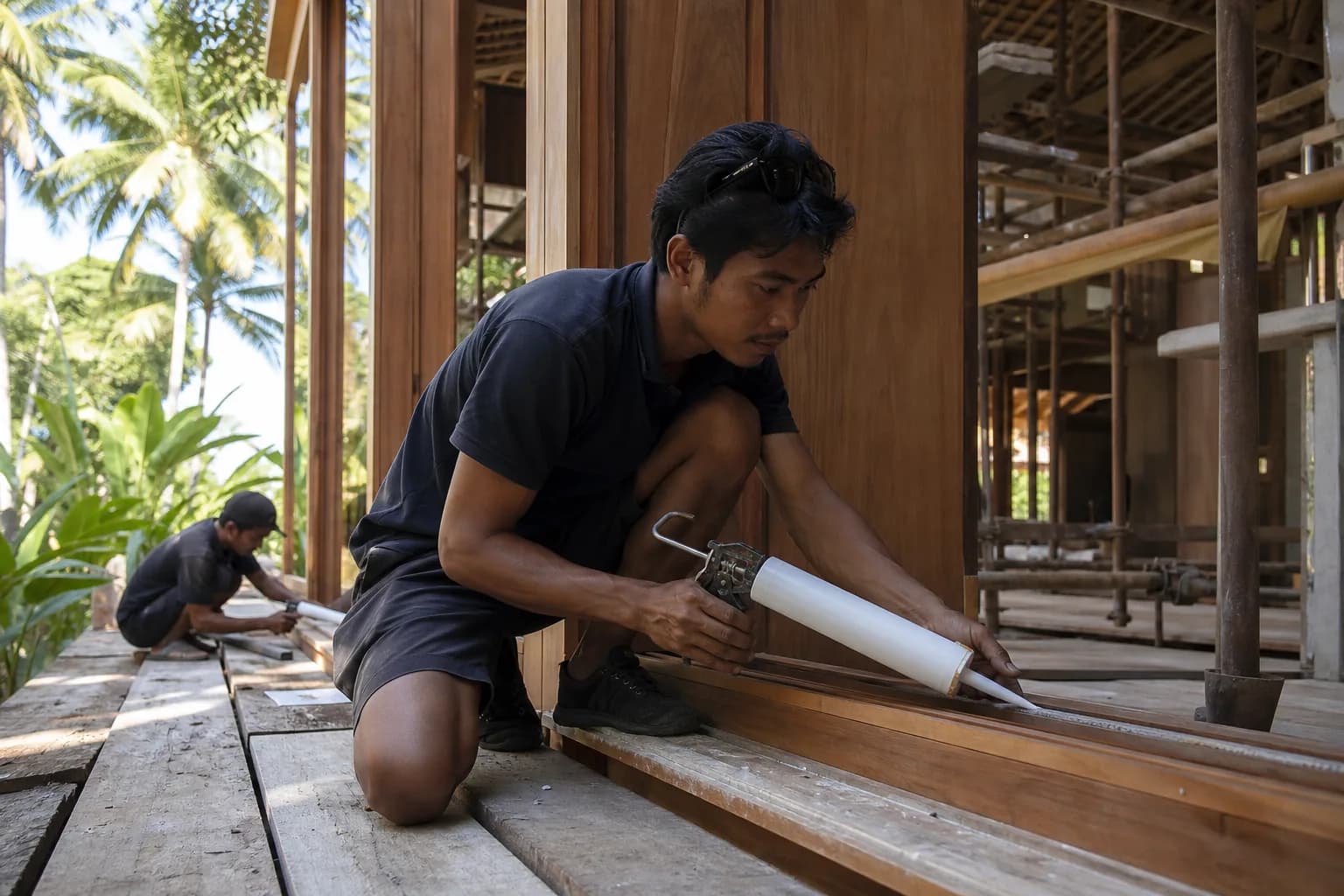
Prefinished Timber Joinery: Silicone Seals Fixings Bali
Professional prefinished timber joinery installation in Bali with silicone seals and fixings for durable weatherproof performance and a premium finish.
10 min read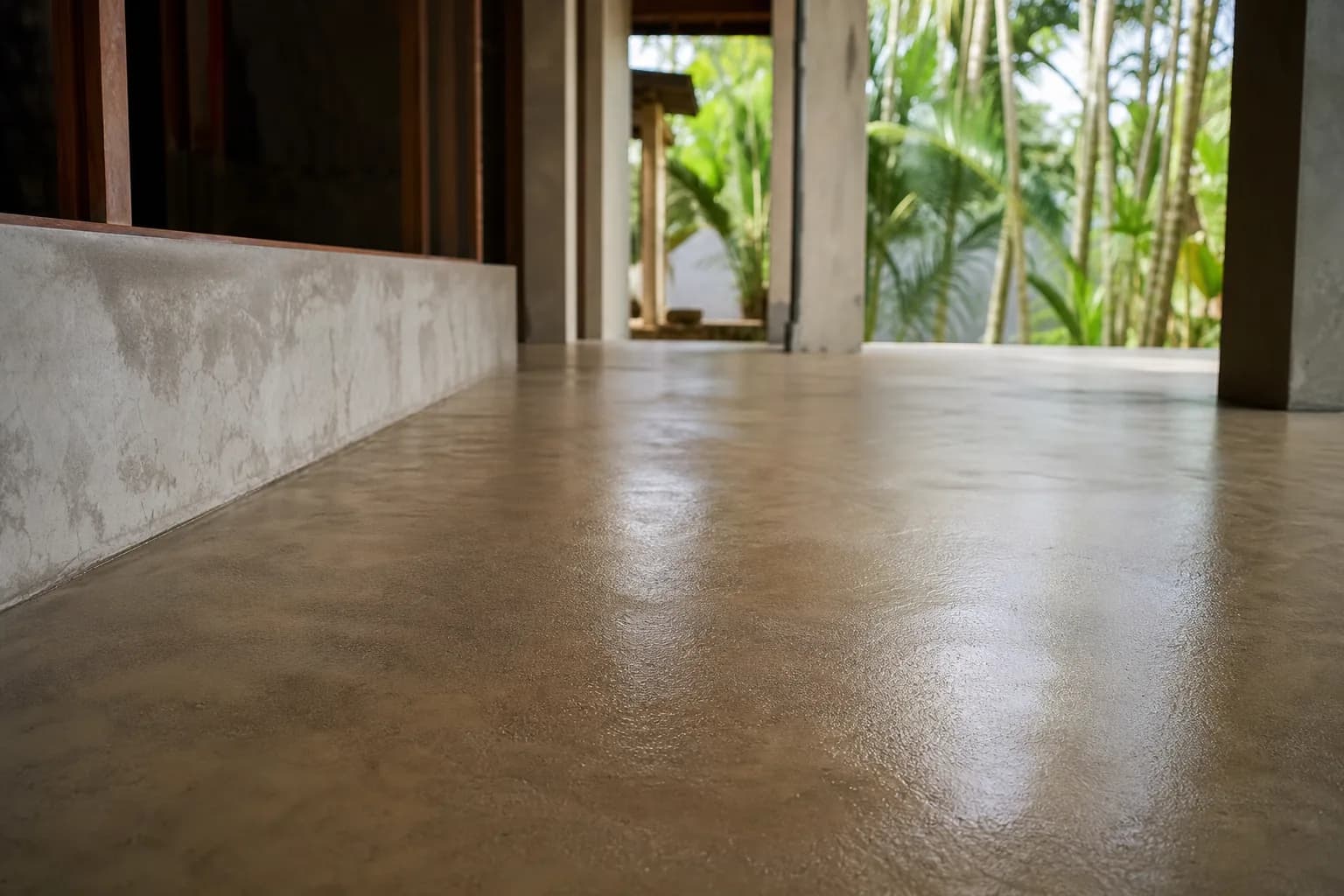
Polished Concrete Microtopping: Surface Prep Sealants Bali
Discover Bali s polished concrete microtopping: expert surface prep, durable sealants, and a flawless finish for modern floors with minimal maintenance.
9 min read