Underfloor Heating Systems for Bali Mountain Villa Bathrooms
# Underfloor Heating Systems for Bali Mountain Villa Bathrooms
The Cold Morning Challenge in Bali’s Mountain Villas
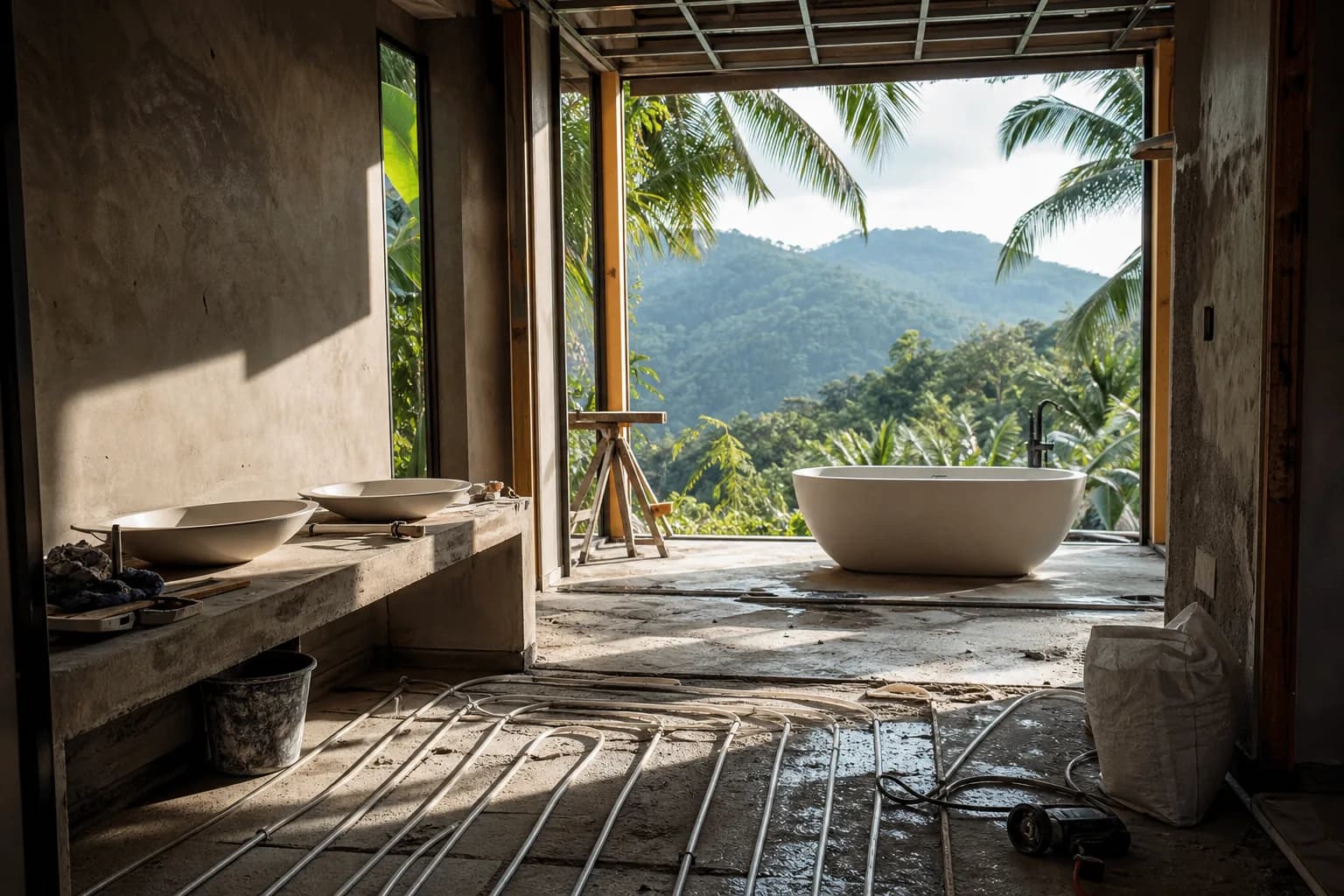
Stepping onto cold bathroom tiles at 6 AM in a Ubud or Bedugul mountain villa isn’t the luxury experience owners expect. While coastal Bali maintains consistent warmth, mountain regions like Kintamani, Munduk, and Bedugul regularly drop to 15-18°C during early mornings and rainy season. Traditional bathroom heating solutions—portable heaters or heat lamps—create uneven warmth, consume excessive energy, and compromise the minimalist aesthetic that defines high-end Bali villa construction. Underfloor heating systems solve this precisely, delivering invisible, consistent warmth that transforms bathroom spaces into true comfort zones while addressing tropical humidity management and premium finishing standards.
Technical Deep Dive: Underfloor Heating Installation for Mountain Villa Bathrooms
Underfloor heating for renovation Bali mountain villa bathrooms requires understanding two primary system types and their specific installation requirements within tropical construction contexts. Electric radiant heating systems use resistance cables or heating mats installed beneath floor finishes, while hydronic systems circulate heated water through embedded pipes. For Bali mountain villas, electric systems dominate due to installation flexibility, lower initial costs, and compatibility with existing electrical infrastructure.
The technical foundation begins with substrate preparation. Existing bathroom floors must be assessed for structural integrity, moisture barriers, and load-bearing capacity. Mountain villa bathrooms typically feature concrete slab foundations, which provide ideal thermal mass for heat distribution. However, Bali’s high water table and seasonal rainfall demand exceptional waterproofing—a critical consideration that separates professional interior finishing Bali work from amateur installations. The substrate must be completely level (within 3mm variance per meter), clean, and properly primed before heating element installation.
Electric heating mats, typically 3-5mm thick, consist of heating cables pre-spaced on fiberglass mesh backing. These mats deliver 150-180 watts per square meter, sufficient for Bali’s moderate temperature differentials. Installation positioning is crucial: heating elements must maintain 100mm clearance from toilet flanges, shower drains, and wall penetrations, while covering 80-85% of usable floor area. Corner zones, areas beneath vanities, and spaces behind doors don’t require heating coverage, allowing strategic material optimization.
The thermal insulation layer beneath heating elements determines system efficiency. In mountain villa bathrooms, 6-10mm uncoupling membranes with thermal break properties prevent heat loss into the concrete slab below, directing warmth upward into the bathroom space. This layer also provides crack isolation—essential for Bali’s seismic activity and seasonal ground movement. Without proper insulation, up to 50% of generated heat dissipates downward, dramatically increasing operational costs and reducing surface temperature effectiveness.
Electrical integration requires dedicated circuits with GFCI protection and proper amperage calculation. A typical 4-square-meter bathroom heating system draws 600-720 watts, requiring 20-amp circuits with appropriate breaker protection. Thermostat placement follows specific protocols: wall-mounted programmable thermostats install 1.5 meters above finished floor level, away from direct sunlight, exterior walls, and bathroom moisture zones. Floor temperature sensors embed within heating mat spacing, positioned in high-traffic areas to provide accurate temperature feedback for system regulation.
The self-leveling compound application over heating elements creates the critical embedding layer. This 10-15mm modified thin-set mortar completely encapsulates heating cables, eliminates air pockets, and creates the smooth surface for final tile installation. Compound selection matters significantly in Bali’s humidity: polymer-modified, rapid-setting formulations with antimicrobial additives prevent moisture retention and mold growth. Curing time extends 5-7 days in mountain microclimates before tile installation can proceed—rushing this phase compromises both heating performance and tile adhesion.
Final tile installation over embedded heating systems follows modified thin-set methods. Large-format porcelain tiles (600x600mm or larger) increasingly popular in luxury villa bathrooms require specific considerations: thicker adhesive beds (8-10mm), back-buttering techniques, and extended curing periods ensure complete bonding without voids that could create hot spots or system failures. Natural stone tiles—travertine, marble, limestone—offer superior heat conductivity but require sealing protocols that account for elevated temperatures during system operation.
Materials and Standards for Tropical Mountain Installations
Material selection for underfloor heating in Bali mountain villa bathrooms must address humidity, temperature cycling, and long-term durability. Heating cables rated for wet locations with double-insulated construction and grounded shielding meet international safety standards while withstanding tropical conditions. UL-listed or CE-certified systems provide quality assurance, though local Indonesian SNI (Standar Nasional Indonesia) compliance ensures regulatory acceptance for villa utilities installations.
Waterproofing membranes form the critical barrier between heating systems and Bali’s moisture challenges. Two-part polyurethane or epoxy-based liquid membranes applied in multiple coats create seamless protection across floor surfaces, wall transitions, and penetration points. These membranes must maintain flexibility across temperature ranges (15-35°C) without cracking or delaminating. Reinforcement fabric at stress points—floor-to-wall junctions, drain perimeters, expansion joints—provides additional security against water infiltration that could compromise electrical systems.
Thermostat technology significantly impacts system performance and user experience. Programmable WiFi-enabled thermostats allow remote control and scheduling—particularly valuable for vacation rental villas where heating can activate before guest arrival. Dual-sensor thermostats monitoring both floor and ambient air temperature provide optimal comfort while preventing floor overheating that could damage natural stone or wood-look tile finishes. Energy monitoring features track consumption patterns, supporting sustainable operation in off-grid or solar-powered mountain properties.
Tile selection influences heating efficiency and user comfort. Porcelain and ceramic tiles with thermal conductivity ratings of 1.0-1.3 W/mK transfer heat effectively while maintaining durability. Natural stone options like slate (1.5-2.0 W/mK) and marble (2.5-3.0 W/mK) conduct heat exceptionally well but require careful sealing and maintenance protocols. Wood-look porcelain tiles offer aesthetic warmth without the dimensional instability concerns of genuine timber in heated, humid bathroom environments—a popular choice for contemporary furniture installation schemes that extend visual continuity from bedroom spaces.
Step-by-Step Installation Process for Mountain Villa Bathrooms
Phase 1: Assessment and Preparation (Days 1-2)
Professional installation begins with comprehensive bathroom assessment. Existing floor removal exposes the concrete substrate, allowing inspection for cracks, moisture damage, or structural deficiencies. Electrical infrastructure evaluation confirms adequate circuit capacity and proper grounding. Plumbing fixture locations are documented, and drain positioning verified to ensure heating mat layouts avoid critical zones. Substrate repairs using polymer-modified repair mortars address any deficiencies, followed by thorough cleaning to remove dust, oils, and contaminants that could compromise adhesion.
Phase 2: Waterproofing and Insulation (Days 3-5)
Primary waterproofing membrane application proceeds in two coats, with reinforcement fabric embedded at all transitions and penetrations. Each coat requires 4-6 hours curing time in Bali’s mountain humidity before subsequent layers. Once cured, thermal insulation boards or uncoupling membranes install across the entire floor area using appropriate adhesives. Seams receive waterproof tape treatment, and perimeter edges seal against wall surfaces. This foundation layer undergoes flood testing—filling the bathroom floor with water for 24 hours to verify complete waterproofing integrity before proceeding with electrical installations.
Phase 3: Heating System Installation (Days 6-7)
Heating mat layout follows the pre-planned design, with mats rolled out and positioned according to manufacturer spacing requirements. Mats secure to the substrate using hot-melt adhesive strips or thin-set mortar dabs—never staples or fasteners that could penetrate heating cables. Cold lead wires route to thermostat locations through conduit protection, and floor temperature sensors embed between heating cable runs in high-use areas. Continuity testing using digital multimeters verifies proper resistance values and confirms no cable damage occurred during installation. All resistance readings are documented for warranty purposes and future troubleshooting reference.
Phase 4: Embedding and Leveling (Days 8-10)
Self-leveling compound application completely encapsulates heating elements in a smooth, uniform layer. Modified thin-set mortar is troweled carefully to avoid displacing heating mats or damaging cables. The embedding layer typically measures 10-15mm thick, providing adequate protection while maintaining efficient heat transfer. Curing proceeds for minimum 5-7 days in mountain humidity conditions, with the bathroom sealed to maintain consistent temperature and prevent premature drying that could cause cracking. Additional continuity testing after embedding confirms system integrity before final finishing proceeds.
Phase 5: Tile Installation and Finishing (Days 11-14)
Final tile installation uses modified thin-set mortar appropriate for heated floors, applied with proper trowel sizing for the selected tile format. Large-format tiles require back-buttering to ensure 95% coverage and eliminate voids. Tile layout follows aesthetic design plans while respecting heating system boundaries and sensor locations. Grout application occurs 24-48 hours after tile setting, using epoxy or polymer-modified grouts with antimicrobial properties suited to Bali’s humid conditions. Thermostat installation and final electrical connections complete the system, followed by comprehensive testing and user instruction on proper operation and maintenance protocols.
Costs and Timeline for Bali Mountain Villa Projects
Underfloor heating installation costs for Bali mountain villa bathrooms vary based on bathroom size, system specifications, and finishing material selections. For a standard 4-6 square meter bathroom, complete professional installation including materials, labor, and finishing typically ranges from IDR 25,000,000 to IDR 45,000,000 (approximately $1,600-$2,900 USD). This encompasses heating system components, waterproofing, substrate preparation, installation labor, and mid-range porcelain tile finishing.
Material costs break down approximately as follows: electric heating mats (IDR 1,500,000-2,500,000 per square meter), programmable thermostats (IDR 2,000,000-4,500,000), waterproofing systems (IDR 800,000-1,200,000 per bathroom), thermal insulation (IDR 400,000-800,000 per square meter), and modified thin-set compounds (IDR 300,000-500,000 per bathroom). Premium natural stone tiles or imported porcelain selections add IDR 1,000,000-3,000,000 per square meter to finishing costs.
Installation timelines for Bali villa construction projects typically span 14-18 working days from substrate preparation through final finishing and system commissioning. This schedule accounts for proper curing times essential in mountain humidity conditions—rushing these phases compromises long-term performance and warranty coverage. Renovation projects in occupied villas may extend timelines due to access limitations and coordination with residents. Multiple bathroom installations benefit from economies of scale, reducing per-bathroom costs by 15-20% through material purchasing efficiency and optimized labor scheduling.
Operational costs remain modest: a 4-square-meter bathroom system operating 3-4 hours daily consumes approximately 2.5-3 kWh, translating to IDR 100,000-150,000 monthly at standard Bali electricity rates. Programmable thermostats reduce consumption by 20-30% through optimized scheduling. System lifespan typically exceeds 25-30 years with proper installation, making underfloor heating a long-term investment in comfort and property value rather than a recurring expense.
Frequently Asked Questions About Bathroom Underfloor Heating
Can underfloor heating be installed in existing mountain villa bathrooms without complete renovation?
Yes, retrofit installations are feasible but require careful assessment. Existing tile removal, substrate evaluation, and door clearance verification determine feasibility. The heating system adds 20-30mm to floor height, potentially requiring door trimming, toilet flange extensions, and threshold adjustments. Professional renovation Bali specialists can assess whether retrofit installation suits your specific bathroom configuration or if alternative heating solutions better serve existing constraints.
How does Bali’s humidity affect underfloor heating system performance and longevity?
Properly installed systems with comprehensive waterproofing perform excellently in Bali’s mountain humidity. The heating effect actually reduces bathroom moisture by maintaining elevated surface temperatures that discourage condensation and mold growth. Critical factors include using wet-location-rated heating cables, complete waterproof membrane coverage, and antimicrobial grouts and sealers. Systems installed without proper moisture barriers risk electrical failures and void manufacturer warranties—emphasizing the importance of experienced installation teams familiar with tropical construction challenges.
What floor finishes work best with underfloor heating in mountain villa bathrooms?
Porcelain and ceramic
 3104 m²11 month(s)from 99.000 USD
TALA 100
 3180 m²7 month(s)from 142.000 USD
Vasudeva
 172 m²8 month(s)from 120.000 USD
Keshava
 2144 m²11 month(s)from 104.000 USD
Narayana
 3127 m²9 month(s)from 177.000 USD
Mukunda
 3173 m²6 month(s)from 125.000 USD
TALA FOUR

Want to calculate?
 164 m²7 month(s)from 79.000 USD
Private: Haridas Villas, Tegallalang
 1from 198.000 USD
Private: Haridas Villas
 3124 m²6 month(s)from 123.000 USD
TALA 8
164 m²7 month(s)from 79.000 USDTALA TWO
 4344 m²16 month(s)from 290.000 USD
Radha
Start With Real Numbers, Not Guesses
Before finalizing your finishing works plan, check realistic cost ranges for your Bali villa project.
Available lands
 1000 m²10 min$ 184729Bali, Kutuh South Bali
 1158 m²12 min$ 291996Bali, Mengwi
 1950 m²7 min$ 150092Bali, Tabanan
 1000 m²10 min$ 123154Bali, Jimbaran
 2000 m²15 min$ 523000Bali, Canggu
 3700 m²15 min$ 738177Bali, Tabanan
 7000 m²36 min$ 284483Bali, Gianyar
 2000 m²5 min$ 738916Bali, Ungasan
 500 m²15 min$ 124692Bali, Kaba Kaba
 3900 m²10 min$ 432266Bali, Tabanan
 5028 m²10 min$ 361000Bali, Ubud
 1533 m²5 min$ 165666Bali, Cepaka
 2130 m²10 min$ 495776Bali, Pecatu
 1720 m²2 min$ 241478Bali, Tabanan
 18900 m²2 min$ 6912931Bali, Pecatu
Essential Bali build & buy guides
- Bali villa construction cost per m² in 2026
- How much will your villa cost? Calculator
- Building a villa in Bali: the complete guide
- Buying land in Bali: step-by-step for foreigners
- Bali villa investment: yields, risks, returns
- Leasehold vs freehold: what foreigners can own
- Construction defect liability & 10-year warranty
- Bali building codes and construction standards
Related guides
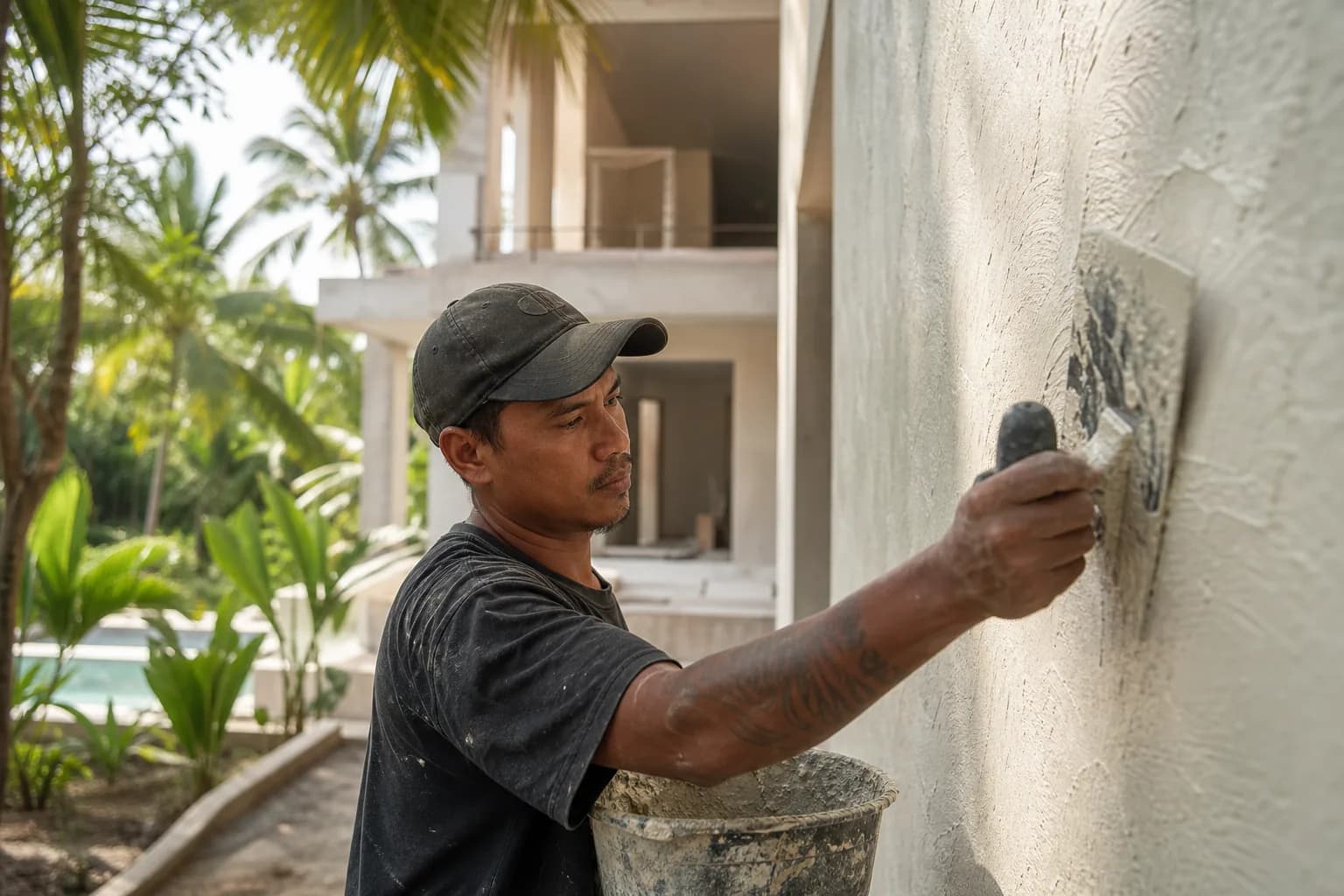
Resin-Infused Plaster Finishes: Anti-Salt Systems Bali
Expert technical guide: Resin-Infused Plaster Finishes: Anti-Salt Systems Bali
8 min read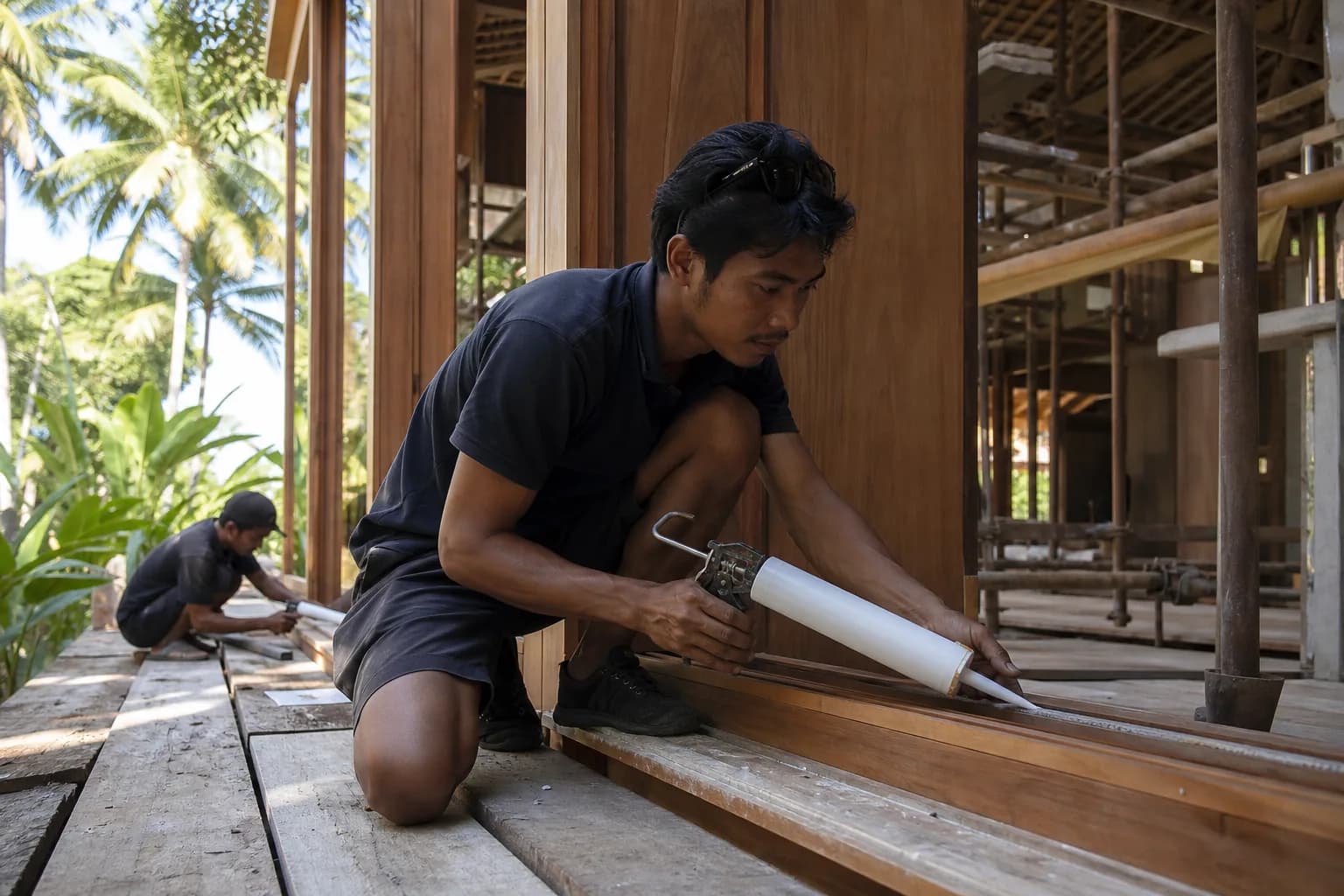
Prefinished Timber Joinery: Silicone Seals Fixings Bali
Professional prefinished timber joinery installation in Bali with silicone seals and fixings for durable weatherproof performance and a premium finish.
10 min read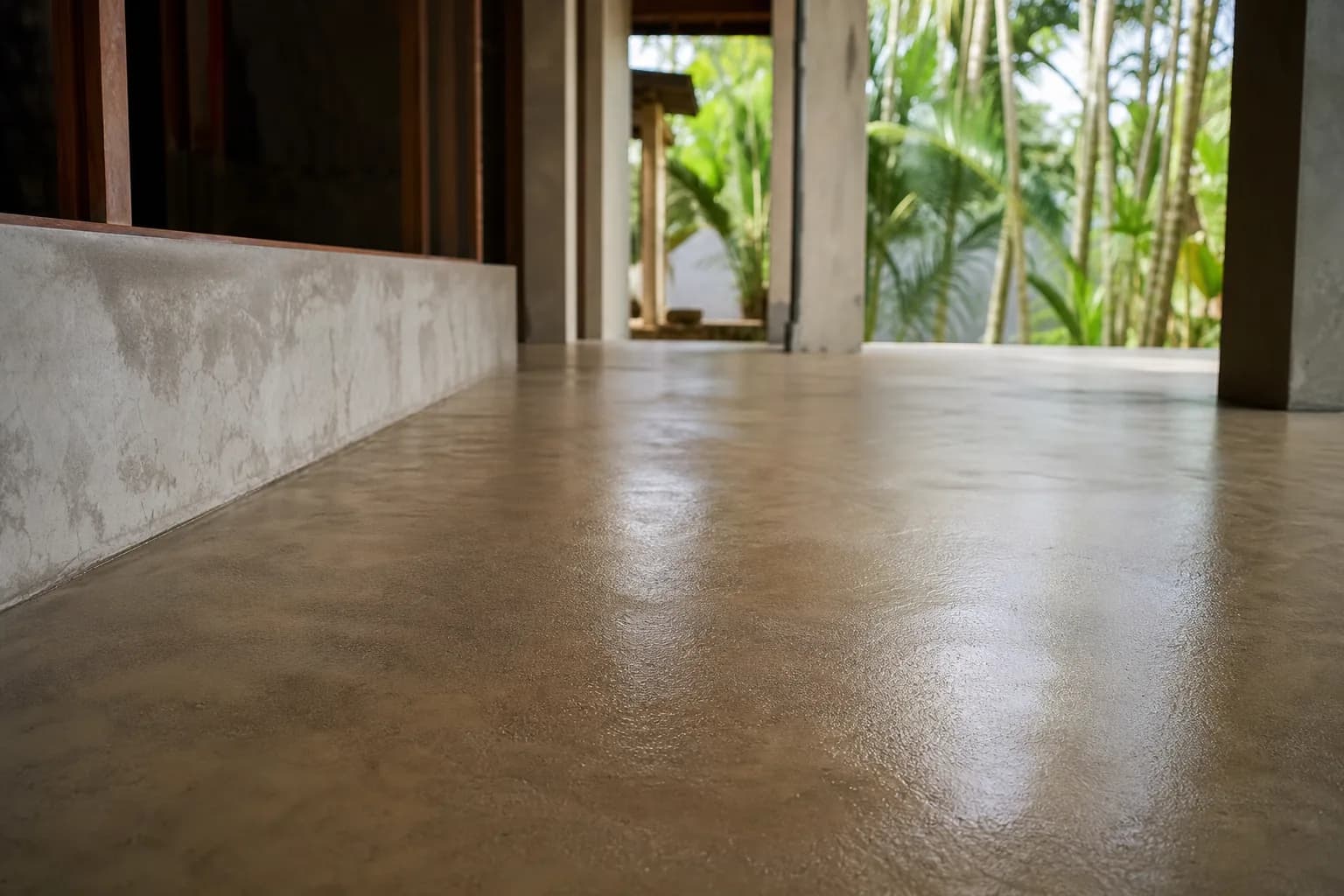
Polished Concrete Microtopping: Surface Prep Sealants Bali
Discover Bali s polished concrete microtopping: expert surface prep, durable sealants, and a flawless finish for modern floors with minimal maintenance.
9 min read