Ubud Bamboo Construction Permits IMB Costs in Bali
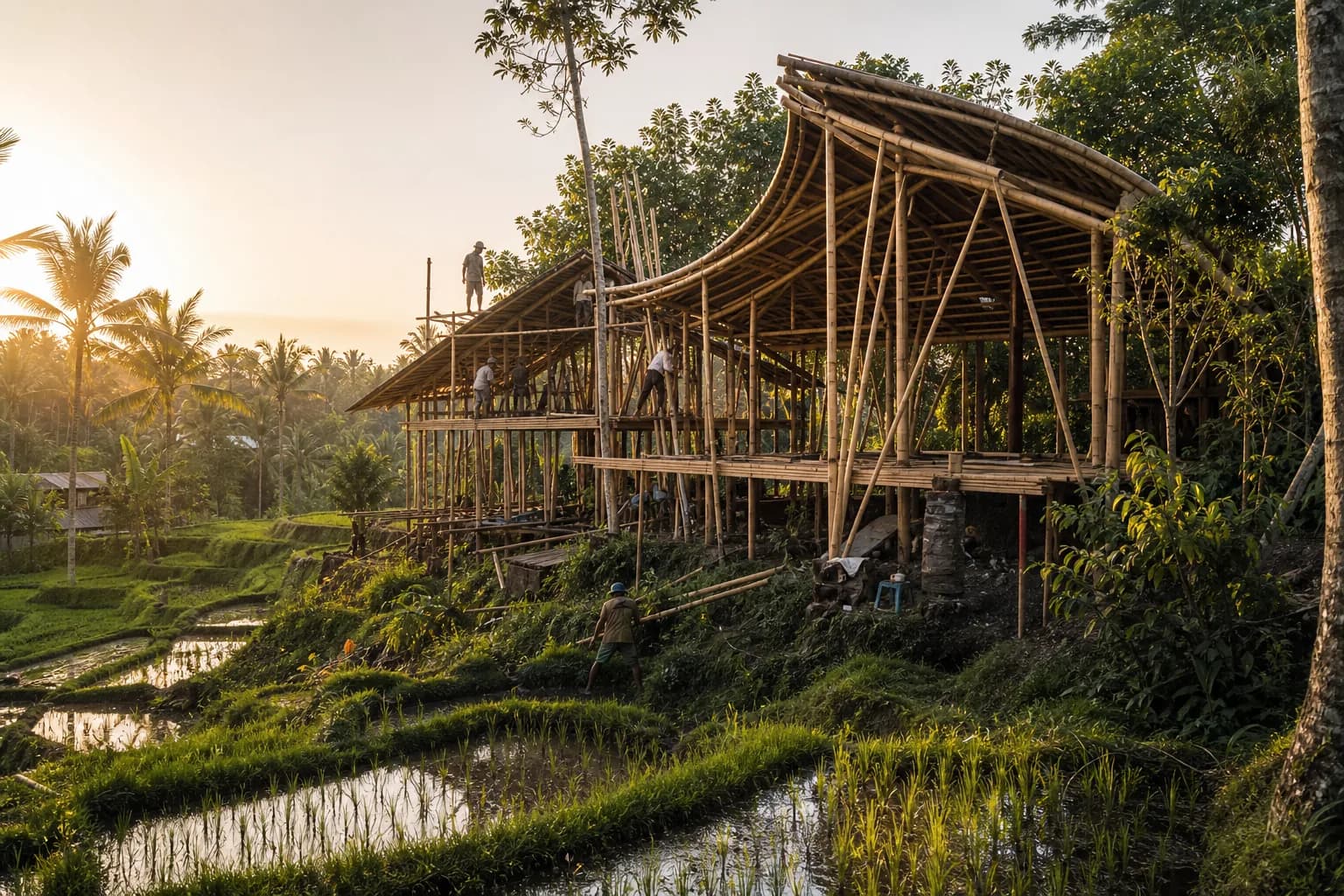
Why Ubud Bamboo Construction Permits Require Different Engineering Documentation Than Conventional Builds
Bamboo construction in Ubud presents a unique permitting challenge that catches many property developers off-guard. While Bali’s building regulations transitioned from IMB (Izin Mendirikan Bangunan) to PBG (Persetujuan Bangunan Gedung) in recent years, bamboo structures require additional structural engineering certifications that conventional concrete or steel buildings don’t face. The organic nature of bamboo as a construction material means your permit application must demonstrate load-bearing calculations, moisture resistance protocols, and seismic performance data that standard architectural drawings simply don’t cover. In Ubud specifically, where bamboo construction has become synonymous with eco-luxury development, local building authorities now require specialized documentation proving your bamboo structure meets Indonesian National Standards (SNI) for structural integrity—a requirement that adds both complexity and cost to the permitting process.
Technical Requirements for PBG Approval of Bamboo Structures in Ubud
The current PBG system in Bali requires bamboo construction projects to submit documentation that addresses the material’s unique structural characteristics. Unlike the previous IMB framework, PBG applications for bamboo buildings must include certified structural engineering reports that account for bamboo’s variable density, moisture content fluctuations, and connection joint performance under tropical conditions.
Structural Engineering Certification Requirements
Bamboo construction permits in Ubud require a licensed Indonesian structural engineer (SIPIL certification) to validate your design against SNI 7973:2013, the Indonesian standard for bamboo structural design. This certification must demonstrate that your bamboo species selection—typically Petung (Dendrocalamus asper) or Tali (Gigantochloa apus) in Bali—meets minimum density requirements of 600-800 kg/m³ for load-bearing applications. The engineering report must include laboratory test results showing compressive strength, tensile strength parallel to grain, and shear strength perpendicular to grain for the specific bamboo batch you’re using.
Your structural calculations must account for Ubud’s specific environmental factors: average relative humidity of 75-85%, annual rainfall exceeding 2,000mm, and seismic zone classification. The PBG application requires finite element analysis (FEA) modeling for any bamboo span exceeding 6 meters, demonstrating deflection limits under dead load, live load, and wind load scenarios. This level of engineering documentation typically costs 15-25 million IDR for residential projects under 200m², significantly more than conventional construction permit engineering fees.
Treatment and Preservation Documentation
Gianyar Regency, which governs Ubud, requires bamboo construction permits to include detailed preservation treatment protocols. Your PBG application must specify the treatment method—typically borax-boric acid solution or modern alternatives like copper-based preservatives—and provide certification that treatment penetration reaches minimum 8mm depth throughout all structural members. This documentation must come from a certified treatment facility, as field-applied treatments are no longer acceptable for permitted bamboo structures in Ubud.
The permit application must also include a maintenance schedule demonstrating how you’ll monitor and maintain bamboo structural integrity over the building’s intended lifespan. For residential bamboo construction, authorities expect a 25-year design life with documented inspection intervals every 3-5 years. This maintenance protocol becomes part of your building’s permanent record and affects future property transfers.
Foundation Interface Engineering
A critical technical requirement often overlooked in bamboo construction permits is the foundation-to-bamboo connection detail. Ubud’s building department requires specific engineering for the transition zone where bamboo columns meet concrete or stone foundations. Your PBG application must show moisture barrier details, typically involving HDPE membranes or bituminous coatings, that prevent capillary moisture migration from foundation into bamboo members. Connection hardware specifications—usually stainless steel brackets or custom-fabricated steel shoes—must be detailed with corrosion resistance ratings suitable for Bali’s coastal-influenced climate, even in inland Ubud.
Hidden Risks in Ubud Bamboo Permit Applications That Delay Projects
The most common permit rejection for bamboo construction in Ubud stems from inadequate fire safety documentation. While bamboo is often marketed as a sustainable material, Indonesian building codes classify untreated bamboo as highly combustible. Your PBG application must include fire resistance testing results or specify approved fire-retardant treatments that achieve minimum Class B fire rating. Many developers discover this requirement only after initial permit rejection, requiring expensive re-treatment of bamboo inventory and 4-6 week delays for re-testing and documentation.
Another frequent oversight involves land classification compatibility. Ubud’s spatial planning regulations (RTRW) designate certain zones where bamboo construction faces additional scrutiny or outright restrictions. Areas classified as cultural heritage zones near temple complexes may require special architectural review boards to approve bamboo designs, adding 2-3 months to the standard PBG timeline. Properties in agricultural conversion zones (alih fungsi lahan) face compounded complexity, as you must complete land use conversion permits before bamboo construction permits can even be submitted.
The assumption that bamboo construction qualifies for simplified permitting procedures represents a costly misconception. While some developers expect bamboo’s “natural” status to streamline approvals, Gianyar Regency actually applies more stringent review protocols to bamboo structures than to conventional construction. This stems from several high-profile bamboo structure failures in Bali during 2018-2020, which prompted regulatory tightening. Your bamboo construction permit now requires third-party structural review by a government-appointed engineer, adding 8-12 million IDR in mandatory review fees that don’t apply to conventional builds.
Step-by-Step Process for Obtaining Bamboo Construction PBG in Ubud
Phase 1: Pre-Application Engineering and Documentation (6-8 Weeks)
Begin with site survey and geotechnical investigation to establish foundation requirements. For bamboo construction, soil bearing capacity testing is critical because bamboo’s lighter weight compared to concrete doesn’t eliminate foundation engineering—it changes the load distribution patterns. Commission your structural engineer to develop bamboo-specific calculations and prepare the required SNI 7973:2013 compliance report. Simultaneously, engage a certified bamboo treatment facility to process your structural bamboo and provide treatment certification documents.
During this phase, verify your land status through the Gianyar Land Office (BPN). Bamboo construction permits require clear land certificates (SHM for freehold, Hak Pakai for leasehold structures). If you’re building on leasehold land, ensure your lease agreement explicitly permits permanent structure construction and has minimum 20 years remaining term—Ubud authorities increasingly reject bamboo construction permits on short-term leases due to the structures’ intended 25-year lifespan.
Phase 2: PBG Application Submission (2-3 Weeks Preparation)
Compile your complete PBG application package through the Online Single Submission (OSS) system, then submit physical documentation to Gianyar’s DPMPTSP office. Your bamboo construction application requires: architectural drawings stamped by licensed Indonesian architect, structural engineering calculations with SIPIL engineer certification, bamboo treatment certificates, fire safety documentation, site plan showing setback compliance, environmental impact assessment (UKL-UPL for projects over 200m²), and proof of land rights.
For bamboo structures in Ubud, include photographic documentation of your bamboo inventory showing species identification, dimensional consistency, and treatment application. The reviewing engineer will cross-reference these photos against your structural calculations to verify that specified bamboo grades match actual materials. This visual verification requirement is unique to bamboo construction permits and frequently causes delays when documentation is incomplete.
Phase 3: Technical Review and Site Inspection (8-12 Weeks)
Gianyar’s building department assigns a technical reviewer who evaluates your bamboo construction documentation against current building codes. Expect requests for clarification or additional calculations, particularly regarding connection details and long-term durability provisions. The mandatory third-party structural review adds 3-4 weeks to this phase, as the appointed engineer must independently verify your structural calculations and may require modifications.
Once documentation review is complete, schedule the pre-construction site inspection. The inspector verifies site conditions match your submitted plans and confirms that foundation work hasn’t begun. For bamboo construction, inspectors specifically check that bamboo storage conditions prevent moisture exposure and that treatment certification dates align with material procurement timelines—treated bamboo has limited shelf life before re-treatment becomes necessary.
Phase 4: PBG Issuance and Construction Commencement (2-3 Weeks)
After successful review and inspection, your PBG is issued with specific conditions for bamboo construction monitoring. Unlike conventional permits, bamboo structure PBGs typically require mid-construction inspections at foundation completion, structural frame completion, and final occupancy. Budget for these additional inspection visits and associated fees. Your PBG certificate will specify the approved bamboo species, treatment method, and structural system—any deviation during construction requires permit modification, which can halt work for 4-6 weeks.
Realistic Cost Breakdown for Ubud Bamboo Construction Permits
PBG application fees for bamboo construction in Gianyar Regency are calculated based on building area and construction value, typically ranging 0.1-0.3% of declared construction cost. For a 150m² bamboo villa with declared construction value of 1.5 billion IDR, expect base PBG fees of 2-4.5 million IDR. However, bamboo-specific requirements add substantial costs beyond base fees.
Structural engineering certification for bamboo construction costs 15-25 million IDR for residential projects under 200m², compared to 8-12 million IDR for equivalent conventional construction. This premium reflects the specialized expertise required for bamboo structural analysis and the additional liability engineers assume when certifying non-conventional materials. Bamboo treatment certification from approved facilities adds 3-5 million IDR for material testing and documentation.
The mandatory third-party structural review for bamboo construction in Ubud costs 8-12 million IDR, a fee that doesn’t apply to conventional builds. Fire safety testing and documentation adds another 4-6 million IDR if your bamboo hasn’t been pre-treated with certified fire retardants. Total permit-related costs for bamboo construction typically reach 35-50 million IDR, compared to 15-25 million IDR for conventional construction of similar scale.
Timeline expectations should account for bamboo-specific complexities: 16-24 weeks from initial engineering to PBG issuance, compared to 12-16 weeks for conventional construction permits. This extended timeline stems from additional review layers and the limited number of engineers qualified to certify bamboo structural systems in Bali. Projects requiring fire retardant treatment or operating in heritage zones should add 4-8 weeks to these estimates.
Frequently Asked Questions About Ubud Bamboo Construction Permits
Can I use bamboo from my property for permitted construction, or must I purchase certified bamboo?
Gianyar’s PBG requirements for bamboo construction mandate that all structural bamboo comes from certified sources with documented treatment protocols. You cannot harvest bamboo from your property and use it for permitted construction unless you establish a certified treatment facility on-site, which requires separate business licensing and quality control certifications. The building department requires traceability documentation showing bamboo species verification, harvest timing (must be harvested during dry season at 3-4 years maturity), and treatment penetration testing. Using uncertified bamboo results in automatic permit rejection and potential legal liability if structural failure occurs. Most developers source from established bamboo suppliers in Gianyar or Tabanan who maintain certification relationships with local building authorities.
How does bamboo construction affect property valuation and future resale in Ubud?
Bamboo construction with proper PBG documentation maintains property value comparable to conventional construction in Ubud’s eco-luxury market segment, but faces challenges in mainstream property valuations. Indonesian banks typically apply 20-30% valuation discounts to bamboo structures compared to concrete buildings when assessing mortgage collateral, limiting financing options for future buyers. However, Ubud’s established bamboo architecture market—driven by developments like Green Village and numerous boutique resorts—has created buyer segments that specifically seek bamboo construction. Your property’s resale value depends heavily on maintenance documentation: bamboo structures with complete inspection records and proactive maintenance command premium pricing, while neglected bamboo buildings face severe depreciation. The PBG permit itself adds significant value by proving legal compliance, as many older bamboo structures in Ubud lack proper permitting and face potential demolition orders during enforcement campaigns.
What happens if bamboo structural members need replacement during the building’s lifespan?
Your PBG permit for bamboo construction includes provisions for structural member replacement, but modifications require notification to Gianyar’s building department. Minor replacements affecting less than 10% of
 1from 198.000 USD
Private: Haridas Villas
 3180 m²7 month(s)from 142.000 USD
Vasudeva
 164 m²7 month(s)from 79.000 USD
Private: Haridas Villas, Tegallalang
164 m²7 month(s)from 79.000 USDTALA TWO
 172 m²8 month(s)from 120.000 USD
Keshava
 2144 m²11 month(s)from 104.000 USD
Narayana
 3124 m²6 month(s)from 123.000 USD
TALA 8
 3173 m²6 month(s)from 125.000 USD
TALA FOUR

Want to calculate?
 3104 m²11 month(s)from 99.000 USD
TALA 100
 3127 m²9 month(s)from 177.000 USD
Mukunda
 4344 m²16 month(s)from 290.000 USD
Radha
Start With Real Numbers, Not Guesses
Before buying land or finalizing a design, check the realistic build cost range for your project in Bali.
Our team reviews your inputs and gives a grounded estimate.
Available lands
 610 m²10 min$ 165271Bali, Seminyak
 2115 m²5 min$ 1139547Bali, Pererenan
 1660 m²10 min$ 343448Bali, Kerobokan
 1200 m²2 min$ 155172Bali, Klungkung
 2230 m²15 min$ 410573Bali, Padonan
 1375 m²10 min$ 447044Bali, Canggu
 1720 m²2 min$ 241478Bali, Tabanan
 422 m²15 min$ 93547Bali, Kerobokan
 1300 m²10 min$ 348214Bali, Tabanan
 2000 m²10 min$ 243842Bali, Mengwi
 10000 m²19 min$ 232759Bali, Buleleng
 1300 m²10 min$ 312192Bali, Kutuh South Bali
 2200 m²3 min$ 183842Bali, Berawa
 2800 m²2 min$ 713793Bali, Kedungu
 889 m²15 min$ 145612Bali, Cepaka
Essential Bali build & buy guides
- Bali villa construction cost per m² in 2026
- How much will your villa cost? Calculator
- Building a villa in Bali: the complete guide
- Buying land in Bali: step-by-step for foreigners
- Bali villa investment: yields, risks, returns
- Leasehold vs freehold: what foreigners can own
- Construction defect liability & 10-year warranty
- Bali building codes and construction standards
Related guides
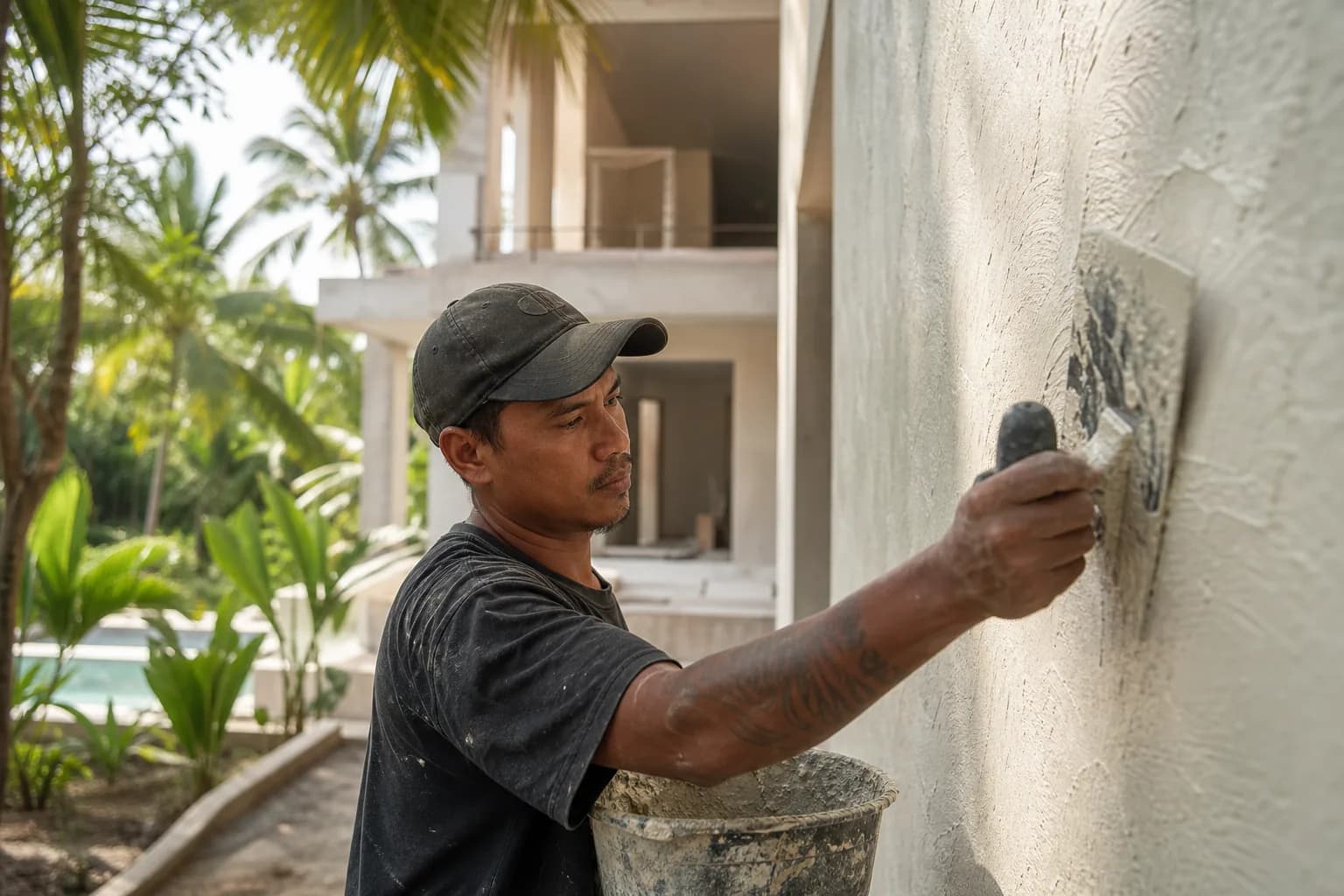
Resin-Infused Plaster Finishes: Anti-Salt Systems Bali
Expert technical guide: Resin-Infused Plaster Finishes: Anti-Salt Systems Bali
8 min read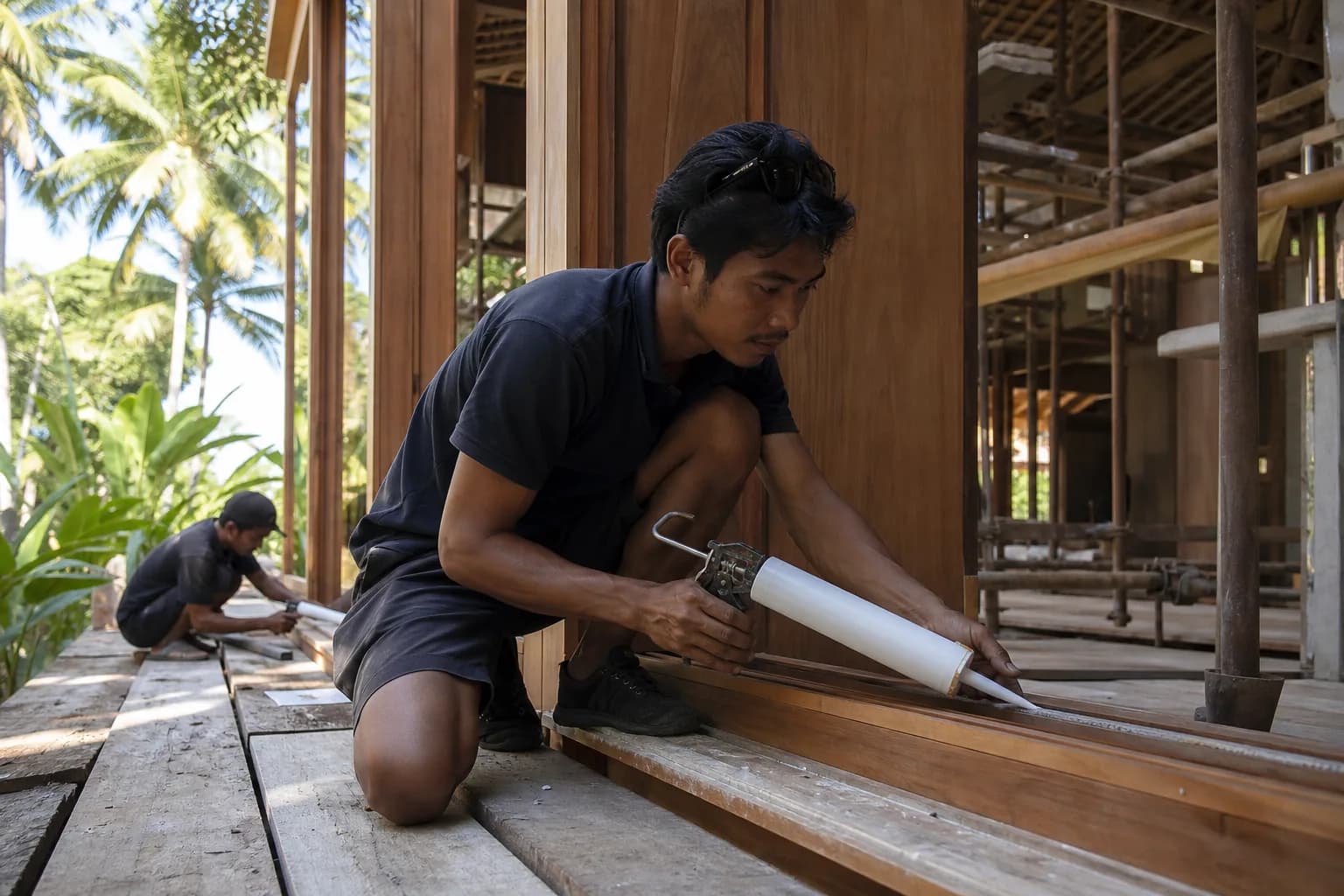
Prefinished Timber Joinery: Silicone Seals Fixings Bali
Professional prefinished timber joinery installation in Bali with silicone seals and fixings for durable weatherproof performance and a premium finish.
10 min read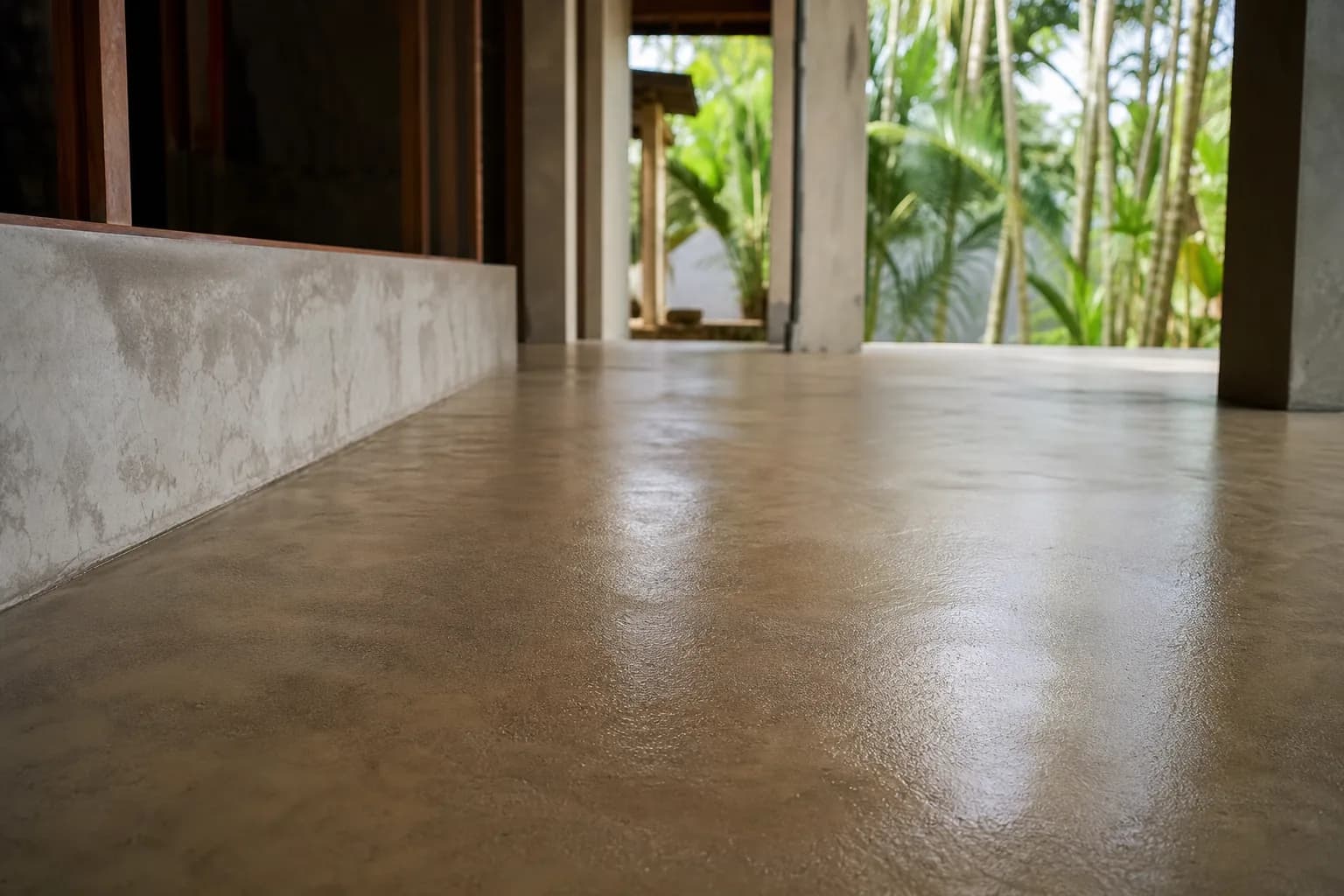
Polished Concrete Microtopping: Surface Prep Sealants Bali
Discover Bali s polished concrete microtopping: expert surface prep, durable sealants, and a flawless finish for modern floors with minimal maintenance.
9 min read