Teak Window Frame Rot Repair for Bali Villas
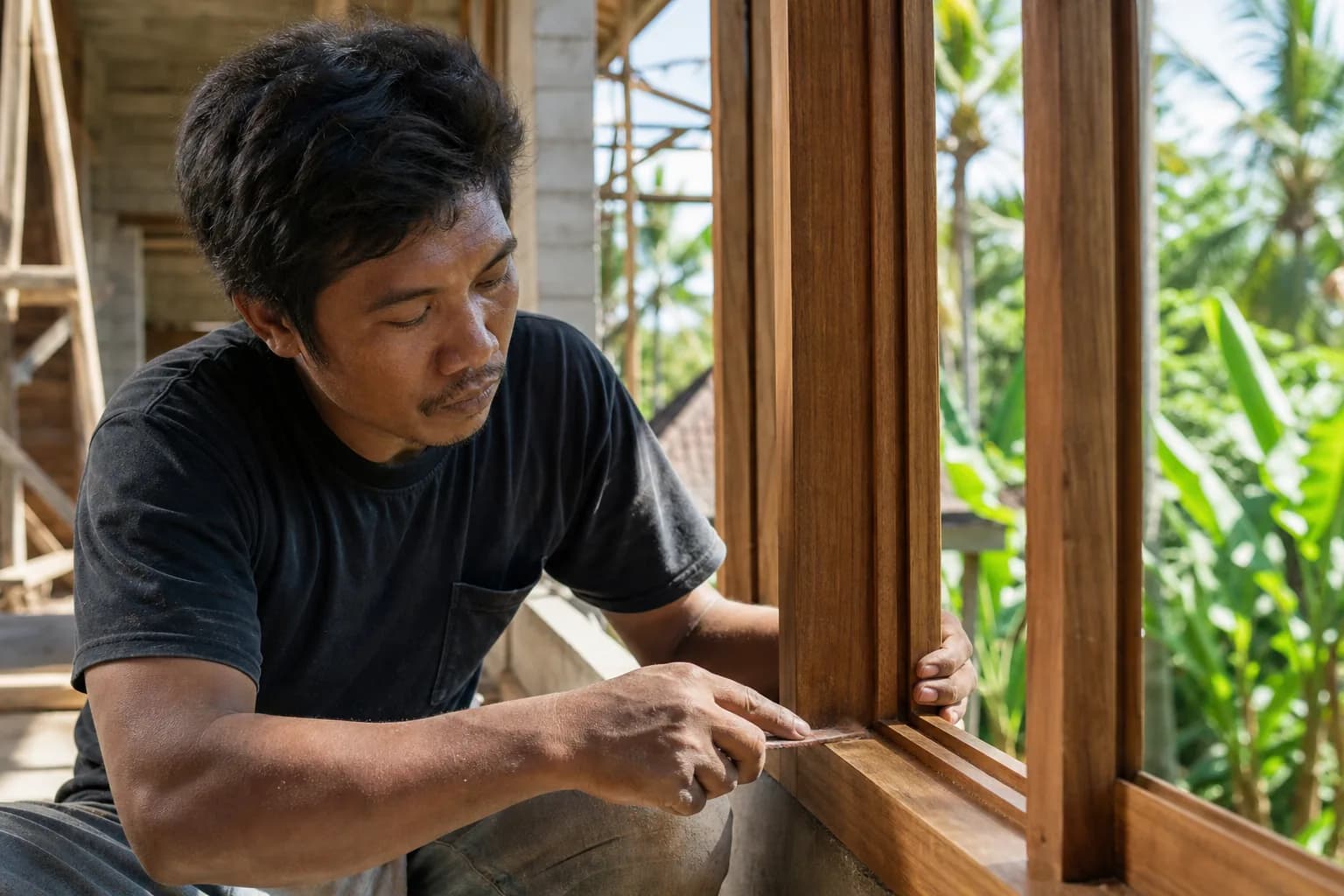
# Teak Window Frame Restoration: Rot Repair Methods for Bali Villas
The Critical Challenge of Teak Window Frame Rot in Bali’s Tropical Climate
Teak window frames in Bali villas face a persistent enemy: tropical rot. Despite teak’s legendary durability, constant exposure to Bali’s high humidity, intense UV radiation, and seasonal monsoons creates perfect conditions for wood decay. When rot takes hold in window frames, it compromises not just aesthetics but structural integrity, water sealing, and interior climate control. The question isn’t whether your villa’s teak frames will need restoration—it’s when and how to execute repairs that preserve the wood’s natural beauty while ensuring decades of continued performance in Indonesia’s demanding coastal environment.
Understanding Teak Rot Mechanisms in Bali’s Coastal Environment
Teak window frame deterioration in Bali villa construction follows predictable patterns that every property owner should recognize. The rot process begins when moisture penetrates the wood’s protective oil layer, typically at joints, end grain, or areas where finish has degraded. In Bali’s climate, this moisture rarely evaporates completely, creating sustained conditions for fungal colonization.
The most common rot types affecting teak frames are brown rot and white rot. Brown rot attacks cellulose, leaving wood brittle and crumbly with a characteristic brown discoloration. White rot degrades both cellulose and lignin, producing a softer, stringy texture with whitish or yellowish patches. Both compromise structural integrity, but their repair approaches differ significantly.
Window frames face particular vulnerability at specific points: the bottom rail where water pools, corner joints where moisture penetrates joinery, and areas where frames meet masonry or concrete—common in Bali villa construction. The salt-laden air in coastal areas like Seminyak, Canggu, and Uluwatu accelerates deterioration by drawing moisture into the wood through hygroscopic action.
Professional assessment requires probing suspected areas with an awl or sharp tool. Sound teak resists penetration; rotted wood allows easy insertion. Moisture meters provide quantitative data—readings above 20% indicate conditions favorable for continued decay. At Teville, our finishing works specialists conduct comprehensive frame surveys before recommending repair versus replacement, as this decision fundamentally affects project scope and budget.
The tropical climate also introduces unique challenges absent in temperate regions. Termites and powder post beetles often accompany rot, requiring integrated pest management alongside wood restoration. High ambient humidity means extended curing times for epoxies and finishes—a critical consideration for project scheduling. UV intensity in Bali degrades protective coatings faster than in northern climates, necessitating more frequent maintenance cycles.
Understanding these mechanisms informs proper repair methodology. Surface treatments fail when underlying moisture problems persist. Successful restoration addresses both the damaged wood and the environmental factors that caused deterioration. This systems-thinking approach distinguishes professional villa renovation in Bali from superficial cosmetic repairs that fail within months.
Materials and Standards for Professional Teak Frame Restoration
Material selection determines restoration longevity in Bali’s aggressive climate. Marine-grade two-part epoxy systems form the foundation of professional repairs. These products—specifically formulated for tropical hardwoods—provide superior adhesion, moisture resistance, and dimensional stability compared to standard wood fillers. Brands like System Three, West System, and Abatron offer epoxy consolidants that penetrate and harden partially rotted wood, plus fillable epoxies for rebuilding missing sections.
For consolidation work, low-viscosity epoxy penetrates deep into compromised wood fibers, polymerizing within the cellular structure to restore mechanical strength. This process works effectively on wood that’s softened but retains structural form. Thicker, fillable epoxies rebuild completely missing sections, accepting shaping, sanding, and finishing like solid teak once cured.
Preservative treatments require careful selection. Copper-based preservatives provide excellent fungal protection but can discolor teak. Boron-based treatments like Tim-bor or Bora-Care offer effective protection without color change, though they require protection from water leaching. For Bali applications, we typically specify boron treatments for interior-facing surfaces and more durable copper naphthenate for exterior exposures.
Finishing products must withstand tropical UV and moisture. Penetrating teak oils like Watco or Deks Olje provide natural appearance but require annual reapplication. Spar varnishes offer superior protection—marine-grade polyurethane varnishes with UV inhibitors last 3-5 years in Bali conditions. The trade-off involves appearance: oils maintain teak’s natural look while varnishes create a built-up film finish.
Quality standards for villa renovation in Bali should reference Indonesian construction standards (SNI) where applicable, though specific teak restoration often requires international best practices. All epoxy systems should cure properly in tropical temperatures (25-32°C) and high humidity (70-90% RH). Products must be sourced from reputable suppliers—counterfeit construction materials remain problematic in Indonesia, making supplier verification essential for professional results.
Step-by-Step Professional Restoration Process
Phase 1: Assessment and Preparation (Days 1-2)
Begin with comprehensive frame inspection, documenting all damage with photographs and measurements. Remove window hardware, glass, and weather stripping. Test all suspect areas with moisture meter and probe tool. Mark repair zones with painter’s tape, distinguishing between consolidation areas (partially rotted) and rebuild zones (complete material loss).
Establish proper workspace with weather protection—critical in Bali where afternoon rains can disrupt epoxy curing. Set up dust extraction if working on occupied villas, as teak dust causes respiratory irritation. Verify all materials are on-site and properly stored; epoxy components must be kept at stable temperatures for proper mixing ratios.
Phase 2: Rot Removal and Wood Preparation (Days 2-3)
Remove all compromised wood using sharp chisels, working back to sound material. This step requires judgment—remove too little and rot continues beneath repairs; remove too much and you weaken the frame unnecessarily. Sound teak shows consistent color and density, resists chisel penetration, and produces clean cuts rather than crumbling.
For corner joints and complex profiles, use rotary tools with carbide burrs for precise material removal. Create mechanical keys—undercuts and irregular surfaces—to improve epoxy adhesion. Clean all surfaces thoroughly with acetone or denatured alcohol, removing oils, dirt, and loose fibers. Allow complete solvent evaporation before epoxy application.
Apply boron preservative to all exposed wood surfaces, following manufacturer’s dilution and application specifications. In Bali’s humidity, allow extended drying time—typically 48 hours versus 24 hours in temperate climates. This patience prevents moisture entrapment beneath epoxy repairs.
Phase 3: Consolidation and Structural Repair (Days 4-6)
Mix epoxy consolidant according to specifications—temperature affects viscosity and cure time significantly. Apply liberally to softened wood areas using disposable brushes, allowing deep penetration. Multiple applications may be necessary as wood absorbs initial coats. Continue until wood refuses additional consolidant, indicating full saturation.
For fillable repairs, mix epoxy with appropriate fillers—wood flour for structural areas, microballoons for easily shaped sections. Apply in layers no thicker than 12mm, allowing each layer to cure before adding the next. This prevents exothermic heat buildup that can cause cracking. Shape repairs slightly proud of final dimensions to allow for finish sanding.
Install reinforcement where necessary. Stainless steel or fiberglass rods epoxied into drilled holes provide structural support for heavily damaged sections. This technique works particularly well for bottom rails where rot has compromised load-bearing capacity. All reinforcement must be non-corrosive—standard steel rusts rapidly in Bali’s coastal environment.
Phase 4: Shaping, Finishing, and Protection (Days 7-9)
Once epoxy fully cures (verify with hardness test), shape repairs using rasps, files, and progressive sanding grits from 80 to 220. Match original profiles precisely—window frames require exact dimensions for proper operation and weather sealing. Epoxy machines easily but generates heat; use intermittent sanding to prevent softening.
Apply finish system appropriate to exposure and maintenance preferences. For natural oil finish, apply three coats of marine teak oil, allowing 24-hour intervals between coats in Bali’s humidity. For varnish systems, apply one coat of thinned varnish as sealer, followed by three full-strength coats with light sanding between applications. Each coat requires 48 hours curing time in tropical conditions.
Reinstall hardware using marine-grade stainless steel fasteners—standard hardware corrodes quickly. Apply silicone sealant at frame-to-masonry interfaces, ensuring water cannot penetrate behind frames. Install new weather stripping if originals show deterioration. Final quality check verifies smooth operation, proper sealing, and finish uniformity.
Cost Factors and Project Timeline for Bali Villa Restoration
Teak window frame restoration costs in Bali vary significantly based on damage extent, frame size, and access complexity. For typical villa window frames (1.2m x 1.5m), expect material costs of Rp 800,000-1,500,000 per frame including marine epoxy, preservatives, and finishing products. Labor costs range from Rp 2,000,000-4,500,000 per frame depending on repair complexity and craftsman expertise.
Project timelines extend longer than temperate-climate work due to Bali’s humidity affecting curing times. A single window frame restoration typically requires 7-10 working days from assessment to completion. Multiple frames benefit from parallel processing—while epoxy cures on one frame, preparation proceeds on others. Full villa projects with 10-15 windows typically span 4-6 weeks including weather contingencies.
Cost optimization comes from addressing multiple frames simultaneously, reducing mobilization expenses and allowing bulk material purchasing. However, rushing curing times compromises results—proper epoxy polymerization cannot be accelerated without specialized equipment. At Teville, our construction process emphasizes quality timelines over artificial speed, ensuring restoration work performs for decades rather than requiring premature re-repair.
Additional costs may include temporary window covering during restoration (Rp 300,000-600,000 per opening), specialized access equipment for upper-floor windows, and pest treatment if termite or beetle infestation accompanies rot. Budget 15-20% contingency for unexpected damage discovered during deconstruction—rot often extends beyond visible indicators.
For comprehensive project planning and cost estimation specific to your villa’s needs, Teville offers detailed assessment services. Visit our cost estimation page to begin the consultation process, or review our portfolio of completed renovation projects for scope and quality references.
Frequently Asked Questions About Teak Frame Restoration
Can I repair teak window frames myself, or should I hire professionals?
DIY repairs work for minor surface damage, but structural rot requires professional expertise. Improper epoxy application, inadequate rot removal, or incorrect product selection leads to repair failure within months. Professional restoration includes proper assessment, marine-grade materials, and understanding of tropical wood behavior. For Bali villa construction standards, professional work ensures repairs match the quality of original installation and maintain property value.
How long do properly restored teak frames last in Bali’s climate?
Professional epoxy repairs, when properly executed with appropriate maintenance, perform for 15-25 years in Bali’s coastal environment. Longevity depends on ongoing finish maintenance—reapplying protective coatings every 2-3 years for varnish systems, annually for oil finishes. Frames in protected locations (covered verandas, minimal direct rain exposure) outlast those in full weather exposure. Regular inspection catches new problems before major damage develops.
What’s the difference between repairing and replacing rotted teak frames?
Repair makes economic sense when rot affects less than 30% of frame volume and structural members remain sound. Replacement becomes necessary when rot compromises multiple frame components, when frames have been previously repaired unsuccessfully, or when dimensional changes prevent proper window operation. New teak frames cost Rp 4,500,000-8,000,000 installed versus Rp 2,800,000-6,000,000 for comprehensive restoration. However, replacement allows upgrading to improved designs with better weather resistance.
Why does rot keep returning even after repairs?
Recurring rot indicates unresolved moisture sources. Common causes include inadequate flashing above frames, failed sealant at masonry interfaces, condensation from interior humidity, or sprinkler systems wetting frames regularly. Successful restoration addresses both damaged wood and moisture pathways. Without correcting environmental factors, even perfect repairs eventually fail. Professional assessment identifies and corrects these underlying issues.
Are there preventive treatments to avoid future rot?
Prevention centers on moisture management and protective finishing. Install proper flashing and drip edges to direct water away from frames. Maintain finish coatings before they fail completely—recoating intact finishes is far easier than restoring bare, weathered wood. Apply boron preservative treatments every 5-
 4344 m²16 month(s)from 290.000 USD
Radha
 164 m²7 month(s)from 79.000 USD
Private: Haridas Villas, Tegallalang
164 m²7 month(s)from 79.000 USDTALA TWO
 2144 m²11 month(s)from 104.000 USD
Narayana
 172 m²8 month(s)from 120.000 USD
Keshava
 1from 198.000 USD
Private: Haridas Villas
 3124 m²6 month(s)from 123.000 USD
TALA 8
 3180 m²7 month(s)from 142.000 USD
Vasudeva
 3173 m²6 month(s)from 125.000 USD
TALA FOUR

Want to calculate?
 3104 m²11 month(s)from 99.000 USD
TALA 100
 3127 m²9 month(s)from 177.000 USD
Mukunda
Start With Real Numbers, Not Guesses
Before finalizing your finishing works plan, check realistic cost ranges for your Bali villa project.
Available lands
 7000 m²36 min$ 284483Bali, Gianyar
 220 m²2 min$ 66565Bali, Cemagi
 300 m²55 min$ 32475Bali, Tegelalang
 1700 m²10 min$ 392549Bali, Nusadua
 3900 m²10 min$ 432266Bali, Tabanan
 1100 m²8 min$ 280419Bali, Ungasan
 7250 m²56 min$ 235714Bali, Tabanan
 1000 m²8 min$ 134544Bali, Bukit
 3100 m²20 min$ 272968Bali, Tabanan
 7500 m²5 min$ 206281Bali, Kedungu
 5815 m²5 min$ 815740Bali, Tabanan
 1350 m²5 min$ 283467Bali, Pecatu
 1000 m²10 min$ 280788Bali, Pecatu
 928 m²15 min$ 910123Bali, Pererenan
 2850 m²15 min$ 315887Bali, Tabanan
Essential Bali build & buy guides
- Bali villa construction cost per m² in 2026
- How much will your villa cost? Calculator
- Building a villa in Bali: the complete guide
- Buying land in Bali: step-by-step for foreigners
- Bali villa investment: yields, risks, returns
- Leasehold vs freehold: what foreigners can own
- Construction defect liability & 10-year warranty
- Bali building codes and construction standards
Related guides
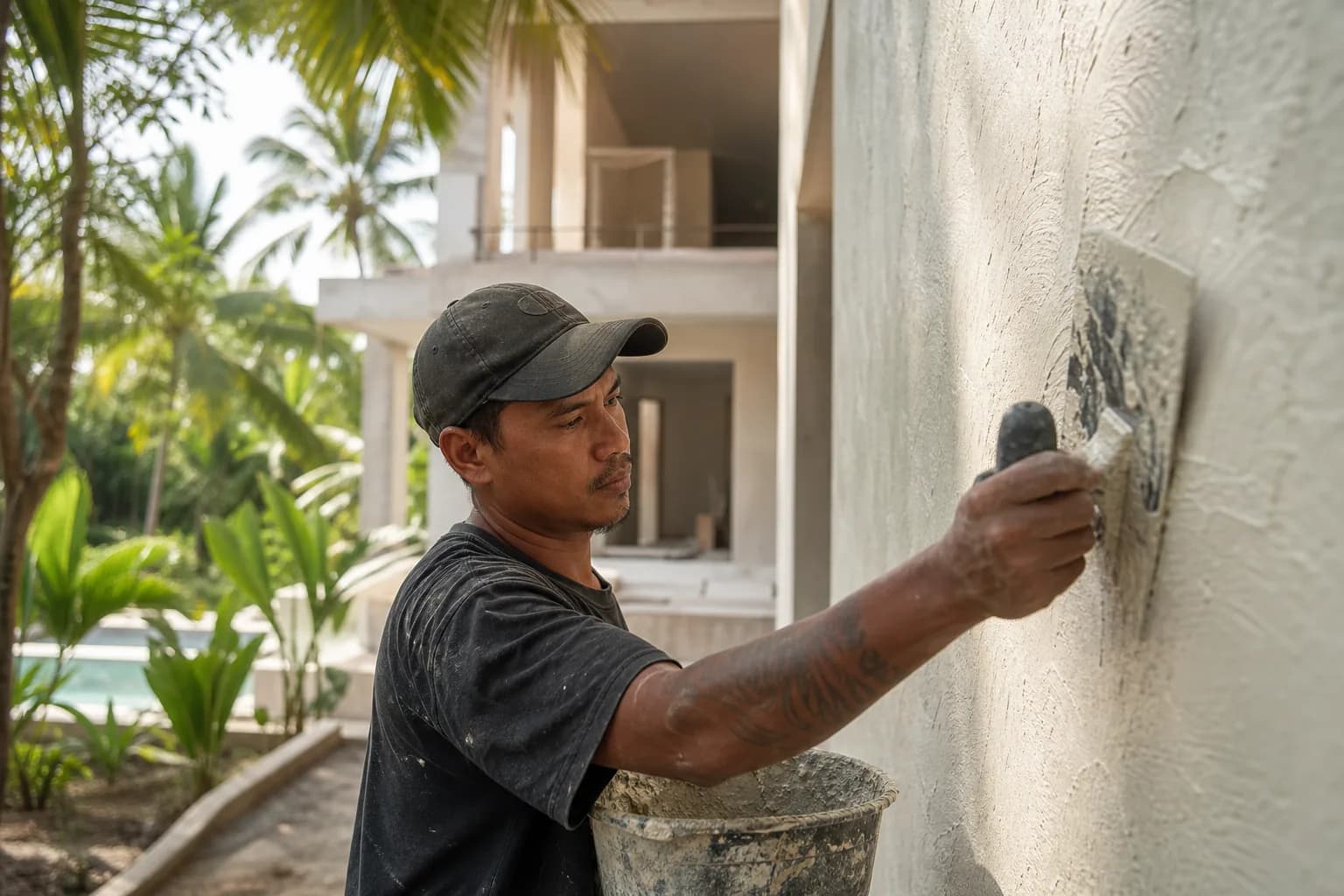
Resin-Infused Plaster Finishes: Anti-Salt Systems Bali
Expert technical guide: Resin-Infused Plaster Finishes: Anti-Salt Systems Bali
8 min read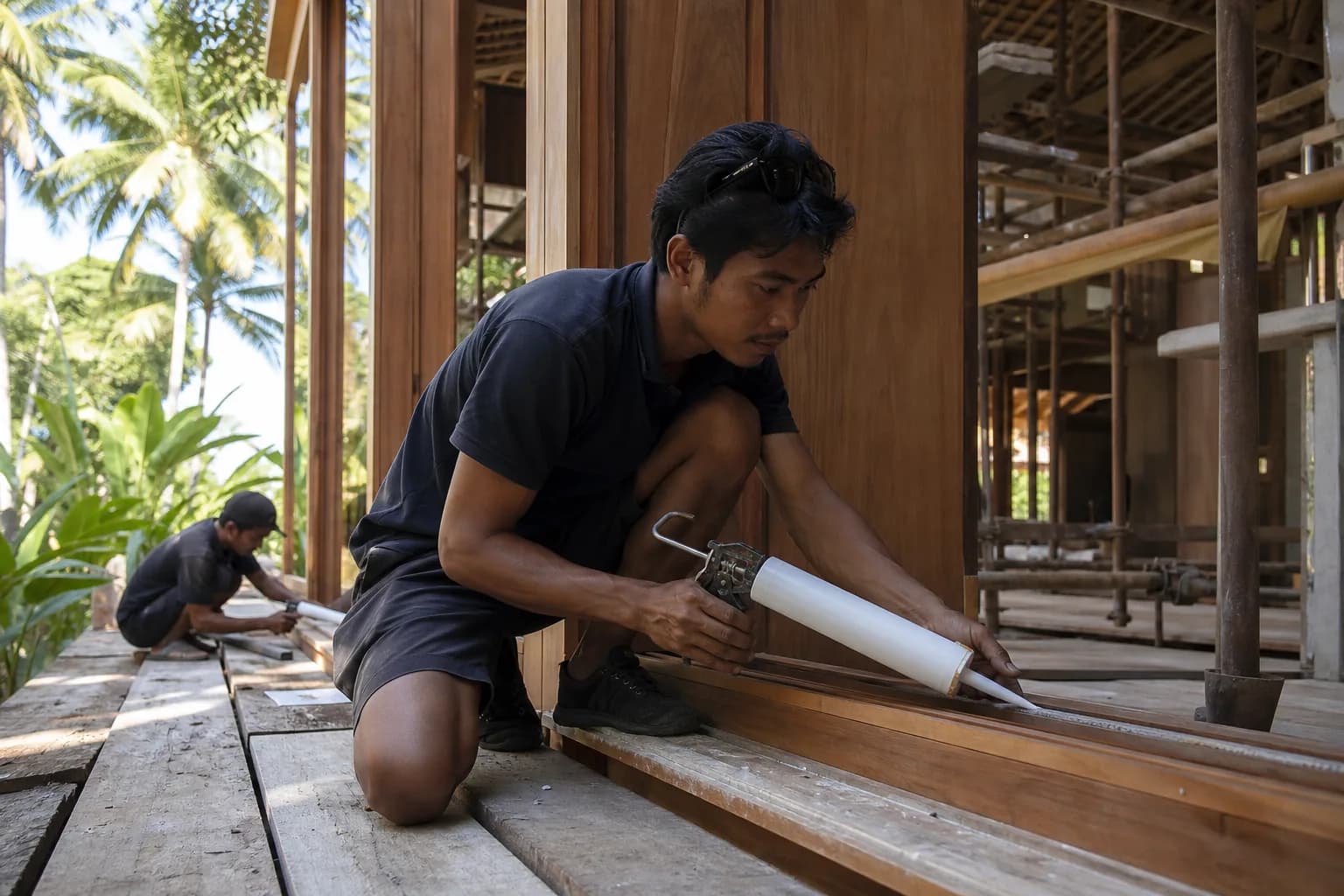
Prefinished Timber Joinery: Silicone Seals Fixings Bali
Professional prefinished timber joinery installation in Bali with silicone seals and fixings for durable weatherproof performance and a premium finish.
10 min read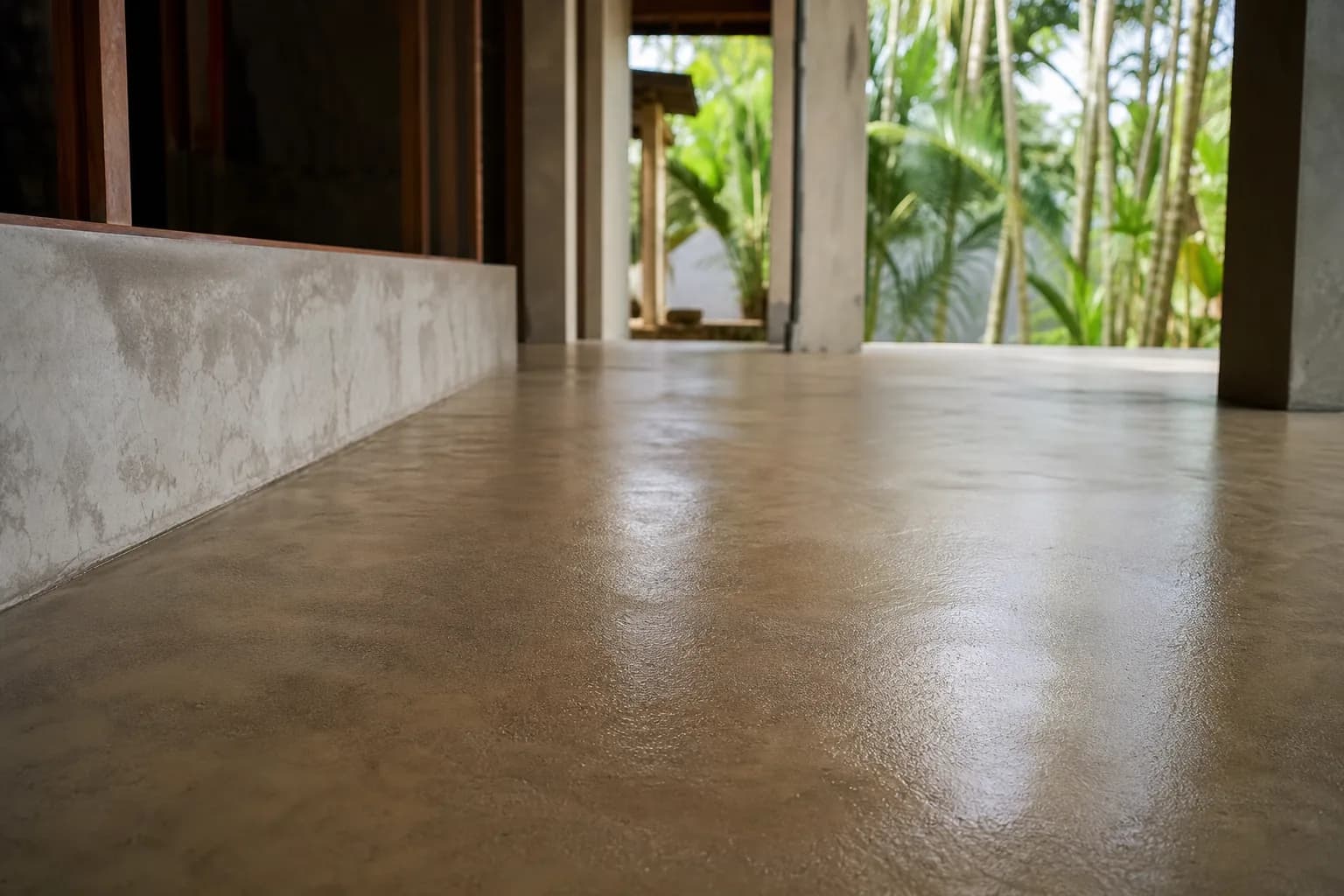
Polished Concrete Microtopping: Surface Prep Sealants Bali
Discover Bali s polished concrete microtopping: expert surface prep, durable sealants, and a flawless finish for modern floors with minimal maintenance.
9 min read