Sump Pump Sizing for Bali Villa Wine Cellars
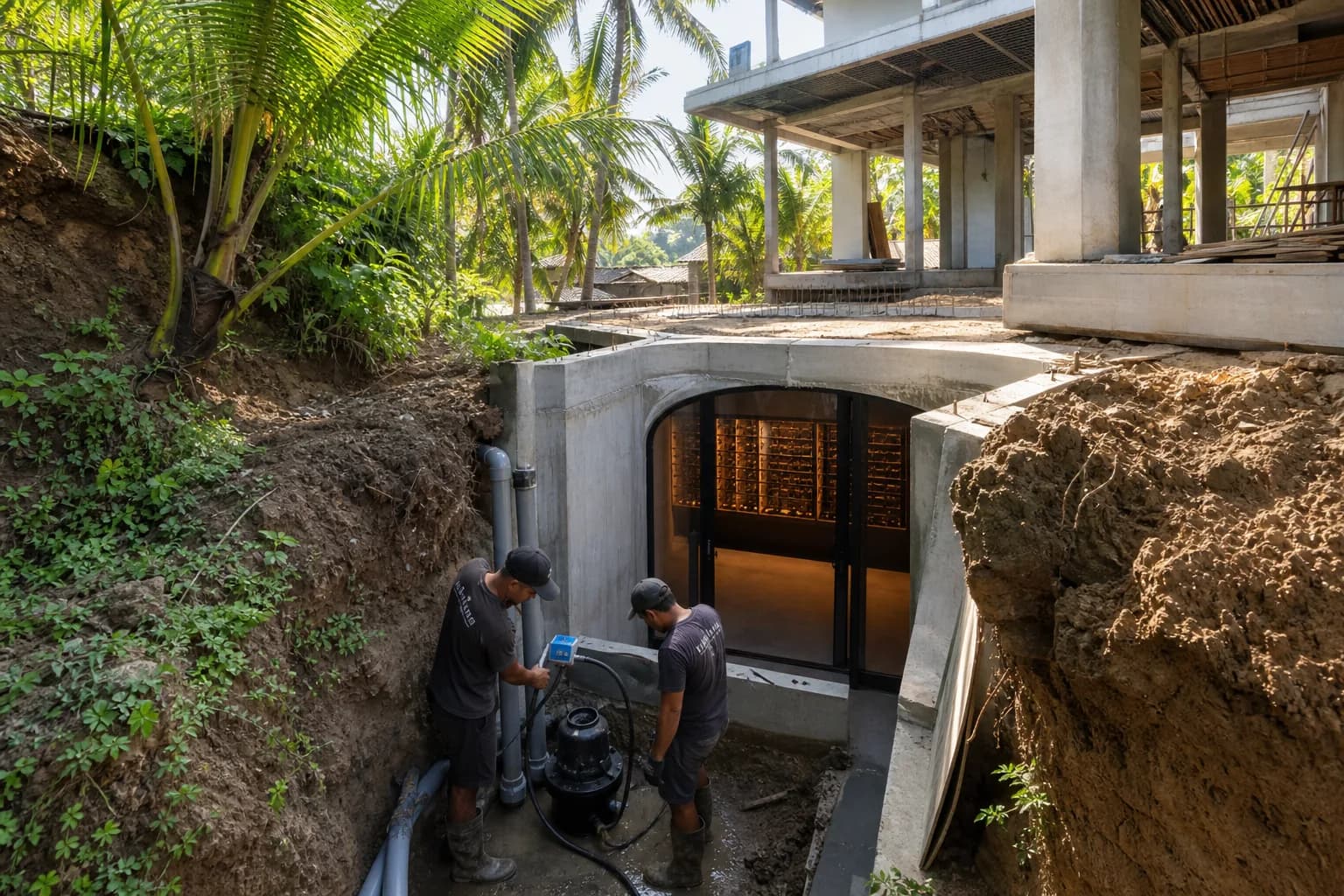
Why Sump Pump Sizing Determines Wine Cellar Success in Bali’s Tropical Climate
Below-grade wine cellars in Bali villas face unique water management challenges that mainland properties rarely encounter. The combination of high water tables, intense monsoon rainfall exceeding 300mm in single events, and year-round humidity creates conditions where undersized sump pumps lead to catastrophic flooding, compromised climate control, and ruined wine collections. Proper sump pump sizing isn’t merely about preventing water accumulation—it’s about maintaining the precise environmental conditions that protect investments worth hundreds of thousands of dollars. At Teville, our finishing works specialists have engineered water management systems for luxury villa wine cellars across Seminyak, Canggu, and Ubud, where groundwater intrusion can occur within hours of heavy rainfall. The technical precision required for Bali villa construction demands understanding vertical lift calculations, basin volumetrics, and tropical storm inflow rates that differ dramatically from temperate climate standards.
Technical Deep Dive: Engineering Sump Pump Systems for Tropical Below-Grade Installations
Sizing a sump pump for below-grade wine cellars in Bali requires calculating three critical parameters: maximum inflow rate during peak rainfall, total dynamic head (vertical lift plus friction losses), and basin capacity for temporary water storage. Unlike standard residential applications, wine cellar installations demand continuous operation capability because even brief flooding compromises temperature stability and introduces mold risks that destroy cork seals and labels.
Calculating Maximum Inflow Rate
Bali’s volcanic soil composition creates variable percolation rates depending on location. In southern coastal areas like Seminyak, sandy soils drain quickly but water tables sit just 2-3 meters below surface during wet season. Central Ubud locations feature clay-heavy soils that channel surface water directly to foundation drains. Our renovation Bali projects measure actual inflow by installing temporary collection systems during monsoon season, recording basin fill rates during peak storms. A typical 40-square-meter below-grade wine cellar with perimeter drainage requires pumps rated for 3,000-5,000 gallons per hour (GPH) to handle storm events, significantly higher than the 1,500-2,000 GPH sufficient for temperate climates.
Total Dynamic Head Calculations
Vertical lift represents the distance from sump basin bottom to discharge point, but friction losses through piping add equivalent “head” that reduces pump efficiency. For wine cellars positioned 3 meters below grade with discharge lines extending 15 meters to drainage fields, total dynamic head typically reaches 5-6 meters. Each 90-degree elbow adds approximately 0.3 meters equivalent head, while check valves contribute 0.6 meters. Teville’s interior finishing Bali teams use 1.5-inch minimum diameter discharge piping to minimize friction losses, upgrading to 2-inch lines for high-capacity systems exceeding 4,000 GPH. Pump performance curves show dramatic capacity reductions at higher heads—a pump rated 5,000 GPH at zero head may deliver only 3,200 GPH at 6 meters, making oversizing essential.
Basin Sizing and Redundancy
Wine cellar sump basins must accommodate inflow during pump cycle times while providing reserve capacity for power interruptions. We specify minimum 24-inch diameter basins with 36-inch depth, yielding approximately 170 liters working volume between pump activation and shutoff levels. This capacity handles 10-15 minutes of peak inflow, allowing pumps to cycle efficiently rather than running continuously. Critical installations incorporate dual pump configurations—a primary unit handling normal conditions and secondary high-capacity pump activating during extreme events. The basin design includes separate compartments preventing sediment from reaching pump intakes, crucial in Bali’s volcanic soil conditions where fine particles accelerate impeller wear.
Tropical Climate Considerations
Bali’s consistent 26-32°C temperatures and 75-85% humidity create conditions where pump motors overheat if undersized units run continuously. We specify submersible pumps with thermal overload protection and stainless steel or thermoplastic housings resistant to tropical corrosion. Cast iron pumps common in temperate regions fail within 18-24 months due to rust, while marine-grade materials maintain performance for 8-10 years. Power reliability issues across Bali necessitate battery backup systems capable of 4-6 hours runtime, sufficient to bridge typical outage durations during storms when pumping is most critical.
Materials and Standards for Tropical Wine Cellar Sump Systems
Material selection for villa utilities in Bali’s corrosive tropical environment determines system longevity and reliability. Teville specifies components meeting international standards while accounting for local conditions that accelerate degradation.
Pump Construction Materials
Submersible sump pumps for wine cellar applications require 316 stainless steel or engineered thermoplastic housings. Cast iron units acceptable in dry climates corrode rapidly in Bali’s humid conditions, particularly when exposed to groundwater containing dissolved salts from coastal proximity. Impellers must be non-clog design handling particles up to 12mm diameter, as volcanic soil introduces fine sediment despite pre-filtration. Motor windings should feature Class F insulation rated for continuous duty at 40°C ambient temperatures, exceeding the Class B insulation adequate for temperate installations.
Basin and Liner Specifications
Pre-formed polyethylene basins resist cracking from ground movement better than concrete alternatives, critical in seismically active Bali. We install 24-inch minimum diameter basins with ribbed construction providing structural rigidity without requiring external support. Basin covers must be sealed yet removable for maintenance access, incorporating rubber gaskets preventing humidity infiltration into wine cellar spaces. The basin bottom includes sediment trap sections 150mm deeper than pump intake level, collecting particles before they reach mechanical components.
Piping and Valve Systems
Schedule 40 PVC discharge piping provides optimal balance of strength, corrosion resistance, and cost-effectiveness for Bali villa construction applications. We install swing check valves immediately above pumps preventing backflow that would refill basins after pump shutoff, using brass or stainless steel internals rather than plastic components that fail under repeated cycling. Discharge lines slope continuously upward at minimum 2% grade, eliminating low points where water accumulates and freezes—though freezing isn’t a Bali concern, proper slope prevents airlocks that reduce pump efficiency.
Electrical and Control Standards
Pump circuits require dedicated 20-amp breakers with GFCI protection, though Bali’s 220V/50Hz power standard differs from North American specifications. Float switches activating pumps must be tethered style rather than integrated units, allowing replacement without pump removal. We install dual float configurations—primary switch at normal activation level and secondary high-water alarm switch triggering notifications before overflow occurs. Battery backup systems use sealed AGM batteries maintaining charge in tropical heat better than flooded lead-acid alternatives.
Step-by-Step Installation Process for Wine Cellar Sump Systems
Professional installation of below-grade sump systems requires coordinating with waterproofing, electrical, and climate control trades during renovation Bali projects. Teville’s systematic approach ensures reliable operation and maintainability.
Phase 1: Site Assessment and System Design (Days 1-3)
Installation begins with measuring actual groundwater levels through test borings at proposed wine cellar location. We excavate 1-meter test pits, monitoring water accumulation over 48-hour periods during wet season to establish baseline inflow rates. Soil percolation tests determine drainage characteristics, with samples analyzed for pH and mineral content affecting material selection. These measurements inform pump capacity calculations and basin positioning. We map discharge routing to existing drainage systems or design new discharge fields meeting 10-meter minimum distance from foundations. Electrical service capacity assessment confirms adequate power for pump circuits and battery backup systems.
Phase 2: Basin Installation and Drainage Integration (Days 4-7)
Basin excavation extends 200mm beyond basin diameter, backfilled with 20mm drainage gravel providing stable base and lateral drainage. The basin bottom sits 150mm below finished floor elevation, with perimeter drainage tiles sloping toward basin at 1% minimum grade. We install 100mm perforated drainage pipe around wine cellar perimeter, wrapped in geotextile fabric preventing sediment infiltration. These drains connect to basin through 100mm solid pipe penetrations, sealed with rubber boots preventing groundwater bypass. Basin leveling uses laser levels ensuring rim sits perfectly horizontal—critical for float switch operation. Gravel backfill around basin exterior provides drainage path while supporting basin walls against soil pressure.
Phase 3: Pump and Piping Installation (Days 8-10)
Submersible pumps mount on basin bottom using adjustable pedestals elevating intakes 50mm above sediment trap. Discharge piping connects through basin cover penetrations sealed with rubber grommets, with check valve installed within 300mm of pump discharge. We route piping through wine cellar walls using core-drilled penetrations sealed with hydraulic cement and waterproofing membrane continuity maintained. Discharge lines slope continuously upward, supported every 1.2 meters preventing sag that creates low points. Exterior discharge terminates at splash blocks or connects to storm drainage systems, never to sanitary sewers. All piping joints use primer and solvent cement appropriate for tropical temperatures, with 24-hour cure time before pressure testing.
Phase 4: Electrical Integration and Controls (Days 11-12)
Dedicated electrical circuits run from distribution panel to pump location using 2.5mm² minimum wire gauge in waterproof conduit. Junction boxes positioned above potential flood levels house pump connections and float switch wiring. We install primary and secondary float switches at calculated activation levels, with tethered floats moving freely without obstruction. Battery backup systems connect between power source and pump, with automatic transfer switching engaging during outages. Control panels mount in accessible locations outside wine cellar, displaying pump status and high-water alarms. All electrical work complies with Indonesian electrical codes and receives inspection certification before system activation.
Phase 5: Testing and Commissioning (Days 13-14)
System commissioning involves filling basin to activation level, verifying pump starts automatically and discharges properly. We measure actual flow rates against design specifications, adjusting float switch positions if necessary. Simulated power failure tests confirm battery backup engages seamlessly, with runtime measured under load. High-water alarm testing ensures notifications activate before overflow conditions. Final documentation includes pump performance curves, maintenance schedules, and emergency procedures provided to villa owners. Our furniture installation teams coordinate wine rack placement ensuring maintenance access to sump systems remains unobstructed.
Cost Analysis and Project Timeline for Bali Wine Cellar Sump Systems
Investment in properly sized sump pump systems represents 3-5% of total below-grade wine cellar construction costs, yet prevents losses exponentially greater than installation expenses. Teville’s transparent pricing reflects quality materials and professional installation standards required for tropical applications.
Material Cost Breakdown
High-capacity submersible pumps rated 4,000-5,000 GPH with stainless steel construction cost IDR 8,500,000-15,000,000 depending on brand and features. Pre-formed polyethylene basins with covers run IDR 2,200,000-3,500,000 for 24-inch diameter units. Piping, valves, and fittings total IDR 1,800,000-2,800,000 for typical installations. Battery backup systems with 6-hour runtime capacity cost IDR 6,500,000-9,500,000. Control panels, float switches, and alarm systems add IDR 2,500,000-4,000,000. Total material costs range IDR 21,500,000-34,800,000 for complete systems.
Installation Labor and Timeline
Professional installation by Teville’s certified technicians requires 12-14 working days including site assessment, excavation, plumbing, electrical work, and commissioning. Labor costs range IDR 18,000,000-28,000,000 depending on site complexity and access constraints. Projects in established villas with limited excavation access require additional time and specialized equipment. Our construction process integrates sump system installation with broader wine cellar finishing works, optimizing scheduling and minimizing disruption.
Long-Term Operating Costs
Electrical consumption for sump pumps averages 15-25 kWh monthly during wet season, costing IDR 25,000-40,000 at current Bali electricity rates. Annual maintenance including pump inspection, float switch testing, and battery replacement costs IDR 2,500,000-3,500,000. Properly maintained systems operate 8-10 years before pump replacement becomes necessary, with basin and piping infrastructure lasting 20+ years. These modest operating costs pale compared to wine collection losses from single flooding event, making professional installation essential risk management.
Frequently Asked Questions About Wine Cellar Sump Pump Sizing
How do I calculate the correct pump capacity for my specific wine cellar size?
Pump capacity calculation starts with measuring your wine cellar’s perimeter drainage system length and estimating peak rainfall infiltration rates. For Bali conditions, calculate 0.5 liters per minute per linear meter of perimeter drain during extreme storms. A 40-square-meter cellar with 26-meter perimeter requires handling 13 liters/minute or 780 liters/hour base flow. Add 50% safety margin y

Want to calculate?
 1from 198.000 USD
Private: Haridas Villas
 3124 m²6 month(s)from 123.000 USD
TALA 8
 164 m²7 month(s)from 79.000 USD
Private: Haridas Villas, Tegallalang
 3104 m²11 month(s)from 99.000 USD
TALA 100
164 m²7 month(s)from 79.000 USDTALA TWO
 3180 m²7 month(s)from 142.000 USD
Vasudeva
 3127 m²9 month(s)from 177.000 USD
Mukunda
 2144 m²11 month(s)from 104.000 USD
Narayana
 172 m²8 month(s)from 120.000 USD
Keshava
 3173 m²6 month(s)from 125.000 USD
TALA FOUR
 4344 m²16 month(s)from 290.000 USD
Radha
Start With Real Numbers, Not Guesses
Before finalizing your finishing works plan, check realistic cost ranges for your Bali villa project.
Available lands
 5815 m²5 min$ 815740Bali, Tabanan
 550 m²15 min$ 164594Bali, Mengwi
 1000 m²5 min$ 350431Bali, Drupadi
 1533 m²5 min$ 165666Bali, Cepaka
 770 m²5 min$ 163578Bali, Kedungu
 325 m²15 min$ 44472Bali, Ungasan
 3300 m²15 min$ 449889Bali, Tabanan
 1000 m²10 min$ 303571Bali, Tabanan
 550 m²5 min$ 217629Bali, Tabanan
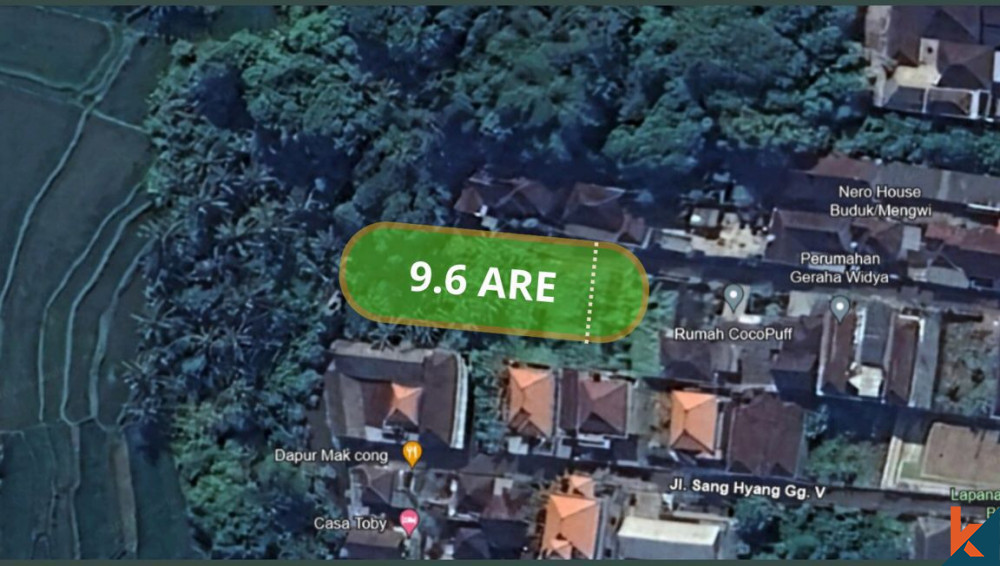 960 m²15 min$ 91034Bali, Mengwi
 260 m²5 min$ 51872Bali, Kedungu
 608 m²15 min$ 310377Bali, Seminyak
 2400 m²7 min$ 496552Bali, Canggu
 889 m²15 min$ 145612Bali, Cepaka
 204 m²5 min$ 40899Bali, Kedungu
Essential Bali build & buy guides
- Bali villa construction cost per m² in 2026
- How much will your villa cost? Calculator
- Building a villa in Bali: the complete guide
- Buying land in Bali: step-by-step for foreigners
- Bali villa investment: yields, risks, returns
- Leasehold vs freehold: what foreigners can own
- Construction defect liability & 10-year warranty
- Bali building codes and construction standards
Related guides
Resin-Infused Plaster Finishes: Anti-Salt Systems Bali
Expert technical guide: Resin-Infused Plaster Finishes: Anti-Salt Systems Bali
8 min read
Prefinished Timber Joinery: Silicone Seals Fixings Bali
Professional prefinished timber joinery installation in Bali with silicone seals and fixings for durable weatherproof performance and a premium finish.
10 min read
Polished Concrete Microtopping: Surface Prep Sealants Bali
Discover Bali s polished concrete microtopping: expert surface prep, durable sealants, and a flawless finish for modern floors with minimal maintenance.
9 min read