Construction Standards in Bali: Building Codes and Regulations
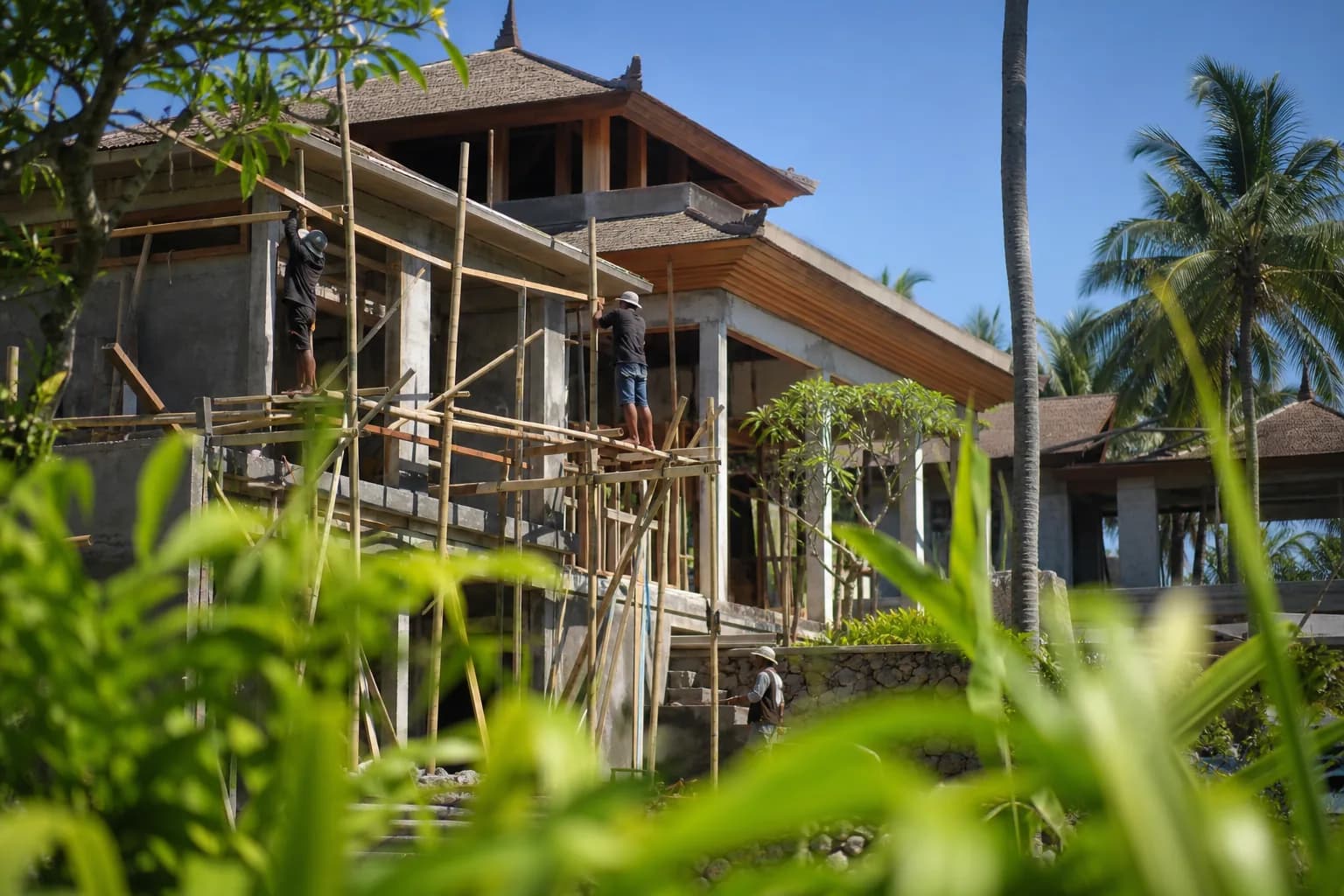
# Construction Technology & Standards in Bali: A Comprehensive Guide for 2026
Introduction to Construction Standards in Bali
Bali’s construction landscape in 2026 represents a sophisticated blend of traditional architectural heritage and modern engineering requirements. As one of Indonesia’s premier destinations for property development, the island has implemented stringent construction standards Bali that reflect both its unique environmental challenges and cultural preservation mandates. Understanding these standards is crucial for anyone considering building projects on the island, whether residential villas, commercial properties, or mixed-use developments.
The regulatory framework governing construction in Bali has evolved significantly, with authorities implementing comprehensive building codes that address seismic activity, tropical climate conditions, and aesthetic considerations that protect the island’s distinctive character. For developers and property owners, navigating these requirements demands expertise in local regulations, engineering standards, and construction methodologies specifically adapted to Bali’s environment. At Teville, we specialize in ensuring every project meets or exceeds these rigorous standards while delivering exceptional quality and durability.
The Challenge of Meeting Bali’s Construction Standards
Building in Bali presents unique challenges that distinguish it from construction projects in other tropical or seismic regions. The island’s position within the Pacific Ring of Fire, combined with its humid tropical climate and strict cultural preservation laws, creates a complex regulatory environment that demands specialized knowledge and experience.
Many foreign investors and even local developers underestimate the complexity of construction standards Bali enforcement. The Indonesian government has tightened regulations considerably, making compliance non-negotiable. Projects that fail to meet standards face significant delays, financial penalties, or even demolition orders. The mandatory PBG (Persetujuan Bangunan Gedung) or Building Approval process now requires detailed engineering documentation, environmental impact assessments, and proof of compliance with zoning regulations before any construction can commence.
Beyond regulatory compliance, the technical challenges are substantial. Bali’s high humidity levels, salt-laden coastal air, intense UV radiation, and seasonal monsoons accelerate material degradation. Standard construction materials and methods used in temperate climates often fail prematurely in Bali’s environment. Concrete spalling, steel corrosion, wood rot, and mold growth are common issues in buildings constructed without proper tropical engineering considerations.
The seismic requirements add another layer of complexity. Bali experiences regular seismic activity, and building codes mandate earthquake-resistant design for all structures. This requires specialized structural engineering, appropriate foundation systems, and construction techniques that can accommodate ground movement while maintaining structural integrity. The combination of these factors means that successful construction in Bali requires not just compliance with regulations, but deep understanding of tropical engineering principles and local construction realities.
Technical Standards and Regulatory Framework
The technical standards governing construction in Bali are comprehensive and strictly enforced. Understanding these requirements is essential for project feasibility and successful completion.
Building Approval and Certification Requirements
The PBG (Persetujuan Bangunan Gedung) process is the cornerstone of legal construction in Bali. This building approval must be obtained before any construction activities begin. The PBG application requires detailed architectural plans, structural engineering calculations, site plans showing setbacks and building coverage ratios, environmental compliance documentation, and proof of land ownership or legal rights to build. The review process typically takes 2-4 months for residential projects and longer for commercial developments.
Upon completion, buildings must obtain the SLF (Sertifikat Laik Fungsi) or Functionality Certificate. This certificate confirms that the completed building meets all safety standards, structural requirements, and functional specifications outlined in the approved plans. The SLF is mandatory for occupancy and is increasingly required for property transactions, insurance, and business licensing. Buildings without proper SLF certification face legal complications and reduced market value.
Zoning and Height Restrictions
Bali’s zoning regulations are designed to preserve the island’s aesthetic character and cultural identity. Building height restrictions are particularly strict, especially in tourist areas and near temples. In most residential zones, maximum building height is limited to 15 meters, roughly equivalent to a three-story structure. This limit is measured from natural ground level and includes all architectural elements, roof structures, and mechanical equipment.
Coastal zones have additional restrictions, with setback requirements from the high-tide line ranging from 50 to 100 meters depending on the specific location. These setbacks protect coastal ecosystems and ensure public access to beaches. Building coverage ratios (KDB – Koefisien Dasar Bangunan) typically limit the building footprint to 40-60% of the total land area, with the remainder designated for landscaping and open space. Floor area ratios (KLB – Koefisien Lantai Bangunan) further restrict total built area across all floors.
Seismic and Structural Engineering Standards
Earthquake-resistant design is mandatory for all structures in Bali. The Indonesian National Standard (SNI) for earthquake-resistant building design requires structures to withstand seismic forces based on the island’s classification as a high-risk seismic zone. This involves specific requirements for foundation design, structural framing systems, connection details, and material specifications.
Foundation systems must be designed to accommodate both vertical loads and lateral seismic forces. Reinforced concrete foundations with adequate depth and reinforcement are standard. For larger structures or challenging soil conditions, pile foundations or ground improvement techniques may be required. Soil testing and geotechnical investigations are mandatory for projects above certain size thresholds.
Structural frames must incorporate ductile detailing, allowing the structure to deform without catastrophic failure during seismic events. Reinforced concrete frames require specific reinforcement patterns, lap lengths, and connection details. Steel structures must use appropriate connection types and bracing systems. Masonry construction, while traditional, requires reinforcement and confinement to meet seismic standards.
Material Standards for Tropical Conditions
The selection of appropriate materials is critical for long-term durability in Bali’s tropical marine environment. Construction standards Bali emphasize the use of materials that resist corrosion, moisture damage, and biological degradation.
Concrete specifications require minimum cement content, maximum water-cement ratios, and appropriate admixtures to enhance durability. For coastal projects, marine-grade concrete with increased cover to reinforcement and corrosion-resistant additives is essential. Concrete strength typically ranges from K-225 to K-300 (approximately 22.5 to 30 MPa) depending on structural requirements.
Steel reinforcement must be properly specified and protected. Stainless steel reinforcement or epoxy-coated rebar is recommended for coastal locations. Adequate concrete cover (minimum 40-50mm for exposed conditions) protects reinforcement from moisture and chloride penetration. All structural steel must be hot-dip galvanized or protected with appropriate coating systems.
Timber selection requires careful consideration of species and treatment. Tropical hardwoods like teak, merbau, and ironwood offer natural durability, but sustainable sourcing and proper documentation are required. Treated timber must use approved preservatives suitable for tropical conditions. Engineered wood products require additional protection against moisture and termites.
Roofing materials must withstand intense UV radiation, heavy rainfall, and high winds. Clay tiles, concrete tiles, and metal roofing with appropriate coatings are common choices. Waterproofing systems must be robust, with multiple layers of protection for flat or low-slope roofs. Drainage design is critical to prevent water accumulation and infiltration.
Risks of Non-Compliance and Substandard Construction
The consequences of failing to meet Bali’s construction standards extend far beyond regulatory penalties. Understanding these risks is essential for making informed decisions about construction projects.
Legal and Financial Risks
Building without proper permits or failing to meet approved specifications can result in severe legal consequences. Indonesian authorities have increased enforcement, conducting regular inspections and responding to complaints. Violations can result in construction stop orders, substantial fines, mandatory modifications, or in extreme cases, demolition orders. The financial impact of these penalties often exceeds the cost of proper compliance from the outset.
Properties built without proper documentation face significant challenges in transactions. Banks are increasingly reluctant to provide financing for properties lacking complete permits and certificates. Title insurance and property insurance may be unavailable or prohibitively expensive. Resale value is substantially reduced, as informed buyers recognize the legal and practical risks associated with non-compliant properties.
Structural and Safety Risks
Substandard construction that fails to meet seismic requirements poses genuine safety risks. Bali’s seismic activity is unpredictable, and structures not designed to appropriate standards may suffer catastrophic failure during earthquakes. The human cost of such failures is immeasurable, and the legal liability for property owners and builders is substantial.
Inadequate foundation design can lead to differential settlement, causing cracks, structural distress, and eventual failure. In Bali’s varied soil conditions, proper geotechnical investigation and foundation engineering are essential. Shortcuts in foundation construction often manifest as problems years after completion, requiring expensive remediation.
Durability and Maintenance Risks
Construction that ignores tropical engineering principles faces accelerated degradation. Concrete cancer caused by reinforcement corrosion is common in coastal buildings constructed with inadequate specifications. Repair costs often exceed the original construction cost, and in severe cases, structures may require complete reconstruction within 10-15 years.
Moisture-related problems including mold growth, wood rot, and material degradation affect buildings without proper waterproofing and ventilation design. These issues impact not only structural integrity but also indoor air quality and occupant health. The ongoing maintenance costs of poorly constructed buildings can be substantial, eroding the economic viability of the investment.
Reputational and Business Risks
For developers and construction companies, non-compliance and quality issues damage reputation and future business prospects. In Bali’s relatively small professional community, word spreads quickly about problematic projects. Social media and online reviews amplify the impact of construction failures, affecting both immediate projects and long-term business viability.
For commercial properties, non-compliance can affect business licensing, insurance coverage, and operational permits. Hotels, restaurants, and other businesses require various operational licenses that depend on building compliance. Discovering compliance issues after business operations have commenced can result in closure orders and substantial financial losses.
The Construction Process: Ensuring Standards Compliance
Successfully navigating Bali’s construction standards requires a systematic approach that integrates regulatory compliance with technical excellence. At Teville, we have developed a comprehensive process that ensures every project meets all requirements while delivering superior quality.
Pre-Construction Phase
The foundation of standards compliance is laid during the pre-construction phase. This begins with thorough site analysis, including topographic surveys, soil investigations, and environmental assessments. Understanding site-specific conditions allows for appropriate design responses and identifies potential challenges early in the process.
Regulatory due diligence is essential. This includes verifying land status and ownership, confirming zoning compliance and allowable uses, identifying applicable building codes and standards, and determining permit requirements and approval timelines. For foreign investors, additional considerations regarding land ownership structures and nominee arrangements must be addressed.
Design development must integrate regulatory requirements from the outset. Our approach involves collaboration between architects, structural engineers, and regulatory specialists to ensure designs are both aesthetically compelling and fully compliant. This integrated design process prevents costly revisions during the approval process and construction phases.
The PBG application process requires meticulous documentation. Complete architectural drawings, structural engineering calculations, MEP (mechanical, electrical, plumbing) designs, site plans showing setbacks and coverage ratios, environmental compliance documentation, and proof of land rights must all be prepared to exacting standards. Our experience with local authorities streamlines this process, reducing approval timelines and avoiding common pitfalls.
Construction Phase Management
During construction, maintaining standards compliance requires rigorous quality control and documentation. Our construction management approach includes regular inspections at critical stages, material testing and verification, documentation of construction progress, and coordination with regulatory inspectors.
Foun
 4344 m²16 month(s)from 290.000 USD
Radha
 2144 m²11 month(s)from 104.000 USD
Narayana
 164 m²7 month(s)from 79.000 USD
Private: Haridas Villas, Tegallalang
 3180 m²7 month(s)from 142.000 USD
Vasudeva
 3173 m²6 month(s)from 125.000 USD
TALA FOUR
 3124 m²6 month(s)from 123.000 USD
TALA 8
 3104 m²11 month(s)from 99.000 USD
TALA 100

Want to calculate?
 1from 198.000 USD
Private: Haridas Villas
164 m²7 month(s)from 79.000 USDTALA TWO
 172 m²8 month(s)from 120.000 USD
Keshava
 3127 m²9 month(s)from 177.000 USD
Mukunda
Start With Real Numbers, Not Guesses
Before buying land or finalizing a design, check the realistic build cost range for your project in Bali.
Our team reviews your inputs and gives a grounded estimate.
Available lands
 2200 m²3 min$ 183842Bali, Berawa
 2200 m²15 min$ 508005Bali, Canggu
 660 m²10 min$ 175567Bali, Mengwi
 615 m²15 min$ 113608Bali, Tabanan
 3000 m²15 min$ 1246921Bali, Tabanan
 700 m²15 min$ 109052Bali, Buduk
 200 m²5 min$ 59113Bali, Bukit
 1100 m²8 min$ 280419Bali, Ungasan
 3800 m²15 min$ 100616Bali, Pererenan
 7250 m²56 min$ 235714Bali, Tabanan
 1000 m²8 min$ 134544Bali, Bukit
 1000 m²10 min$ 384852Bali, Canggu
 2115 m²5 min$ 1139547Bali, Pererenan
 1000 m²5 min$ 350431Bali, Drupadi
 2230 m²15 min$ 410573Bali, Padonan
Essential Bali build & buy guides
- Bali villa construction cost per m² in 2026
- How much will your villa cost? Calculator
- Building a villa in Bali: the complete guide
- Buying land in Bali: step-by-step for foreigners
- Bali villa investment: yields, risks, returns
- Leasehold vs freehold: what foreigners can own
- Construction defect liability & 10-year warranty
Related guides
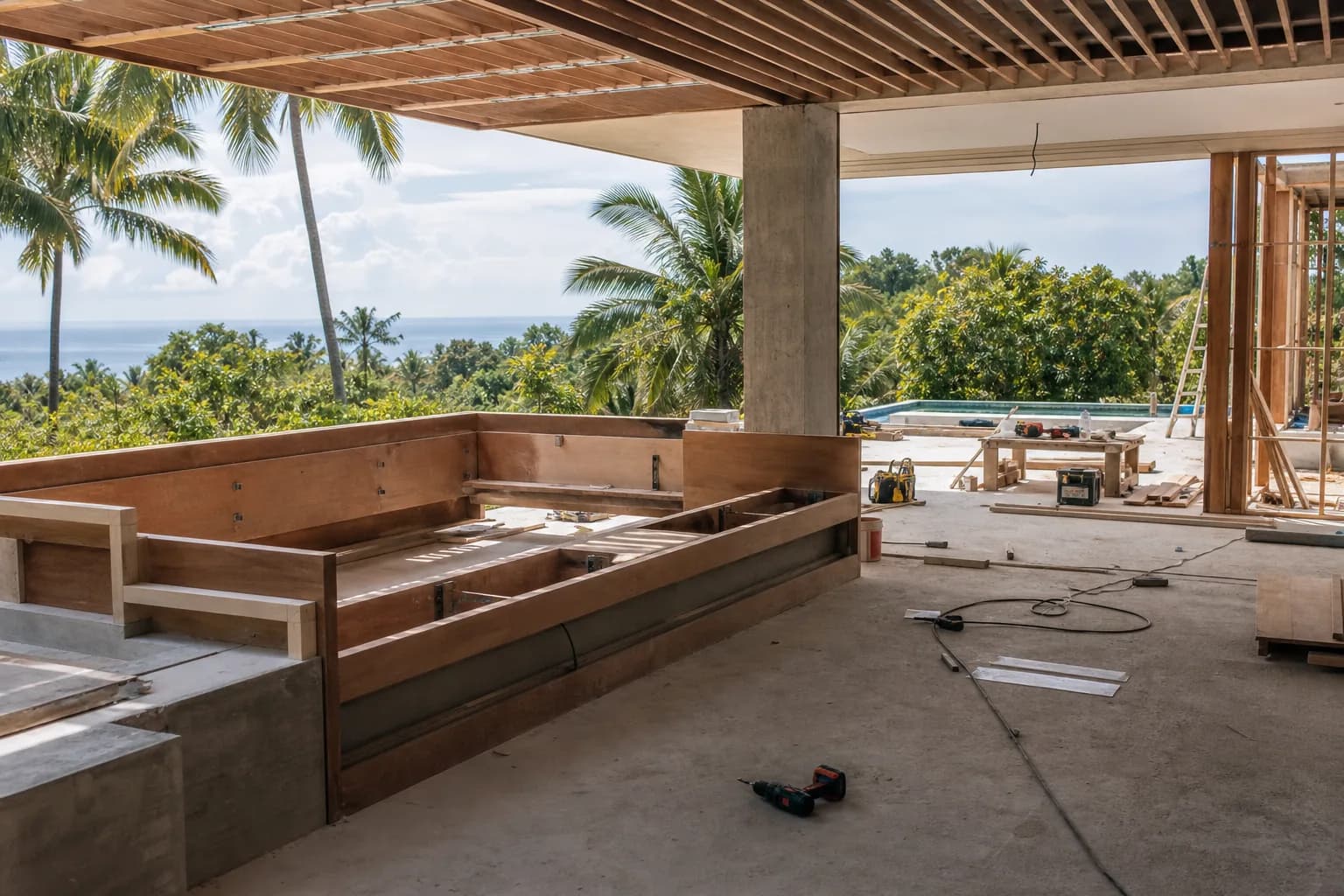
Integrated Furniture Fixings Hidden Brackets MEP Clearance Bali
Explore integrated furniture fixings with hidden brackets and MEP clearance in Bali. Learn installation tips, load guidance, and clean, accessible finishes.
8 min read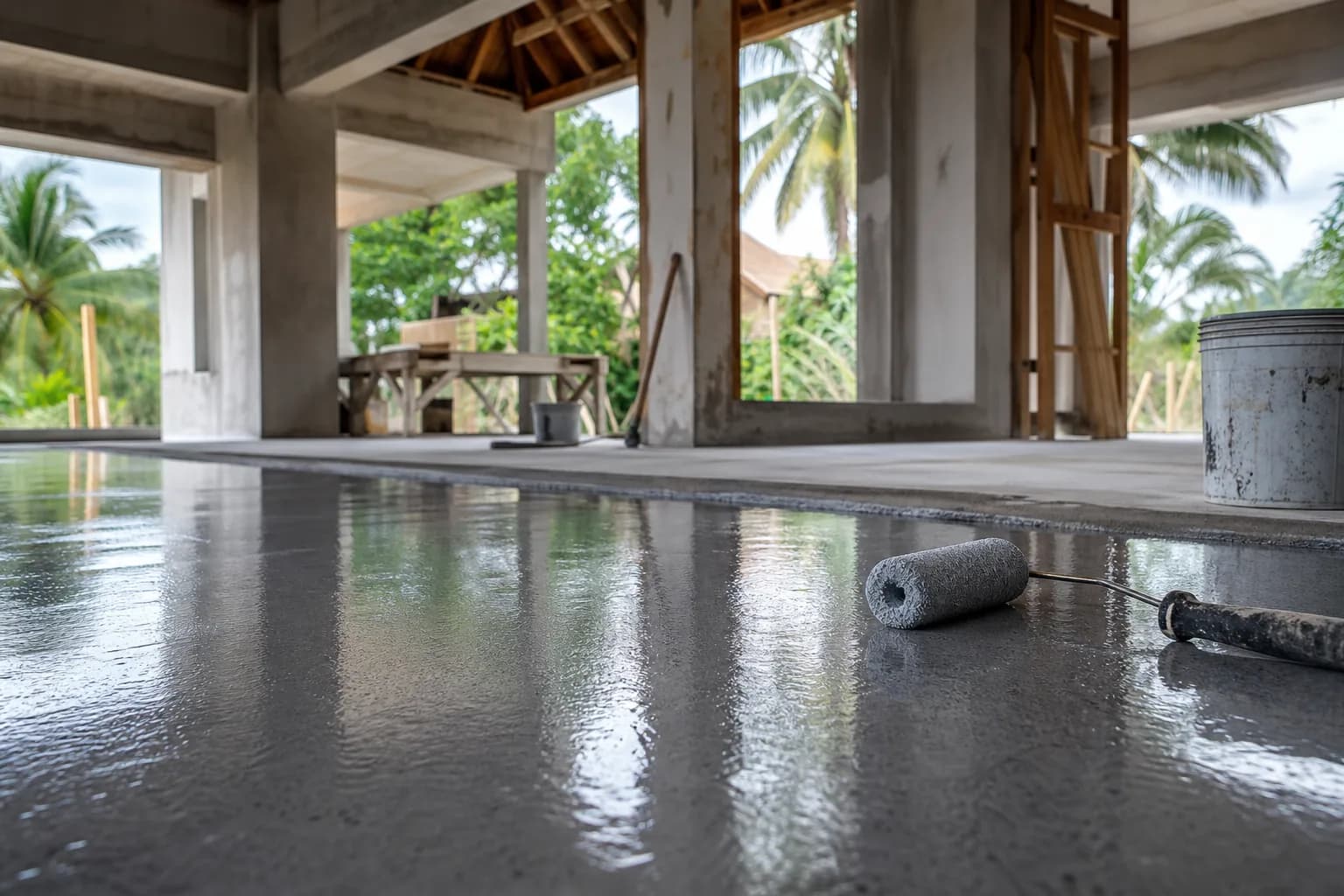
Epoxy Primer Moisture Barrier for Bali Interior Renovations
Explore epoxy primer and moisture barrier solutions for Bali interior renovations, delivering durable adhesion, moisture protection, and long-lasting finishes.
8 min read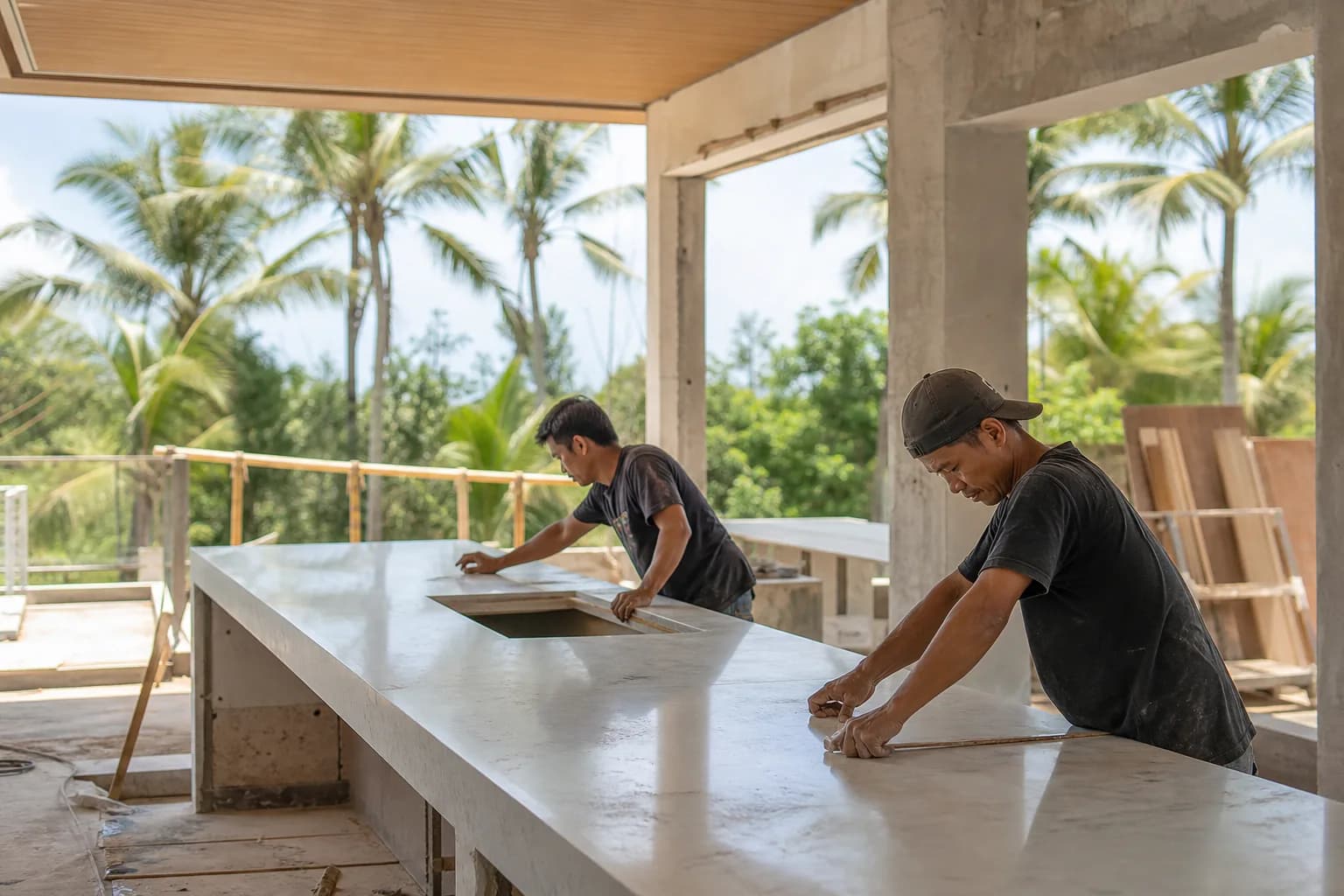
Engineered Stone Countertop Fixing Support Standards Bali
Explore Bali s engineered stone countertop fixing and support standards. Installation tips, durability guidance, and compliance for lasting quality surfaces.
10 min read